Last Updated: October 29, 2026
Quick Summary
Custom fall jackets with unique designs start with a clear idea of what you want your jacket to express, drawn from your daily life, existing wardrobe or personal style. Choosing the right fabric, such as wool blends, waxed cotton, corduroy or denim, and a few statement details like collars, pockets and closures shapes a one-of-a-kind result.
- Start with a short list of words that describe the jacket you want, such as warm, structured or playful.
- Choose fabric based on where you will wear the jacket most, since heavy wool suits cold mornings and lighter cotton fits mild afternoons.
- Pick one or two statement details, because mixing too many can make a jacket look busy.
- Bring the sweater or top you wear most often to your fitting so the jacket leaves room to layer.
- Share your ideas, fabric references and favourite jackets at your consultation before measurements begin.
Table of Contents
- Where Custom Fall Jacket Design Ideas Come From
- Choosing Fabrics for Fall Jackets
- Unique Fall Jacket Ideas Worth Considering
- Step-by-Step: How a Custom Fall Jacket Is Designed
- Fit and Layering: Getting the Silhouette Right
- When a Jacket Needs Custom Jacket Alterations
- Booking Your Custom Fall Jacket Consultation in Calgary
- Frequently Asked Questions
Where Custom Fall Jacket Design Ideas Come From
Custom fall jackets with unique designs start with a simple question: what do you want your jacket to say about you? The answer usually comes from a favourite hobby, a favourite colour, or a memory tied to a place.
Inspiration often comes from three places:
- Your daily life: The commute, the trail you hike, or the coffee shop you visit most weekends.
- Your existing wardrobe: A jacket you love, but wish had a different collar, pocket, or lining.
- Your personal style: Clean and minimal, bold and textured, or warm and classic.
Start with a small list of words that describe the jacket you want. Words like “warm,” “structured,” or “playful” give your seamstress a clear starting point. Bring photos, sketches, or even a torn scrap of fabric you like.
Choosing Fabrics for Fall Jackets
Fabric choice shapes how a fall jacket looks, feels, and performs in cool, changing weather. A good fabric keeps you warm without making you feel bulky. It also needs to drape well, hold its shape, and wear well over time.
Common fall fabric options include:
- Wool blends: Warm, soft, and good at holding shape. Ideal for structured jackets.
- Waxed cotton: Water-resistant and sturdy. Works well for casual, outdoorsy designs.
- Corduroy: Textured and classic. Adds visual interest and a bit of softness.
- Denim: Durable and versatile. Easy to pair with almost anything.
Think about where you will wear the jacket most. A heavy wool coat suits cold mornings, while a lighter cotton jacket fits mild afternoons. Ask your seamstress which fabrics suit your climate and daily routine.
Unique Fall Jacket Ideas Worth Considering
A custom jacket becomes truly yours when the details reflect your taste. Small choices in collars, closures, and finishing make a big difference. Many people are surprised by how much character a few thoughtful details can add. Elevating these individual elements transforms a simple garment into a cohesive custom clothing style that speaks volumes about your personal aesthetic.
Statement Details: Collars, Pockets and Closures
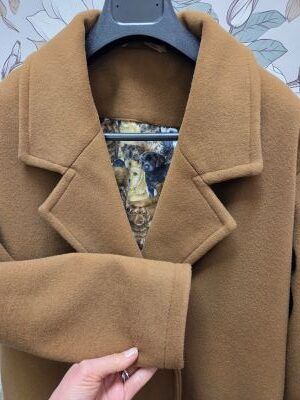
Collars, pockets, and closures do more than hold the jacket together. They set the overall look. A stand collar feels modern and sleek, while a shawl collar feels relaxed and cozy. Patch pockets look casual, and welt pockets look more polished.
Closures matter too. Toggles, exposed zippers, and button rows each change the mood of a jacket. You can see how a jacket built here brings these details together in a custom-made jacket example. Watch out: mixing too many statement details can make a jacket look busy, so pick one or two to feature.
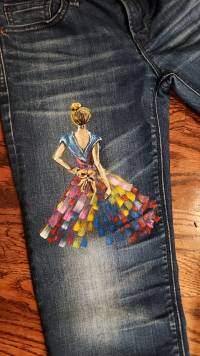
Personal Touches: Linings, Patches and Hand Finishing
Personal touches make a jacket feel one of a kind.
Step-by-Step: How a Custom Fall Jacket Is Designed
A custom jacket follows a clear process. Knowing the steps helps you plan your time and feel confident in each decision.
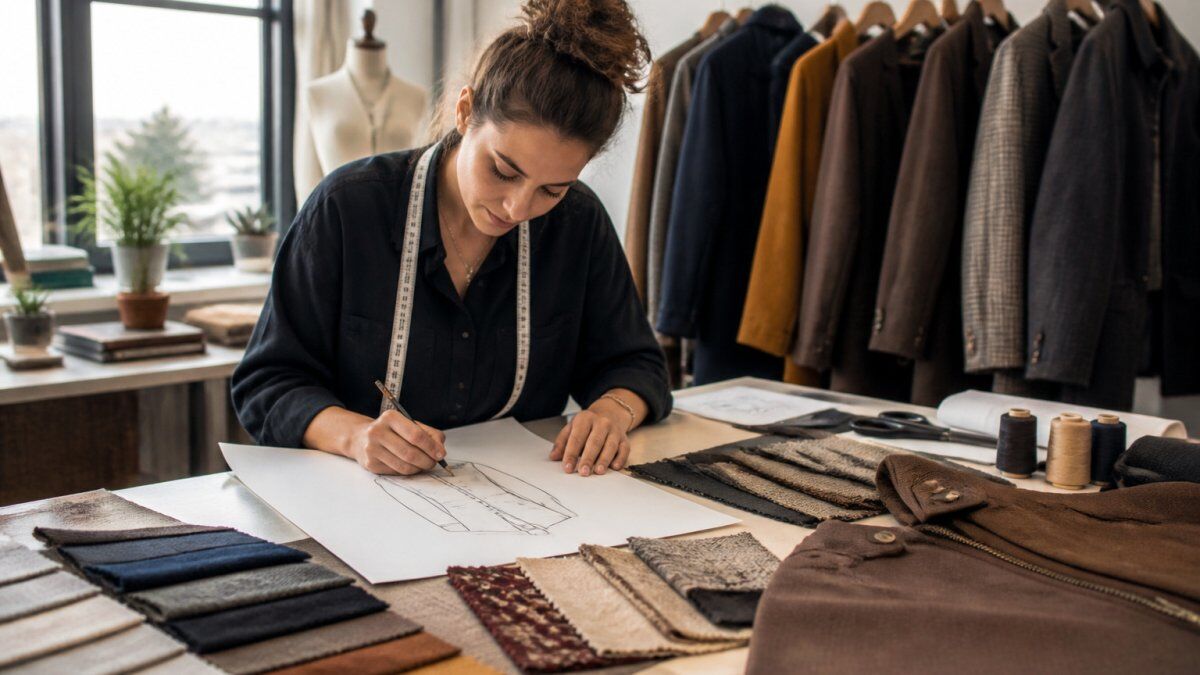
- Consultation: Share your ideas and how you plan to wear the jacket.
- Sketch and fabric selection: Review sketches and choose fabrics, colours, and details.
- Measurements: Careful measurements capture your shape so the jacket fits well.
- Pattern and mock-up: A test version, or muslin, checks the fit before the final fabric is cut.
- Sewing and finishing: The jacket is assembled, and details like buttons, linings, and edges are completed.
- Final fitting: You try on the finished jacket and make any last adjustments.
Fit and Layering: Getting the Silhouette Right
Fit determines whether a jacket looks polished or sloppy. For fall, you also need room to layer a sweater or shirt underneath. Think about your typical layers before the first fitting.
Pay attention to these areas:
- Shoulders: The seam should sit at the edge of your shoulder, not slide down your arm.
- Sleeve length: Sleeves should reach the wrist bone with room to move.
- Body length: Hip-length works for most people, while longer coats offer more warmth.
- Room to layer: Allow space for a thick sweater without pulling at the seams.
Bring the sweater or top you plan to wear most often to your fitting. This simple step prevents surprises later.
When a Jacket Needs Custom Jacket Alterations
Sometimes the best option is not a new jacket.
Common fixes include:
- Taking in the sides or back for a closer fit
- Shortening or lengthening sleeves
- Replacing a worn lining
- Repairing a torn seam or pocket
For tailored pieces that need a more precise fit, suit tailoring is another service we offer to refine structure and shape.
Booking Your Custom Fall Jacket Consultation in Calgary
Every custom jacket starts with a conversation. Find our South Calgary location and tailoring services before you visit. Bring your ideas, fabric references, and any jackets you already love. The more you share, the easier it is to shape a design that fits your life.
To get started, book your consultation with Calgary Seamstress and tell us what you have in mind.
Frequently Asked Questions
How do you design a custom fall jacket?
Start with a clear idea of how you will wear the jacket: the temperatures you face, whether you layer over sweaters, and the look you want. Bringing a few reference photos or sketches makes the first consultation much more productive and helps the design stay close to your vision.
What fabrics work well for a fall jacket in Calgary?
Calgary autumns swing between mild afternoons and cold, windy evenings, so fabrics that layer well are a strong choice. Ask your tailor about weight and breathability so the jacket suits the layers you plan to wear underneath.
What should you bring to a custom jacket consultation?
Bring any photos, sketches or magazine clippings of jackets you admire, along with a jacket you already own that fits the way you want. Note the sweaters and layers you usually wear in fall, since that affects sleeve length and body width. Knowing how you plan to use the jacket, such as commuting or weekend hiking, helps your tailor recommend the right construction.
How should a custom jacket fit for layering?
A jacket meant for layering should have enough room across the chest and shoulders to fit a fleece or knit underneath without pulling at the seams. Sleeves should be long enough to cover the wrist when you reach forward.