Table of Contents
- What Makes a Seamstress Reliable? Key Traits to Look For
- Tailoring vs Dry Cleaning Alterations: What’s the Difference?
- How Long Do Clothing Alterations Take?
- Wedding Dress Alterations Okotoks Cost: What to Expect
- Questions to Ask Before You Commit to a Seamstress
- DIY vs Professional Alterations: When to Sew It Yourself
- How to Prepare for Your Fitting Appointment
- Frequently Asked Questions
Last Updated: September 15, 2026
What Makes a Seamstress Reliable? Key Traits to Look For
Finding reliable alterations starts with knowing what separates a skilled professional from someone who simply owns a sewing machine. A reliable seamstress combines technical precision, clear communication, and a genuine willingness to listen to what you want.
At Calgary Seamstress, we’ve seen how much difference those traits make. A gown that fits flawlessly rarely happens by accident. It comes from careful measurement, honest feedback about what’s achievable, and a craftsperson who treats your garment like it matters.
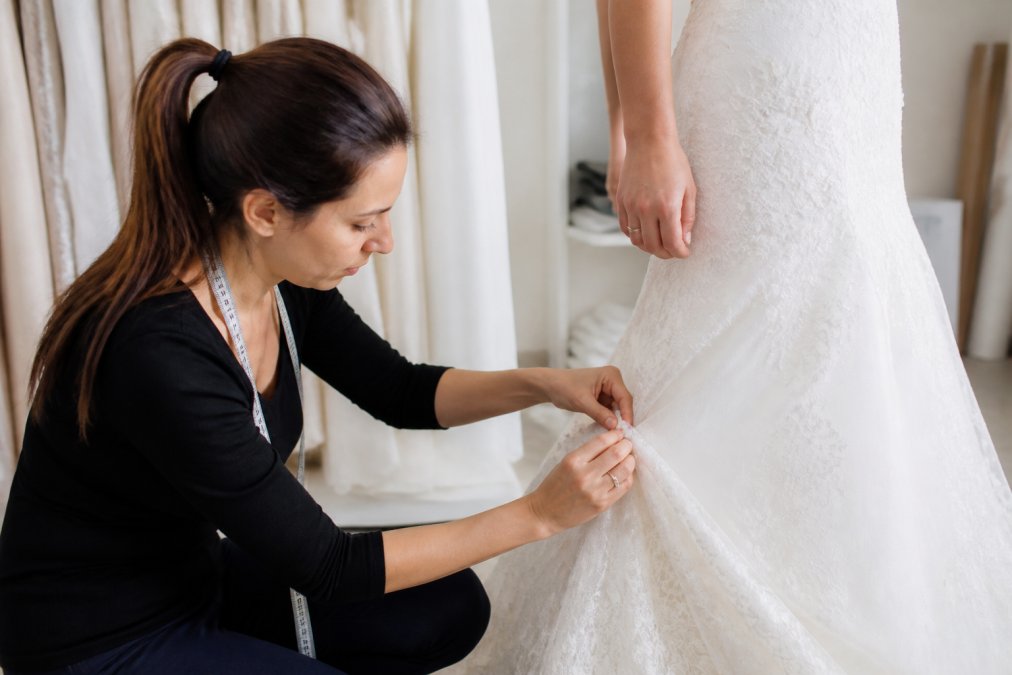
Here’s what to look for when you’re evaluating a sewing studio:
- Measurement accuracy: They measure twice and account for how fabric behaves once it’s cut.
- Transparent communication: They tell you what’s realistic before you commit, not after.
- Portfolio evidence: They can show photos or references of past work.
- Clear timelines: They give you a turnaround time and stick to it.
Specialization Matters: Bridal, Suits, or Everyday Repairs
Not every seamstress handles every job well. Bridal alterations demand an understanding of delicate fabrics, structured bodices, and the pressure of a fixed wedding date. Suit tailoring calls for a different eye, one trained on shoulder lines, lapels, and drape. Everyday repairs like hemming or zipper replacement reward speed and consistency.
Ask directly what a shop specializes in. A seamstress who mostly does formal wear may not be the fastest option for a pair of jeans, and a repair-focused tailor may not have the finesse for a wedding gown. Matching the job to the specialist saves you time and heartache.
Tailoring vs Dry Cleaning Alterations: What’s the Difference?
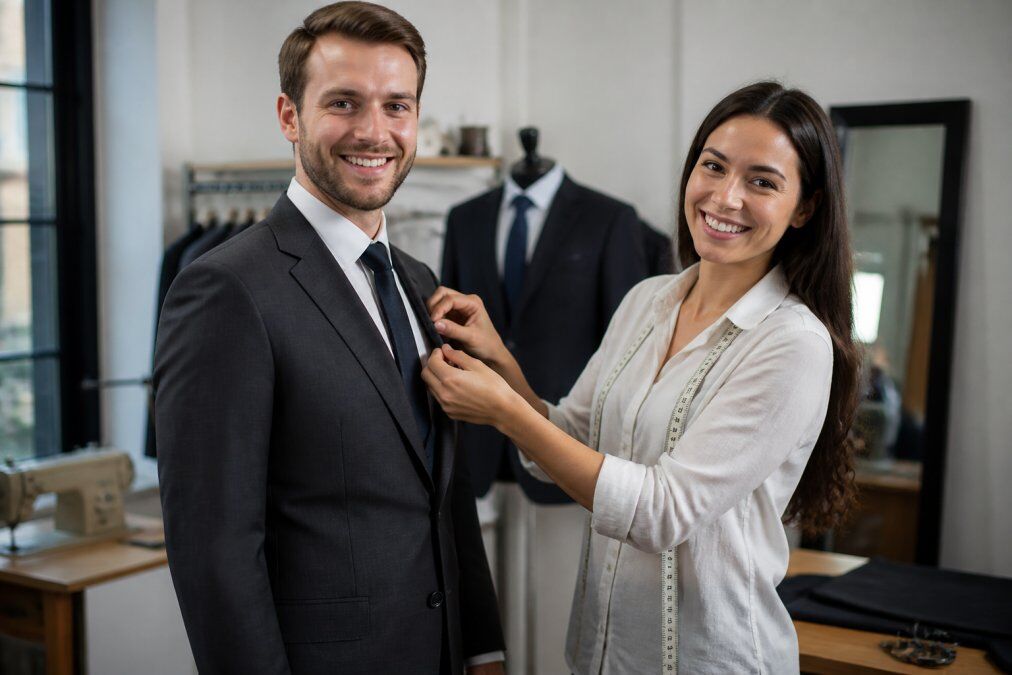
Tailoring and dry cleaning alterations are not the same service, and confusing them costs people money. Tailoring is the skilled reshaping of a garment to fit your body: taking in a waist, adjusting sleeves, or restructuring a jacket. Dry cleaning alterations usually refer to basic adjustments, often hemming or minor repairs, offered alongside cleaning.
The distinction matters because a dry cleaner’s alteration counter is built for volume, not fit. For a suit jacket where the seams and drape decide how you look, you want a tailor. For a quick hem on casual pants, either can work. Knowing which you need prevents you from paying tailoring prices for a simple fix, or expecting fine tailoring from a cleaning service.
How Long Do Clothing Alterations Take?
Turnaround time for clothing alterations typically ranges from a few days for simple jobs to several weeks for complex formal wear, depending on the shop’s workload and the garment (Trademarks guide). A basic hem might be ready in days. A wedding gown with multiple adjustments often needs more lead time and at least one follow-up fitting.
Book earlier than feels necessary. A common mistake is treating alterations as a last-minute task, then discovering the shop is fully booked before your event. If your date is fixed, tell the seamstress upfront.
Rush Service and Emergency Alterations
Rush and emergency alterations exist, but they come with trade-offs. Some shops offer one-hour or 24-hour service for urgent needs, which is invaluable when a zipper fails the day before a gala or a hem drops right before a ceremony.
Expect rush work to be limited in scope. A quick hem or zipper replacement is realistic on short notice; a full gown reconstruction is not. Be honest about your deadline and ask what’s genuinely achievable rather than assuming anything can be done overnight.
Wedding Dress Alterations Okotoks Cost: What to Expect
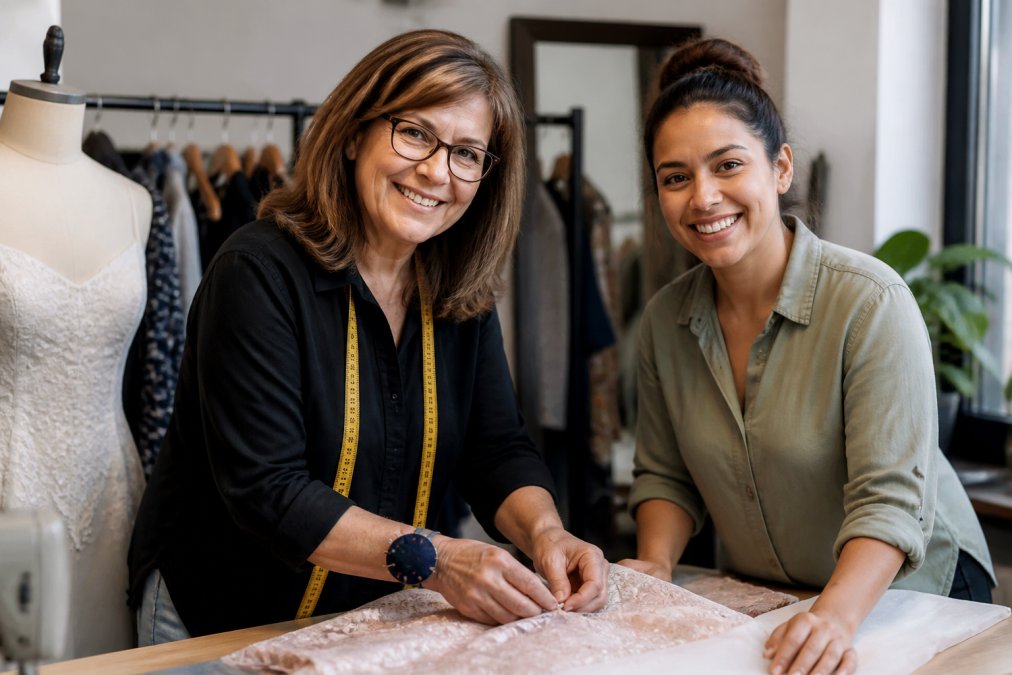
Wedding dress alterations in Okotoks are priced by the job, not by the hour, and the final cost depends on four main factors: the number of distinct adjustments, the fabric and construction of your gown, how many fittings are required, and the seamstress’s level of specialization. A simple hem on a crepe sheath dress sits at the lower end of the range, while restructuring a beaded ballgown bodice with a corset back sits at the upper end.
Most seamstresses will quote you after an in-person assessment. During that assessment, they are looking at:
- Hem complexity: A straight hem on a single-layer skirt is straightforward. A hem on a gown with horsehair braid, lace appliqué, or multiple layers takes significantly more time.
- Bodice work: Taking in side seams is simpler than rebuilding a structured bodice with boning and cups. A corset back conversion is one of the most labor-intensive alterations.
- Strap and sleeve adjustments: Shortening straps or resetting sleeves is usually a minor cost. Adding sleeves or changing a neckline is a redesign, not an alteration.
- Bustle: Adding a bustle is almost always a separate line item. A French bustle with multiple tie points costs more than a single-point American bustle.
- Fittings: Most gowns need two to three fittings (pubmed.ncbi.nlm.nih.gov). If your weight is fluctuating or the gown needs multiple rounds of refinement, expect the cost to reflect that time.
A reputable seamstress will give you a written estimate that breaks down each adjustment before any work begins. Ask specifically what happens if the scope changes mid-project, for example, if you decide to add a bustle after the first fitting. The best shops document the original quote and note any approved changes in writing.
For current pricing, contact the shop directly. Rates vary by seamstress, and the only accurate quote is one based on your specific gown and body. Be wary of any quote given over the phone without seeing the dress; a professional needs to see the construction and fabric to price the work honestly.
Bring your wedding shoes and the undergarments you plan to wear to your first fitting. Heel height and foundation garments change hem and bodice measurements, and adjusting for them later can add cost and time.
::: Precision in these initial preparations ensures that your final fit reflects the same level of bespoke garment quality expected from a master tailor.
Questions to Ask Before You Commit to a Seamstress
The right questions save you from a bad experience. Before you hand over a cherished garment, ask:
- Can I see examples of similar work you’ve done?
- What’s your realistic turnaround time for this job?
- How many fittings will this likely require?
- What’s your policy if I’m not happy with the fit?
- Do you have rush availability if my timeline shifts?
A confident, experienced seamstress welcomes these questions. Vague answers or pressure to skip the details are a warning sign worth heeding.
DIY vs Professional Alterations: When to Sew It Yourself
Some alterations are genuinely doable at home, and some are a fast route to a ruined garment. Sewing on a button, taking up a simple straight hem, or repairing a loose seam are reasonable DIY projects if you have basic skills and the right tools (Tender opportunities).
Leave it to a professional when the garment is structured, expensive, or emotionally important. Suit jackets, lined dresses, and anything with delicate fabric or intricate construction demand experience. The cost of fixing a botched DIY job usually exceeds what a professional would have charged in the first place.
How to Prepare for Your Fitting Appointment
Most alteration disappointments trace back to what happened, or didn’t happen, before the first pin went in. A proper fitting is a collaboration, and the more prepared you are, the better your garment will fit. Use this checklist to make every appointment count.
What to bring:
- The shoes you’ll wear with the garment. Heel height changes hem length and posture.
What to wear to the fitting:
What to do during the fitting:
What to leave at home:
A well-prepared fitting is faster, more accurate, and less stressful. Bring the right items, wear the right undergarments, and speak up during the appointment. Your seamstress can only work with what they see and what you tell them.
Frequently Asked Questions
How do I know if a tailor in Okotoks is reliable?
Check for a physical business address, recent customer reviews, and a portfolio of completed work. A reliable tailor will offer a fit consultation before quoting, explain the alteration process clearly, and provide references or photos of past projects. Ask about their experience with your specific garment type, whether it’s a wedding gown or a business suit. Don’t rely on price alone; quality craftsmanship and clear communication matter more than the lowest quote.
What should I look for when choosing a wedding dress seamstress in Okotoks?
Look for a seamstress who specializes in bridal alterations, not just general repairs. Ask to see photos of previous wedding dress work, confirm they have experience with your gown’s fabric and construction, and discuss the timeline well in advance. A good bridal seamstress will schedule multiple fittings, listen to your concerns about fit and comfort, and explain how each adjustment affects the final look. Book at least 6-8 weeks before your wedding date.
How much do clothing alterations typically cost in the Foothills region?
Alteration costs vary widely based on garment type, complexity, and fabric. Simple hemming costs less than restructuring a jacket or resizing a beaded wedding gown. For an accurate quote, bring your garment to a seamstress for an in-person assessment. Most professionals provide a written estimate after pinning and discussing the work needed. Pricing depends on the specific changes, so avoid committing to any tailor who quotes a price without seeing the garment first.
How far in advance should I book alterations for a special event?
For wedding dresses, book 6-8 weeks before the event to allow time for multiple fittings and any complex adjustments. Suits and formal wear need 3-4 weeks. Everyday repairs like hemming or zipper replacement can often be done in 1-2 weeks, but rush service may be available for an additional fee. Always confirm the turnaround time when you book, and schedule your first fitting as soon as you have your garment and event date confirmed.
Finding reliable alterations in Okotoks comes down to doing a little homework before you commit. Ask the right questions, match the specialist to the job, and give yourself a realistic timeline so nothing is rushed. Calgary Seamstress offers expert wedding dress alterations, suit tailoring, and everyday repairs, backed by meticulous craftsmanship and rush service when your schedule demands it. Make an appointment online and let our team give your garment the flawless fit it deserves.