Table of Contents
- Understanding the Custom Garment Design Process
- The Custom Garment Fitting Process
- How Long Does Custom Tailoring Take
- Cost of Custom Clothing in Canada
- From Concept to Completion: What to Expect
- Common Mistakes to Avoid in Custom Design
- Conclusion
Last Updated: August 26, 2026
Understanding the Custom Garment Design Process
The custom garment design process is the journey from your initial vision to a finished piece that fits your body perfectly and reflects your personal style. Unlike buying off-the-rack clothing, custom garment design involves collaboration between you and a skilled tailor who translates your ideas into reality. At Calgary Seamstress, we’ve guided many clients through this process, and the experience transforms how people think about their wardrobes.
What makes custom garment design different is the attention to detail. A professional tailor doesn’t just sew fabric together; they understand how different cuts, fabrics, and construction methods affect how a garment drapes on your unique body shape. This process typically involves multiple stages: initial consultation, precise measurements, pattern creation, fitting appointments, and final adjustments. The entire custom garment design process requires patience and clear communication, but the results speak for themselves.
Many people assume custom tailoring is only for wedding dresses or high-end suits. That’s not true. Whether you need a custom golf dress, hand-painted jeans, or a leather-like parka, the same methodical approach applies. The process ensures every detail aligns with your vision and your body’s proportions. According to the Canadian Fashion Institute’s guide to bespoke tailoring, the custom garment design process has remained largely unchanged for decades because the fundamentals work.
The Custom Garment Fitting Process
The custom garment fitting process is where precision meets creativity. This phase separates professional tailoring from amateur alterations. It involves taking exact measurements, understanding your preferences, and creating patterns that will result in a garment fitting flawlessly. The process typically includes three main stages: initial consultation, measurement and pattern creation, and fitting appointments with adjustments.
Initial Consultation and Design Discussion
Your first meeting sets the tone for the entire project. During this consultation, you’ll discuss your vision, preferences, lifestyle, and budget. The tailor asks detailed questions: How do you plan to wear this garment? What’s your comfort level with different necklines or sleeve styles? Do you prefer structured or relaxed fits? These conversations prevent misunderstandings later.
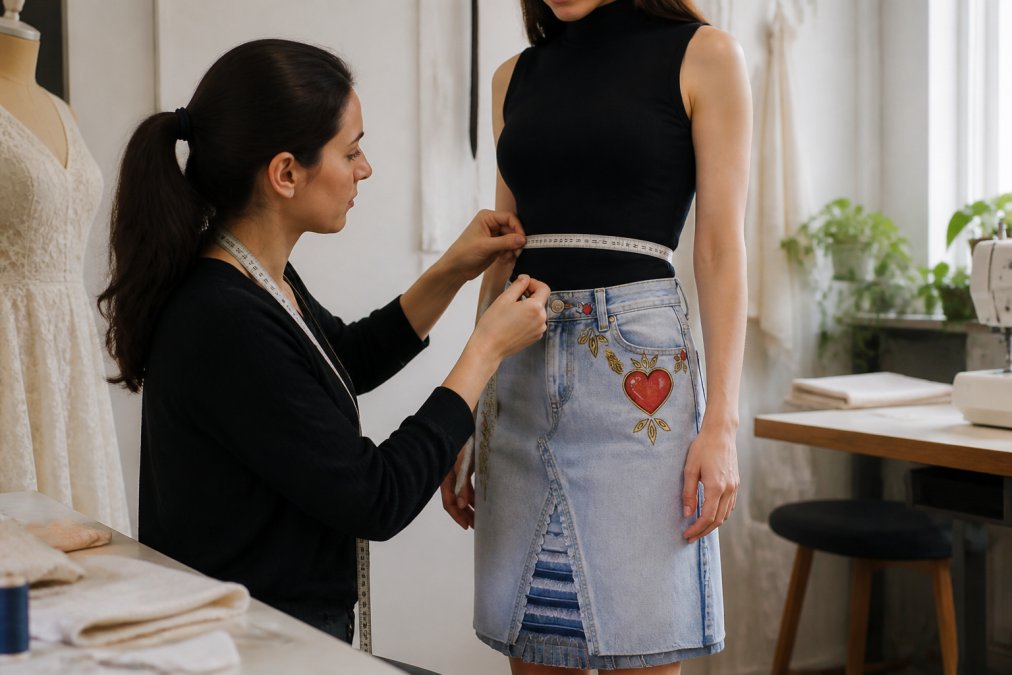
Bring inspiration to your consultation. Pinterest boards, magazine clippings, or photos of garments you love help communicate your aesthetic. Many clients find it helpful to show examples of colors, fabrics, and silhouettes that appeal to them. The tailor uses these references to understand your style direction and suggest modifications that will work better for your body type.
Fabric selection happens during this stage. A skilled tailor explains how different materials behave. Heavier fabrics create structure, while lighter ones drape softly. Natural fibers breathe better than synthetics. These practical details influence both how the garment looks and how comfortable you’ll be wearing it. For wedding dress alterations or formal wear, fabric choice significantly impacts the overall aesthetic.
Taking Measurements and Creating Patterns
Accurate measurements are non-negotiable. A professional tailor takes numerous different measurements, depending on the garment type. These include bust, waist, hip, shoulder width, sleeve length, inseam, and numerous other reference points. Each measurement is recorded precisely because even a quarter-inch difference can affect how a garment fits (the American Academy of Dermatology).
Pattern creation follows. The tailor uses your measurements to draft a custom pattern specifically for your body. This isn’t a generic size-medium pattern adjusted here and there. It’s a unique blueprint created from scratch based on your proportions. For complex pieces like fitted jackets or structured dresses, the tailor may create multiple pattern pieces to ensure proper drape and structure.
Many tailors create a muslin test garment first. Muslin is an inexpensive cotton fabric used to test the pattern before cutting into your final fabric. You try on the muslin version, and the tailor makes adjustments. This approach prevents expensive mistakes. If the armhole is too tight or the waist sits incorrectly, these issues are caught before your actual fabric is cut.
First Fitting and Adjustments
Your first fitting is the first real test of how the garment works on your body. At this appointment, you’ll wear the garment and the tailor will assess the fit. They check that seams align properly, that the garment hangs correctly, and that movement feels natural. This is where the custom garment fitting process really proves its value.
The tailor marks adjustments directly on the garment. A seam might need to move slightly forward or back. The armhole might need deepening. The length might require tweaking. These aren’t failures; they’re refinements. Even with precise measurements, how fabric behaves on your body sometimes reveals small adjustments needed.
Most custom garments require a second fitting, sometimes a third. Each fitting brings the garment closer to perfection. By the final fitting, the garment should feel like it was made for you, because it was. This iterative process is what separates custom tailoring from quick alterations.
How Long Does Custom Tailoring Take
The timeline for custom garment design depends on complexity and your urgency. A simple alteration might take two weeks, while a fully custom garment from scratch typically requires six to eight weeks (the American Academy of Dermatology). Wedding dress alterations often fall somewhere in between, usually taking four to six weeks from initial consultation to final fitting.
The process can’t be rushed without sacrificing quality. Each stage requires time: consultation and design discussion take one to two weeks, pattern creation and fabric cutting take another week or two, construction takes several weeks, and fittings with adjustments add additional time. Calgary Seamstress offers rush services for clients with tight timelines, but these expedited options require clear communication about deadlines and may affect availability.
Seasonal demand affects timelines too. Wedding season (spring and early summer) creates longer wait times. If your event is during peak season, booking early is essential. Conversely, booking during slower months means faster turnaround. Planning ahead reduces stress and ensures your custom garment is ready when you need it.
Cost of Custom Clothing in Canada
Custom garment design costs vary widely depending on complexity, fabric choice, and the tailor’s experience level. A simple custom alteration might cost between $50 and $150, while a fully custom garment from concept to completion can range from $300 to $2,000 or more, depending on the piece and materials.
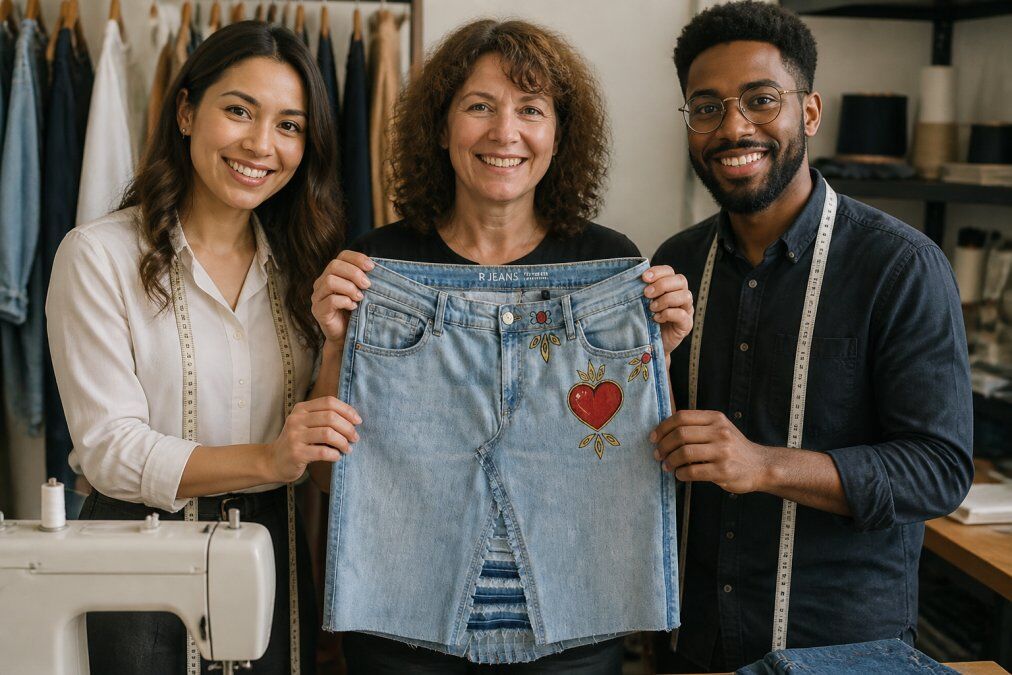
Wedding dress alterations typically fall in the $200 to $800 range, depending on how much work is needed. A hand-painted custom dress with quality materials, like the hand-painted dress from recycled jeans with cotton silk available through Calgary Seamstress, starts at $175. A custom leather-like parka runs $500. A custom golf dress is priced at $150.
Fabric costs are a major component of the total price. High-quality materials cost more than basic options, and specialty fabrics command premium prices. Labor costs reflect the tailor’s skill and experience. The difference in quality and attention to detail is substantial.
Many tailors offer package pricing for common services. Wedding dress alterations might be quoted as a flat rate rather than hourly. Custom suit tailoring might include multiple fittings in one price. Ask about these options when discussing your project. Understanding what’s included helps you budget accurately.
From Concept to Completion: What to Expect
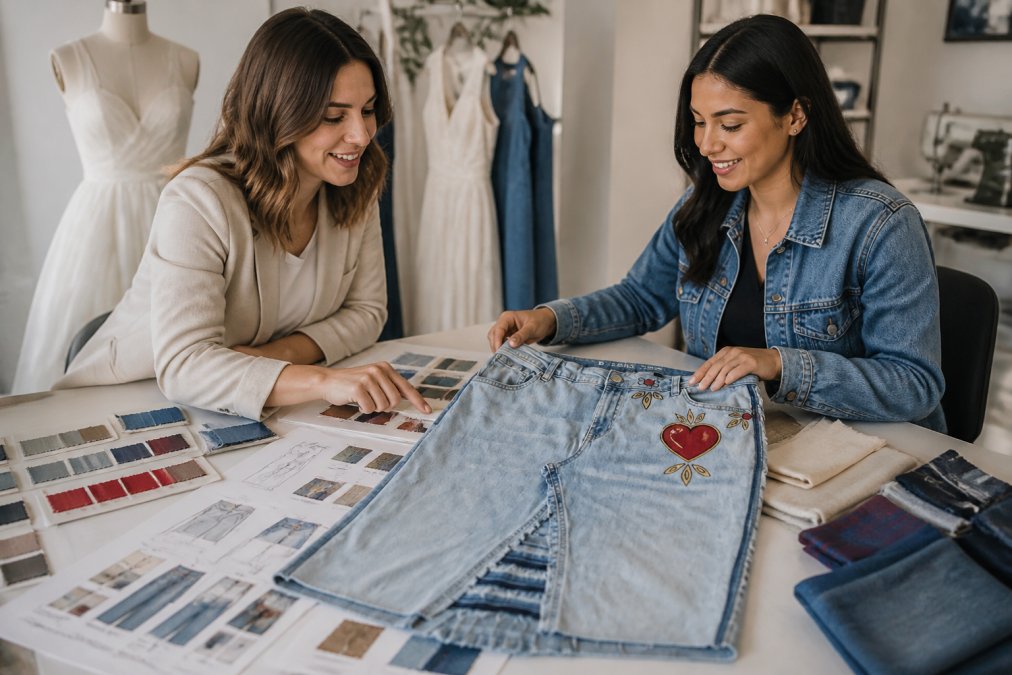
The journey from your initial idea to wearing your custom garment follows a predictable path, though timelines vary. Understanding this progression helps you manage expectations and stay engaged throughout the process.
Week One to Two: Consultation and Planning
Your first appointment establishes the foundation. You discuss your vision, show inspiration, and the tailor takes initial measurements. Fabric selection happens now. You’ll examine samples and discuss how different materials will achieve your desired look. The tailor explains construction options and suggests modifications based on your body type and lifestyle.
Week Three to Four: Pattern Development
Behind the scenes, your custom pattern is created. If a muslin test garment is planned, it’s constructed now. You’ll be contacted to schedule a fitting for the muslin version. This stage is where precision happens. Every measurement translates into pattern pieces specifically for your body.
Week Five to Six: Fabric Cutting and Construction
Once the pattern is finalized, your actual fabric is cut. Construction begins. For complex garments, this stage involves multiple techniques and careful attention to detail. Seams are sewn, darts are created, and structure is built.
Week Seven to Eight: First Fitting
You try on your garment for the first time. The tailor assesses the fit and marks adjustments. Seeing your vision come to life is powerful.
Week Nine to Ten: Adjustments and Final Details
Your marked adjustments are made. Hems are finished, buttonholes are created, and final details are added. A second fitting might be scheduled to ensure everything is perfect.
Week Eleven: Final Delivery
Your custom garment is ready. You pick it up and wear something that fits you perfectly, constructed specifically for your body and your style.
This timeline assumes a straightforward project with no complications. Complex alterations or highly detailed custom designs might extend the timeline. Rush services compress these timelines but require premium pricing and advance booking.
Common Mistakes to Avoid in Custom Design
Understanding what goes wrong helps you avoid pitfalls. Many clients make preventable mistakes that delay projects or result in compromises.
Vague Communication About Vision
The biggest mistake is assuming the tailor will automatically understand your vision. If you say "I want a nice dress," that’s too vague. Bring specific references. Show colors, necklines, sleeve styles, and silhouettes you love. Use words precisely: "fitted waist with an A-line skirt" is clearer than "flattering dress." The more specific you are, the better the tailor can deliver what you’re imagining.
Choosing Fabric Based on Appearance Alone
Beautiful fabric doesn’t always behave well in construction. A fabric that looks stunning on a bolt might drape poorly or wrinkle excessively. Work with your tailor to choose materials that look good and perform well for your specific garment. A professional can recommend alternatives that achieve the aesthetic you want while being practical to construct and wear.
Rushing the fitting process is a common mistake that leads to poor results. Each fitting reveals something new about how the garment works on your body. Skipping fittings or trying to compress them into one appointment often results in a garment that doesn’t fit as well as it should.
Unrealistic Timelines
Expecting a custom garment in two weeks when the tailor typically needs six weeks creates unnecessary stress. Quality work takes time. If your event is soon, discuss rush options upfront, but understand that expedited service affects both cost and availability.
Ignoring Body Changes
If you’re losing or gaining weight, or if significant time passes between consultation and fitting, communicate this to your tailor. They may need to adjust the pattern. Trying to fit into a garment designed for your previous body size defeats the purpose of custom tailoring.
Not Discussing Budget Upfront
Surprises about cost damage the relationship between tailor and client. Discuss your budget early. A professional tailor can suggest modifications or material choices that fit your financial parameters without compromising quality.
Expecting Perfection on the First Try
Even with precise measurements, some adjustments are needed after the first fitting. This is normal and expected. Multiple fittings and adjustments are part of the process, not a sign of failure.
The custom garment design process rewards patience and clear communication. When you work with a skilled tailor who listens carefully and brings expertise to every decision, the result is a garment that fits your body perfectly and makes you feel confident. Calgary Seamstress specializes in transforming your vision into reality, whether you’re seeking wedding dress alterations, suit tailoring, or a completely custom creation. Our team understands that every client is unique, and your custom garment should reflect that individuality. Make an appointment online to begin your custom garment journey and experience the difference that professional craftsmanship makes.
Frequently Asked Questions
Q: What should I bring to my first custom design consultation?
A: Bring inspiration images, fabric samples you like, and any sketches or descriptions of your vision. Wear fitted clothing so accurate measurements can be taken. If you have a specific event or occasion in mind, mention the date so the designer can plan the timeline accordingly. Photos of styles you've worn before also help communicate your preferences clearly.
Q: How long does the custom garment design process take in Canada?
A: The timeline varies based on complexity and your schedule. A simple custom garment typically takes 4-8 weeks from consultation to completion. More intricate designs with multiple fittings may take 8-12 weeks. Rush services are available for urgent timelines. The custom garment fitting process itself usually involves 2-3 fittings spaced 1-2 weeks apart to ensure a perfect fit.
Q: How many fittings are required for a custom-made garment?
A: Most custom garments require 2-3 fittings. The first fitting tests the initial construction and pattern accuracy. The second fitting allows for adjustments to fit and comfort. A third fitting may be needed for fine-tuning details like hem length, seam placement, or sleeve length. Each fitting is essential to achieving the precise fit that makes custom garments worth the investment.
Q: What is the difference between bespoke and made-to-measure clothing?
A: Bespoke clothing is fully custom-designed from scratch, created entirely for one person with original patterns and unlimited design options. Made-to-measure uses a standard pattern as a base, then adjusted to your specific measurements and minor design preferences. Bespoke offers greater uniqueness and personalization, while made-to-measure is typically faster and more affordable. Both deliver a superior fit compared to off-the-rack garments.
This article was written using GrandRanker