Last Updated: November 1, 2026
Quick Summary
Choosing the right fabric for repairs starts with the garment’s fiber, not its color, because the fiber decides how a patch behaves and how long a mend lasts. Then match weight, weave, and stretch, and confirm the match with a simple pull test before cutting.
- Check the care label for fiber names and percentages before cutting any patch.
- No label? Do a burn test on a hidden seam allowance, never the visible garment.
- Pin patch and garment scraps together and pull gently to compare stretch.
- Wool jackets need matching wool with the same nap and weight, fused lightly then hand-stitched.
- Patch lining with a similar smooth fabric and stitch it loosely so it does not pull the shell.
Table of Contents
- Start With the Garment’s Fiber, Not the Color
- How to Match Fabric for Repairs: Weight, Weave, and Stretch
- Jacket Fabric Repair: What Works on Wool, Denim, and Lining
- Sweater Repair Fabric: Why Knits Need a Different Approach
- Fabric Patches for Clothing: Inside or Outside the Garment
- Five Mistakes That Ruin a Good Repair
- When to Bring the Garment to a Tailor Instead
- Book a Repair Assessment at Calgary Seamstress
- Frequently Asked Questions
Start With the Garment’s Fiber, Not the Color
Choosing the right fabric for repairs starts with one question: what is the garment actually made of? The fiber decides how a patch behaves, how a seam holds, and whether a mend will last a season or a decade. Repairs often fail when the fiber is ignored.
Color is the last thing to match. Fiber comes first.
Fiber is the raw material a fabric is woven or knitted from, such as cotton, wool, or polyester. Two fabrics can look identical on the shelf and behave completely differently once sewn.
Here is how the common fibers behave in a repair:
- Cotton: Takes dye well, holds a patch securely, and tolerates heat.
- Wool: Stretches and shrinks, so it needs a patch with similar give.
- Denim: Heavy and dense, best mended with denim of the same weight.
- Polyester and nylon: Slippery under the needle and prone to pilling at cut edges.
- Lining fabrics: Thin and smooth, so they tear again if patched with anything heavier.
Canadian Conservation Institute guidance on caring for textiles notes that fiber content drives how a textile responds to stitching, cleaning, and wear. The same logic applies to a small mend on a jacket or a pair of jeans.
Check the Care Label Before You Cut Anything
The care label is your first stop. It tells you the fiber content and often the percentage blend. A 60/40 wool-polyester blend needs a different patch than pure wool.
Look for these details:
- Fiber names and percentages
- Washing and drying instructions
- Any warning about heat or shrinkage
No label? Do a burn test on a hidden seam allowance. Wool smells like burnt hair and leaves ash. Cotton smells like burnt paper. Synthetics melt into a hard bead. Test a tiny piece, never the visible garment.
How to Match Fabric for Repairs: Weight, Weave, and Stretch
Matching fabric for repairs means comparing three things: weight, weave, and stretch. Get all three close and the patch disappears into the garment. Miss one and the repair shows.
Weight is how heavy the fabric feels. A heavy patch on light fabric drags the seam down. A light patch on heavy fabric wears through fast.
Weave is the pattern of threads. A tight twill needs a tight twill. A loose knit needs a loose knit.
Stretch is how much the fabric moves. This is the one most people skip.

Matching these physical properties ensures that the patch integrates seamlessly with the original garment, providing a stable foundation when you repair holes by hand.
The Stretch Test That Saves a Seam
Pin a scrap of your patch fabric to a scrap of the garment fabric. Pull both gently in opposite directions. Watch how they move together.
- If the patch fights the garment, the seam will pucker.
- If the patch stretches more, the repair will sag.
- If they move as one, you have a match.
Do this test before you cut the final patch. It takes ten seconds and saves hours of rework.
Jacket Fabric Repair: What Works on Wool, Denim, and Lining
Jacket fabric repair depends on which part of the jacket failed. Wool, denim, and lining each need their own method.
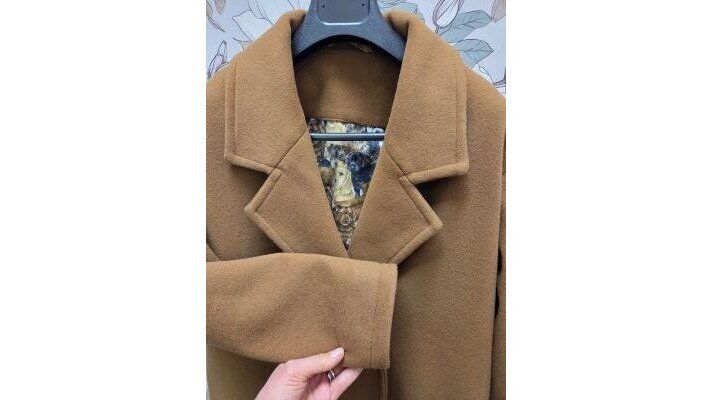
Wool jackets need a patch from matching wool with the same nap and weight. If by accident you have a small (or large) rip in your jacket, we can fix it, see Fall-Or-Winter-Jacket-Is-Ripped. Fuse it lightly, then hand-stitch so the repair flexes with the coat.
Denim jackets are forgiving. A denim patch of the same weight blends in, especially if you match the twill direction. Reinforce the edges with a tight zigzag.
Lining is the weak point. It is thin and takes all the friction. Patch lining with a similar smooth fabric, and stitch it loosely so it does not pull on the outer shell.
Sweater Repair Fabric: Why Knits Need a Different Approach
Sweater repair fabric has to stretch, or the mend will crack the first time you pull the sweater on. Knits are built from loops, not woven threads, so a stiff patch fights the whole garment.
Use these rules for knits:
- Match the yarn weight and fiber first.
- Choose a patch with the same stretch as the knit.
- Sew with a flexible stitch, never a tight straight line.
- Reinforce the edges lightly so they do not curl.
A common mistake is patching a sweater with woven cotton. It looks fine flat and fails the moment the sleeve bends. For fine knits, a felted wool patch in a matching color often works better than a woven scrap.
Fabric Patches for Clothing: Inside or Outside the Garment
Fabric patches for clothing can go inside or outside, and the choice changes how the repair looks and how long it lasts.
Inside patches hide the mend. They work best on thin fabric, on visible areas, and on garments you want to look untouched. The patch sits behind the hole and the stitching shows only as a fine line.
Outside patches show by design. When your purchased ripped jeans don’t look good anymore, come see us and we will fix them, so they look better than the original: Your Jeans need a Patch That is ripped. They suit workwear, denim, and anything where a visible mend reads as character. You can have a small hole fixed with artistic flare, or it’s a detail that we can add because it looks good, see Artistic-Touch-From-Us-To-Your-Jeans.
| Patch Placement | Best For | Trade-Off |
|---|---|---|
| Inside | Thin fabric, visible areas, subtle repairs | Less abrasion resistance |
| Outside | Denim, workwear, decorative mends | Visible by design |
| Both | High-stress holes | More time to sew |
Five Mistakes That Ruin a Good Repair
Most failed repairs share the same handful of mistakes. Watch for these before you thread a needle.
- Skipping the fiber check. Patching wool with cotton guarantees a pucker.
- Matching color but not weight. A heavy patch on light fabric pulls the seam.
- Ignoring stretch. Stiff patches on knits crack at the first bend.
- Cutting the patch too small. It needs overlap on every side to hold.
- Sewing too tight. Tight stitches tear the surrounding fabric over time.
These five cause most of the rework we see. For a deeper list, read our guide to the common clothing repair mistakes that ruin garments, and learn when to stop and bring the piece in.
When to Bring the Garment to a Tailor Instead
Some repairs are worth doing at home. Others are not. Bring the garment in when:
- The rip sits on a seam, a cuff, or a stress point.
- The fabric is thin, delicate, or hard to match.
- The garment is a suit, a coat, or something you love.
- A previous repair already failed in the same spot.
Calgary winters are hard on jackets and sweaters, and repeated wear can open seams that a quick fix will not hold.
If you are searching for clothing repair near me in Calgary, a short assessment saves guesswork.
Book a Repair Assessment at Calgary Seamstress
Bring your garment to Calgary Seamstress at Southcentre Mall for a consultation. Everything you need to know about our seamstress and tailoring services in Calgary is in our Frequently Asked Questions | Calgary Seamstress. We offer alterations and tailoring services, including pants hemming and zipper work. If the fabric calls for more than a patch, our Jeans / Pants Alterations and Suit Tailoring services can take the garment the rest of the way.
We offer one-hour and 24-hour rush service when you need it fast. As a local Calgary small business, we support the community with professional garment care.
Frequently Asked Questions
How do I choose fabric for a clothing repair?
Start with the garment’s care label to identify the fiber, then match weight, weave, and stretch. A lightweight cotton patch will pull away from a heavy wool jacket, and a stiff woven patch will pucker on a knit. Bring the garment or a snipped swatch to a tailor if you are unsure, since matching fabric for repairs depends on how the piece moves and wears, not just how it looks on the bolt.
Can a tailor match fabric for a jacket or sweater repair?
Fabric matching depends on the garment and the repair, so it is best to ask about your specific piece when you bring it in.
Should repair fabric match the garment’s fiber content?
Match fiber where you can, especially on wool, silk, and stretch knits. A cotton patch on a wool jacket shrinks differently in the wash and can pucker at the edges. If an exact match is not available, choose a fabric with similar weight and stretch behavior, and keep the patch small so any difference in drape stays hidden.
What should I bring to a tailor for a clothing repair?
Bring the garment itself, not just a photo. Note how you wear it and whether it is washed or dry-clean only, since that affects which fabric patches for clothing will hold up. If you have a spare button, swatch, or length of original fabric, bring it too. Calgary Seamstress offers one-hour and 24-hour rush service for urgent fixes, so mention your timeline when you book.
Your fall jackets and sweaters take a beating, and a bad repair makes it worse. Calgary Seamstress matches fiber, weight, and stretch so the mend holds through the season. With expert jacket and sweater repair, rush service, and a location at Southcentre Mall, we make it easy to get your favorites back in rotation. Get started with Calgary Seamstress and book a repair assessment today.