Table of Contents
- Getting Started with Custom Garment Design for Beginners
- Understanding Fabrics, Silhouettes, and Garment Construction
- Custom Apparel Design Software for Beginners
- Tech Pack Creation and Pattern Making Essentials
Last Updated: August 4, 2026
Getting Started with Custom Garment Design for Beginners
Custom garment design for beginners doesn’t require expensive equipment or years of training. At Calgary Seamstress, we help individuals transform design ideas into wearable pieces by breaking down the process into manageable steps. Successful custom apparel design requires understanding three core areas: how fabrics behave, how garments are constructed, and how to communicate your vision to a manufacturer.
Most people skip planning, sketch something, buy fabric, and hope it works. This guide walks you through each stage of custom garment design, from initial concept to final production.
Start with a single simple project, a basic tee, simple skirt, or straightforward shirt. Success with one piece builds the confidence and knowledge you need for more complex designs.
Understanding Fabrics, Silhouettes, and Garment Construction
Fabric selection determines how your garment will drape, move, breathe, and age. A design that looks stunning in cotton jersey might collapse in silk charmeuse, while structured wool suiting will hold a silhouette that linen can’t maintain.
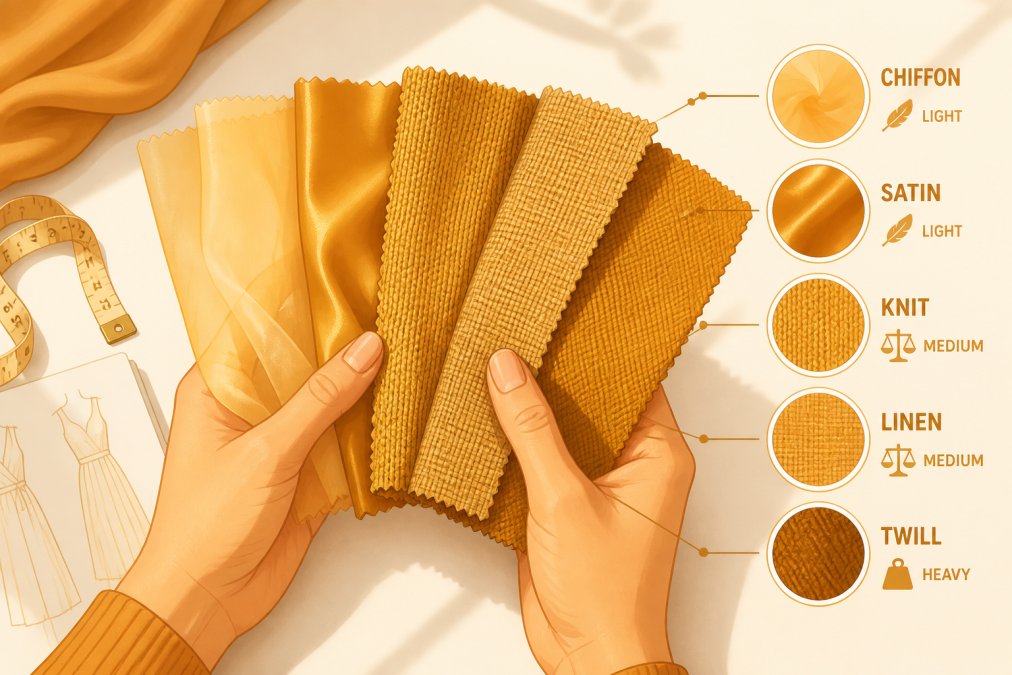
Beginners often choose fabric first based on color or price, then force a design onto it. Reverse that process. Once you know your desired silhouette, fitted dress, relaxed shirt, or tailored trousers, choose fabrics that support that shape. A fabric’s weight, drape, and structure determine whether your design will succeed.
Common fabric categories include:
- Woven fabrics (cotton, linen, wool, silk), hold structure, ideal for tailored pieces
- Knit fabrics (jersey, rib, fleece), stretch and conform to the body, better for fitted casual wear
- Technical fabrics (performance blends, moisture-wicking materials), designed for specific function
Silhouette describes the overall outline of a garment when worn, fitted, relaxed, oversized, or structured. Your fabric choice either supports or undermines that silhouette. An oversized silhouette in heavy wool works beautifully; in thin jersey it collapses into shapelessness.
Garment construction refers to how pieces are sewn together, where seams sit, and what techniques hold the piece together. Understanding basic construction methods, how armholes are cut, where side seams should sit, how hems are finished, is essential before handing your design to a manufacturer. According to the Fashion Institute of Technology’s garment construction standards, proper seam placement and allowances separate professional results from amateur work.
Your fabric, silhouette, and construction method must work together. Choose fabric that supports your intended silhouette, then ensure your construction approach matches both.
Custom Apparel Design Software for Beginners
Digital design tools let you visualize your ideas before committing to fabric and production. You don’t need professional-grade software to start; many beginners create impressive designs using accessible, affordable tools.
Beginner-friendly design software falls into two categories: sketch-and-render tools (where you draw and color your ideas) and pattern-making software (where you draft actual garment pieces). Most beginners start with sketch tools because they’re more intuitive.
Popular options include:
- Canva, free or low-cost, simple vector tools, great for mood boards and design concepts
- Adobe Illustrator, industry standard but steep learning curve; subscription required
- Procreate (iPad), intuitive digital drawing for fashion illustration
- Clo 3D, specialized apparel design software; shows how garments drape on 3D bodies
- Marvelous Designer, professional-grade 3D garment simulation
For beginners, start with Canva or Procreate. Both are affordable, have extensive tutorials, and don’t require complex technical workflows before creating something meaningful.
Sketching tools help you visualize color, proportion, and overall design. Pattern-making software lets you draft actual sewing patterns and see how fabric behaves. Most beginners sketch first, then move to pattern work once they understand garment construction better. Research from the Council of Fashion Designers of America emphasizes that digital design literacy has become essential in modern apparel manufacturing. Manufacturers increasingly expect designs to come with clear digital files rather than hand sketches.
Tech Pack Creation and Pattern Making Essentials
A tech pack is the document that tells a manufacturer exactly what you want made. It includes sketches, measurements, fabric specifications, color details, and construction instructions. Without a clear tech pack, you’ll get something that doesn’t match your vision.
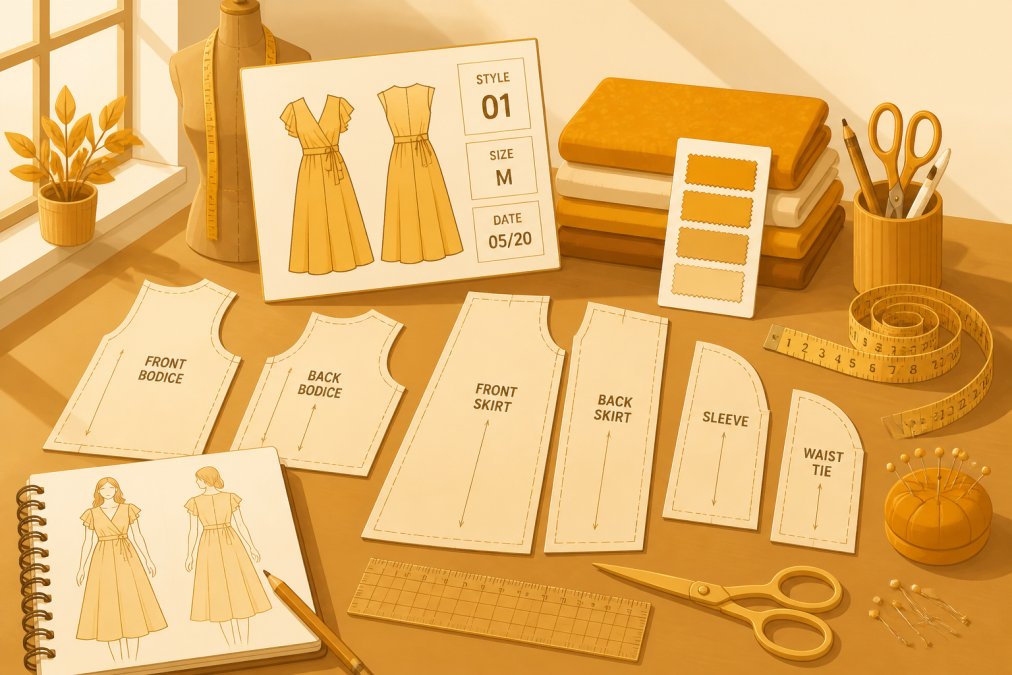
A basic tech pack includes:
- Front and back sketches (flat drawings showing the garment from both sides)
- Measurements and sizing (bust, waist, hip, length, sleeve length, and custom specifications)
- Fabric specifications (fiber content, weight, color, pattern, finish)
- Construction details (seam types, hem finishes, closures, pockets, special techniques)
- Color palette (specific color names, hex codes, or fabric swatches)
- Grading information (how measurements change across size ranges)
Pattern making is the technical skill of drafting the actual pieces that get cut and sewn. For beginners, you can draft patterns yourself or hire a pattern maker. Many beginners hire pattern makers because it’s faster and more reliable. A pattern maker takes your tech pack and design and creates the actual pieces a manufacturer will use.
Skipping the tech pack or providing vague measurements is the most common reason custom garment orders fail. Every detail needs to be spelled out, seam width, hem depth, exact placement of design elements.
According to the Garment Industry Association’s production standards, clear tech packs reduce manufacturing errors by up to 40% and eliminate costly revisions. A detailed tech pack takes a few extra hours upfront but saves weeks of back-and-forth corrections.
For beginners, the most practical approach is: sketch your design, create a detailed tech pack with measurements and fabric specs, then hire a pattern maker to draft the pieces. This combination of design vision and technical accuracy is what separates custom pieces that work from designs that fail in reality.
Custom garment design doesn’t have to be intimidating or expensive to start. The process becomes manageable when you break it into clear stages: understand your fabric and silhouette, sketch your vision using accessible software, and create a detailed tech pack that communicates your design to a manufacturer. Calgary Seamstress specializes in transforming custom designs into flawlessly fitted garments, offering expert guidance on garment construction, pattern refinement, and meticulous finishing work that brings your unique vision to life. Whether you’re designing your first piece or refining your process, working with experienced professionals ensures your custom apparel meets the quality and fit standards that make the effort worthwhile.
Frequently Asked Questions
What is the difference between custom garment design and print-on-demand?
Custom garment design means creating your own silhouette, choosing fabrics, and building a tech pack for a manufacturer to produce. Print-on-demand prints artwork onto pre-made garments. Custom design gives you control over the entire garment construction, seam placement, and fit. Print-on-demand is faster and requires no minimums, but limits your creative control to artwork placement and color.
Do I need formal fashion design training to start custom garment design?
No. Beginners can start by creating a mood board, studying existing garments, and using beginner-friendly design software. Understanding basic pattern making, seam allowance, and grading helps, but many designers learn through practice. Starting with simple silhouettes and working with experienced manufacturers who provide feedback accelerates your learning.
What textile labeling requirements Canada applies to custom apparel I design?
Canadian custom apparel must comply with the Textile Labeling and Advertising Regulations under the Consumer Protection Act. Labels must include fiber content percentages, country of origin, care instructions, and manufacturer or importer name. All text must appear in both English and French. These requirements apply whether you produce small batches locally or manufacture overseas, so plan label design into your tech pack from the start.
How much does it cost to produce a small batch of custom garments in Canada?
Pricing depends on fabric selection, garment complexity, order quantity, and the manufacturer. Local Canadian production typically costs more than overseas manufacturing but offers faster turnaround and supply chain transparency. Request quotes from multiple suppliers with your tech pack to compare. Many small batch producers have no minimums or low minimums (5-10 pieces), making it affordable to test designs before larger production runs.
What software should beginners use for custom apparel design?
Beginner-friendly options include Adobe Illustrator (vector graphics), Procreate (digital illustration on iPad), or free alternatives like Inkscape. Many designers start with fashion illustration software like Clo 3D or Marvelous Designer for visualizing garments. Choose based on your comfort level with digital tools. Vector graphics are essential for creating tech packs that manufacturers can use for pattern making and grading.
How do I find reliable garment manufacturers for small batch production in Canada?
Start by researching local manufacturers through industry associations, attending garment production expos, or asking other designers for referrals. Request samples and references before committing. Ensure they understand your tech pack, can handle your batch size, and meet Canadian textile labeling and quality standards. Building a relationship with one manufacturer helps them understand your vision and improves quality over time.
What should I include in a tech pack for my custom garment design?
A tech pack includes detailed sketches (front, back, side views), fabric specifications with swatches, color palette, measurements with seam allowance noted, grading rules for sizing, care instructions, and label requirements. It's the blueprint manufacturers use to produce your design consistently. A complete tech pack reduces errors, ensures quality assurance, and speeds up the sampling process significantly.
This article was written using GrandRanker