Table of Contents
- What Drives the Cost to Hem Pants
- How Long Does It Take to Hem Pants?
- Jeans Original Hem vs Standard Hem
- Quality Tailoring Indicators
- DIY Hemming vs Professional Hemming: What to Expect
- Why Local Matters: Hemming in Calgary
- Frequently Asked Questions
Last Updated: September 25, 2026
What Drives the Cost to Hem Pants
How much does it cost to hem pants depends on fabric, hem style, and the skill level required to finish the job cleanly. There is no single flat rate in Calgary. Two pairs of pants that look similar on a rack can need very different amounts of work once they reach a tailor’s table.
Calgary Seamstress handles everything from everyday trouser hems to formalwear, so we see this pricing gap constantly. A simple straight hem on cotton is quick work. A lined wool suit pant with a tapered leg is not. The difference shows up in the final quote.
Here is the key point most people miss: you are not paying for thread and a needle. You are paying for the time, tools, and judgment that keep the hem straight, invisible, and durable.
Fabric Type and Construction
Fabric is the first thing a tailor checks. Some materials are forgiving, and some fight back.
- Light cotton and chino: easy to fold, quick to press, lower cost
- Wool and wool blends: need careful pressing to avoid shine marks
- Silk and linen: slippery and prone to fraying, so they take longer
- Denim: thick seams can break a standard home machine
- Lined pants: the lining must be opened and reattached, adding steps
Construction matters just as much. A pair with a simple two-piece hem is faster to finish than one with cuffs, taping, or a hidden inner stitch. The more layers and the more precise the original finish, the more time the job takes.
Hem Style and Finishing
Hem style changes the work involved. A basic machine hem is the fastest and most affordable option. A blind hem hides the stitches and takes more control. A hand-finished hem on fine wool or formalwear can take several times longer than a machine stitch.
Then there is the finish itself. Some pants need hem tape, some need a rolled edge, and some need the original stitching matched. Each choice adds time, and time is what you are really paying for.
Ask your tailor to quote the hem style before they quote a price. “Hem my pants” can mean three different jobs, and the cheapest quote may not be the finish you actually want.
How Long Does It Take to Hem Pants?
A standard machine hem on a single pair of pants usually takes a few days at a busy shop, though rush options exist. The sewing itself is quick. Most of the wait is queue time, pressing, and quality checks.
For a simple hem, the hands-on work is short. For lined, cuffed, or delicate fabrics, expect more time and a higher price. Wedding and formalwear hems sit at the top of that scale because the finish has to be nearly invisible.
If you are on a deadline, ask about turnaround before you commit. Calgary Seamstress offers one-hour and 24-hour rush service, which matters when an event is days away.
A quick way to think about it:
| Job Type | Typical Turnaround | What Adds Time |
|---|---|---|
| Simple cotton hem | A few days | Queue length |
| Lined wool trousers | A few days to a week | Lining work, pressing |
| Cuffed or taped hem | A few days to a week | Extra folds, matching |
| Formal or bridal hem | A week or more | Hand finishing, fittings |
The lesson: the sewing is fast. The finishing and the queue are what you wait for.
Jeans Original Hem vs Standard Hem
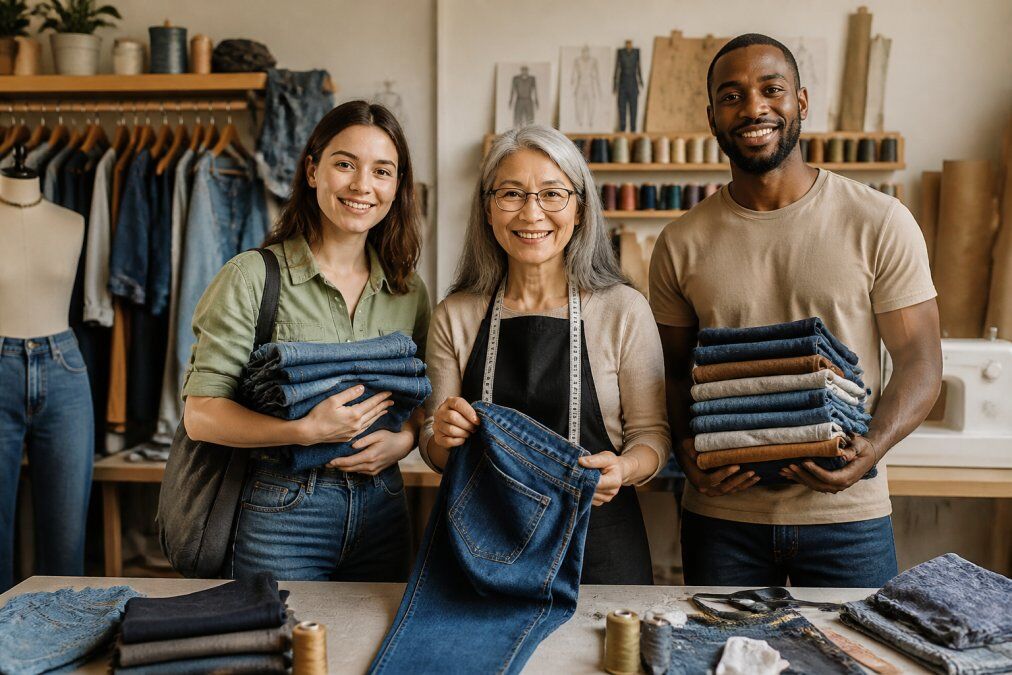
The choice between an original hem and a standard hem is the biggest single factor in how much does it cost to hem pants. An original hem keeps the factory-finished edge of the jean and reattaches it higher up the leg. A standard hem cuts the leg and sews a fresh edge in the new length.
Why does this matter? Denim fades, and that worn-in look at the bottom is hard to fake. An original hem preserves it. That is why it costs more and takes longer.
- Original hem: keeps the factory distressed edge, more work, higher price
- Standard hem: new stitched edge, faster, lower price, loses the worn look
- Best for original hem: premium or raw denim you want to look untouched
- Best for standard hem: basic jeans where the bottom edge is not the point
A common mistake is choosing the cheapest hem on expensive denim. You save a little now and lose the detail that made the jeans worth buying. If you would rather leave it to someone who does this daily, Jeans / Pants Alterations covers exactly this kind of work.
Quality Tailoring Indicators
You can spot good hemming before you ever put the pants on. Quality tailoring shows in the details: even stitches, a straight line, and a finish that matches the rest of the garment.
Look for these signs:
- Stitch length is consistent from start to finish
- The hem line is level all the way around
- Thread color matches the original fabric
- No puckering, pulling, or wavy edges
- The inside finish is clean, not a tangle of loose thread
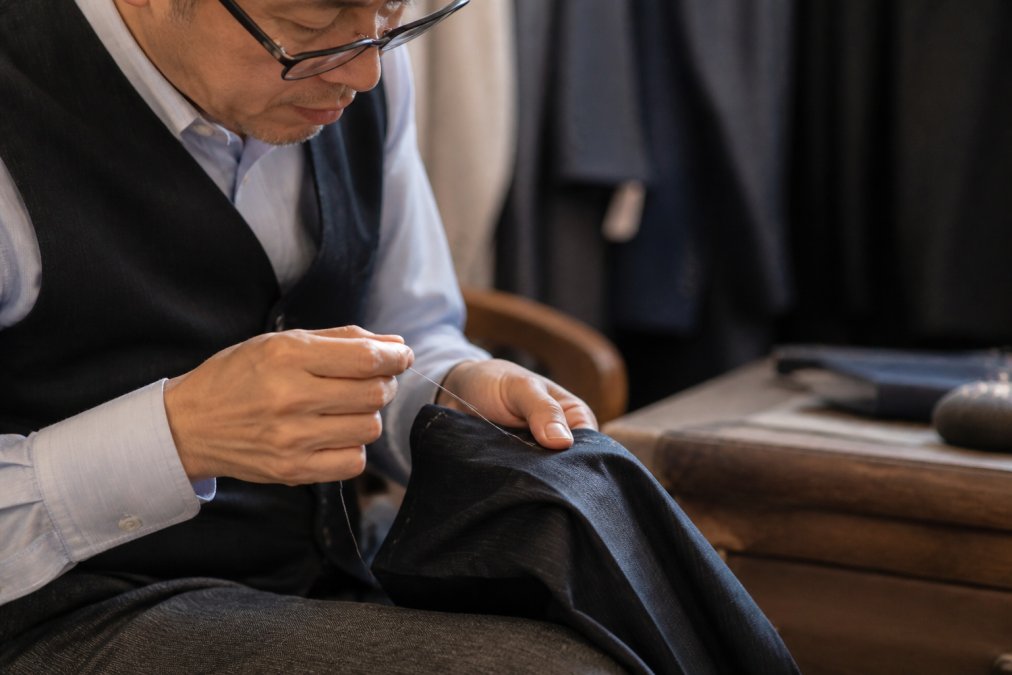
What most guides miss is the press. A hem can be sewn perfectly and still look wrong if it is not pressed correctly. Good shops press as they go, not just at the end.
Do not judge a hem by the outside alone. Flip the pants inside out. A messy inner finish is the fastest sign that corners were cut, and it often means the hem will fail sooner.
DIY Hemming vs Professional Hemming: What to Expect
Hemming your own pants is possible, and for a cheap pair of casual trousers it can be fine. The catch is equipment and skill. Most home machines struggle with thick denim seams, and getting a level line by hand takes practice.
Here is an honest comparison:
- DIY cost: low, but you supply the machine, thread, and time
- DIY risk: uneven lines, broken needles, ruined fabric
- Professional cost: higher, but the finish is clean and durable
- Professional benefit: pressing, matching, and a straight result
If the pants are casual and replaceable, DIY is reasonable. If they are lined, expensive, or part of a suit, professional work pays off. The same logic applies to related repairs, like a zipper replacement or a jacket cuff fix, which are harder than they look.
For a full range of garment care, Calgary Seamstress covers jeans and pants alterations alongside suit and formalwear work. The Government of Canada’s guide to consumer product labelling is a useful reminder to check fabric care labels before any alteration, since fiber content affects how a hem should be finished.
Why Local Matters: Hemming in Calgary
Choosing a local tailor in Calgary comes down to fit, speed, and accountability. A shop you can walk into can pin your hem in person, check the length against your shoes, and adjust on the spot. That beats mailing pants away and hoping.
Calgary’s seasons play a role too. Winter salt and slush punish hems, and a sturdy finish lasts longer than a quick one. A local tailor near you can also handle follow-up tweaks without shipping costs. Investing in durable alterations for your existing wardrobe often proves more economical than navigating the fluctuating custom clothing costs associated with building a new collection from scratch.
When you search for pants hemming near me, you want a shop that stands behind its work. Calgary Seamstress is a local small business based in Calgary Southcentre Mall, so you can see the work, ask questions, and get it right the first time. Supporting a local shop keeps money in the community and gives you a real person to talk to if something needs a second look.
The cheapest hem is not always the best value. A clean, level finish that lasts two winters costs less over time than a rushed job you have to redo.
Frequently Asked Questions
What is the average cost to hem pants in Calgary?
Pricing for hemming pants varies based on fabric, hem style, and whether you need an original hem on jeans. Most tailors charge more for lined trousers, heavy denim, or specialty finishes. To get an exact price for your pants, bring them to a local tailor for a quick assessment. Calgary Seamstress offers transparent quotes before any work begins, so you know exactly what to expect.
Does the type of fabric affect the cost of hemming pants?
Yes, fabric plays a big role in hemming cost. Lightweight cottons and standard wool blends are straightforward to hem, while heavy denim, silk, velvet, or lined suit trousers require more time and skill. Delicate fabrics may need hand stitching to avoid damage, which adds labor. Always ask your tailor how the fabric will influence the final price before you commit.
How long does it usually take to get pants hemmed at a Calgary tailor?
Turnaround depends on the tailor’s workload and the complexity of the hem. Simple hems on casual pants can often be done in a few days, while jeans with original hems or lined dress pants may take longer. Some tailors offer rush service for an extra fee. Calgary Seamstress provides one-hour and 24-hour rush options for urgent needs, subject to availability.
Is it cheaper to hem pants myself or take them to a professional?
DIY hemming saves money on labor, but the results may not match a professional finish. Without the right tools and technique, hems can look uneven, pucker, or wear out quickly. Professional tailors have the experience to match thread, replicate original stitching, and ensure a clean drape. If the pants are valuable or you want a polished look, the extra cost is often worth it.
Pricing for hemming varies by fabric, hem style, and turnaround, so the honest answer is that it depends on your pants. That is exactly why a quick in-person look beats any online guess. Calgary Seamstress offers expert pants hemming, original jean hems, and rush service, all handled by skilled artisans who treat every garment with care. Get started with Calgary Seamstress and book an appointment online to get a precise fit and a hem that lasts.