Table of Contents
- How Rush Tailoring Works and What the Extra Fee Actually Buys
- How Long Do Suit Alterations Take Without Rush?
- Average Cost of Clothing Alterations Calgary: What Drives the Price Up
- Rush Tailoring Pros and Cons: Where the Money Goes
- Does Rushed Work Mean Lower Quality? What to Check Before You Pay
- How to Prepare for a Tailoring Appointment (Rush or Standard)
- Which Garments Can and Cannot Be Rushed
- Frequently Asked Questions
Last Updated: September 28, 2026
How Rush Tailoring Works and What the Extra Fee Actually Buys
Is rush tailoring service worth the extra cost? For most people facing a hard deadline, yes. A rush fee buys priority scheduling: your garment jumps the queue, gets assigned to a senior tailor, and moves through fitting and finishing in a compressed window. At Calgary Seamstress, we offer one-hour and 24-hour rush options when your deadline cannot move.
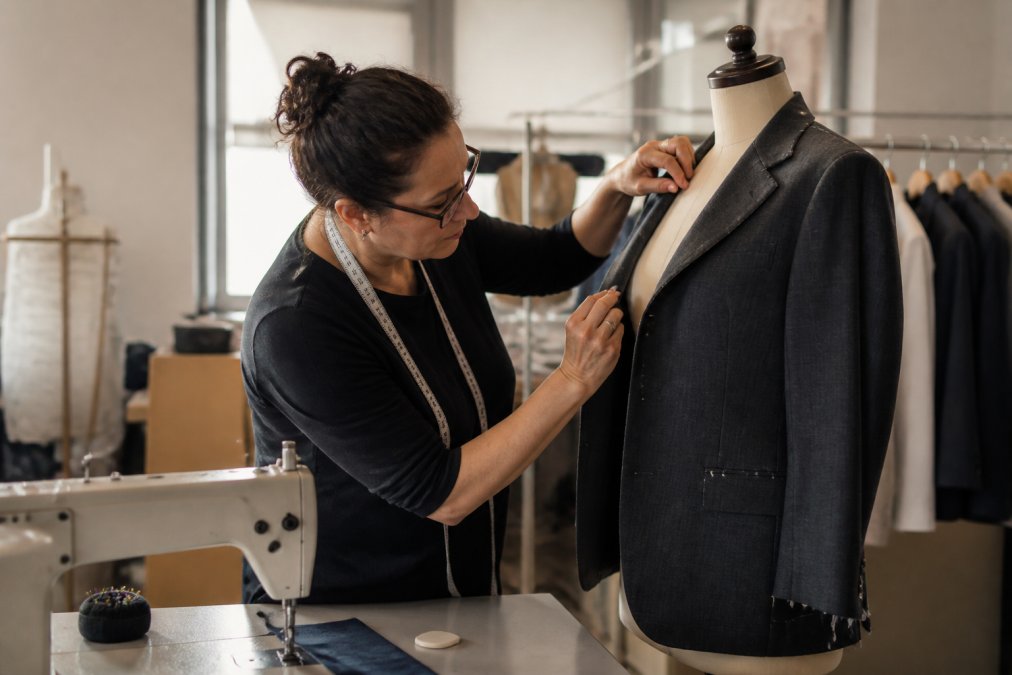
The fee itself pays for reshuffled workflow, not shortcuts.
One-Hour, 24-Hour, and Standard Turnaround Windows
Rush tailoring is a priority service that compresses a garment’s alteration timeline by moving it to the front of the work queue. The three common windows are one-hour, 24-hour, and standard.
- One-hour rush: Simple fixes only, such as a hem or a seam taken in.
- 24-hour rush: Most alterations, including suit jackets and dress adjustments.
- Standard: Typically several days to a few weeks, depending on the workload and how complex the garment is.
How Long Do Suit Alterations Take Without Rush?
Standard suit alterations usually take one to two weeks, though busy periods can stretch that further. The timeline depends on what needs changing and how many fittings are required.
Hemming pants is quick. Taking in a jacket at the waist, shortening sleeves, and adjusting shoulders takes longer because each change affects the others. A tailor often does one round of work, asks you to try the garment on again, then refines.
Wedding season and graduation season are the busiest stretches in Calgary. Book early if your date is fixed.
Ask for the completion date in writing when you drop off. A verbal “sometime next week” is where most deadline stress starts.
Average Cost of Clothing Alterations Calgary: What Drives the Price Up
Pricing for clothing alterations in Calgary depends on the garment, the number of changes, and how fast you need it. There is no single flat rate.
What pushes the price up:
- Complexity: Shoulders, collars, and lined jackets take more hours than a straight hem.
- Fabric: Delicate fabrics such as silk or lace need slower, more careful handling.
- Number of adjustments: Each change is quoted separately.
- Turnaround: A rush window adds a priority fee on top of the base alteration price.
- Fittings: Multiple fittings add time.
Because every garment is different, the honest answer is that you need a quote. Bring the item in and ask for a written estimate before you commit.
Rush Tailoring Pros and Cons: Where the Money Goes
Rush tailoring suits deadline-driven situations, but it is not always the smart spend. Here is the trade-off in plain terms.
| Factor | Rush Service | Standard Service |
|---|---|---|
| Turnaround | Hours to 1 day | Days to weeks |
| Cost | Base price plus priority fee | Base alteration price |
| Best for | Fixed events, urgent repairs | Flexible timelines |
| Booking pressure | High, limited daily slots | Lower, easier to schedule |
| Fitting rounds | Compressed | Spread out |
When the Rush Fee Pays for Itself
Pay the rush fee when the date cannot move. A wedding, a job interview, a gala, or a court appearance all have fixed clocks. If the garment does not fit on that day, the outfit fails.
Urgent repairs count too. A broken zipper the night before a trip is worth fixing fast rather than replacing the garment.
When Waiting Saves You Money
Skip the rush when you have time. If your event is weeks away, standard turnaround gives the tailor room to do the work properly and costs less. You also avoid the risk of a rushed fitting that misses a detail. Investing in quality garments often requires a careful cost analysis of clothing to determine whether the longevity of the fabric justifies the initial expense compared to the recurring fees of frequent alterations.
Do not book a rush slot and then arrive late to your fitting. Rush windows are tight, and a missed appointment can push your completion date past your event.
Does Rushed Work Mean Lower Quality? What to Check Before You Pay
Rushed work does not have to mean lower quality, but it can if the tailor cuts corners. Speed comes from scheduling, not from skipping steps.
Check these before you pay:
- Seams lie flat with no puckering
- Hems are even when the garment is worn, not just on the hanger
- The garment moves with you when you sit, reach, and turn
- Buttons, zippers, and linings are secure
- The fit looks the same on both sides
How to Prepare for a Tailoring Appointment (Rush or Standard)
Knowing how to prepare for a tailoring appointment saves time and gets a better result. Come ready and the fitting goes faster.
- Wear the right undergarments and shoes. The fit changes with the base layers you will actually wear.
- Bring the garment clean if it needs washing, since some fabrics shift after cleaning.
- Know your deadline and say it out loud at drop-off.
- Bring inspiration photos if you want a specific look.
- List every change you want, even small ones.
- Ask what the garment can and cannot do. Some adjustments are limited by the existing cut.
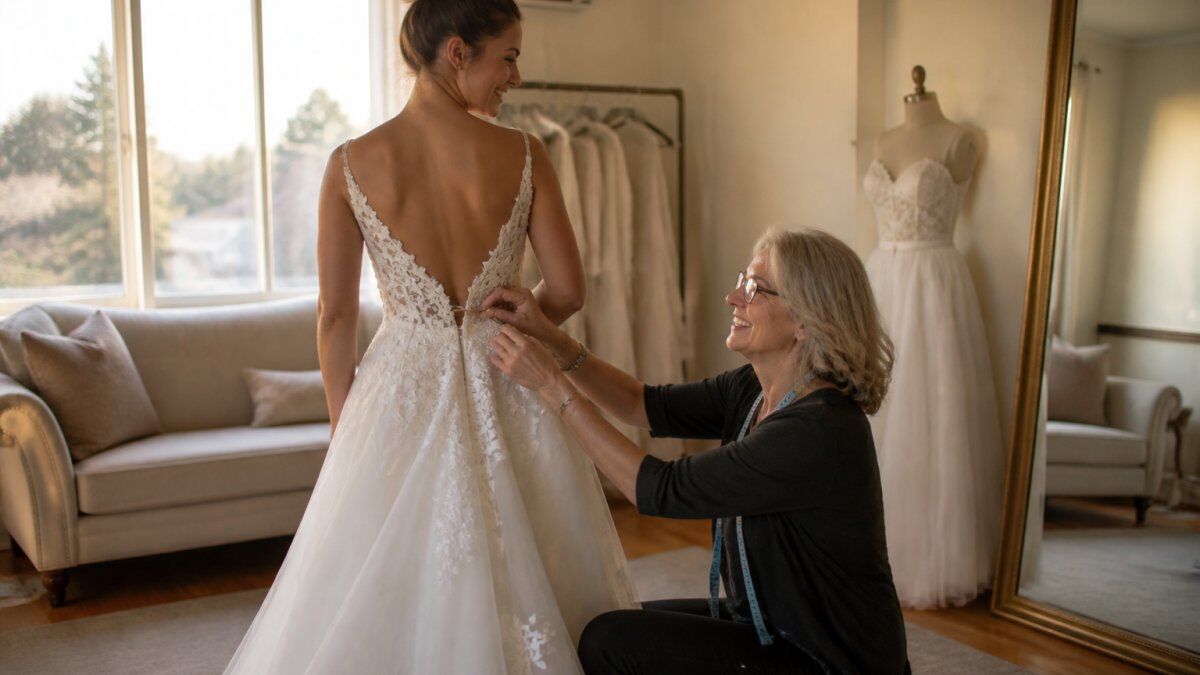
For wedding dress alterations, book early and expect more than one fitting. A gown is built around you, and that takes rounds of work.
Which Garments Can and Cannot Be Rushed
Simple alterations rush easily. Complex rebuilds often cannot.
Rush-friendly jobs include pant hems, zipper replacements, taking in a waist, and shortening sleeves. These are contained changes a tailor can complete in a short window.
Harder to rush: full jacket rebuilds, shoulder adjustments, and heavily beaded or delicate gowns. These need time to do well, and a good tailor will tell you so rather than promise the impossible.
If you are searching for a tailor near me in Calgary, ask directly whether your specific garment fits a rush window before you assume it does.
A fixed date and a garment that does not fit is a stressful combination, and it is the exact situation rush tailoring exists to solve. At Calgary Seamstress, our team handles wedding dress alterations, suit tailoring, and everyday repairs like zippers and pant hems, with one-hour and 24-hour rush options when your deadline cannot move. We are a local Calgary small business based at Southcentre Mall, and we treat every garment like it matters. Get started with Calgary Seamstress and walk into your event knowing your fit is right.
Frequently Asked Questions
How much does rush tailoring usually cost in Calgary?
Pricing depends on the garment, the number of adjustments, and how fast you need it back. A simple hem costs less to rush than a full suit recut or wedding dress rebuild. Rush fees reflect the overtime labor, reshuffled schedule, and extra fittings involved. Calgary Seamstress does not publish fixed rates because every job is quoted after the garment is seen, so request a quote with your deadline and they will confirm what the rush adds.
Are rush alterations lower quality than standard services?
Not automatically. Quality depends on who does the work and how much time the tailor allocates per garment, not the clock alone. A rushed hem on suit trousers is straightforward and rarely suffers. Complex jobs like wedding dress alterations or jacket recutting are riskier to compress, because multiple fittings are hard to squeeze into a day. Ask what stages the tailor will skip, if any, before you agree to a rush.
When should you definitely pay for rush tailoring?
Pay for the rush when the deadline is fixed and missing it costs more than the fee. Weddings, job interviews, court dates, and formal events do not move. If your suit trousers need a quick hem before a flight, rush tailoring makes sense. If you have three or more weeks before the event, standard turnaround usually covers it, and you keep the difference.
How far in advance should I book wedding dress alterations in Calgary?
Most brides should start alterations six to eight weeks before the wedding, with the first fitting booked as soon as the dress arrives. That window allows for two or three fittings, which is normal for gowns with boning, lace, or beading. Rush service exists for late arrivals and last-minute changes, but it compresses the fitting schedule and leaves less room for error.