Table of Contents
- Tailoring vs Buying New Clothes: When Does Each Make Financial Sense?
- Average Cost of Clothing Alterations in Canada
- Is Tailoring Worth It for Fast Fashion?
- How to Find a Reliable Tailor in Canada
Last Updated: August 3, 2026
Tailoring vs Buying New Clothes: When Does Each Make Financial Sense?
When facing a wardrobe decision, the question of tailoring vs buying new clothes cost comes down to a simple calculation: Is it cheaper to fix what you have, or start fresh? At Calgary Seamstress, we’ve helped hundreds of Calgary residents navigate this choice. The real decision isn’t just about price, it’s about garment quality, your lifestyle, and how many wearings you’ll get from the piece. According to Statistics Canada consumer spending data, Canadian households spend an average of 4-5% of their budget on clothing annually, yet many overlook the financial advantage of strategic tailoring.
A pair of off-the-rack trousers with premium fabric might be worth altering. A fast fashion shirt with thin seams probably isn’t. The difference between a garment that lasts five years and one that lasts five months often comes down to fit and fabric quality.
The true cost of a garment is the cost per wear. A $200 suit worn 80 times costs $2.50 per wear. A $50 shirt worn twice costs $25 per wear. Tailoring changes this equation by extending wardrobe longevity.
Average Cost of Clothing Alterations in Canada
Professional tailoring services in Canada vary widely depending on complexity and location. A simple hemline on trousers typically costs $15-30, while more complex alterations like tapering jacket sleeves command higher fees. The Love Your Tailor service guide shows that professional alteration facilities across Canada handle everything from basic hemming to intricate beaded gown restoration.
| Alteration Type | Typical Cost Range | Complexity | Time to Complete |
|---|---|---|---|
| Pant hemming (basic) | $15-30 CAD | Low | 3-5 days |
| Jacket sleeve shortening | $25-50 CAD | Medium | 5-7 days |
| Dress tapering (side seams) | $40-75 CAD | Medium | 5-7 days |
| Zipper replacement | $20-40 CAD | Medium | 3-5 days |
| Dart adjustment (fit) | $30-60 CAD | High | 5-7 days |
| Wedding dress alterations | $150-400+ CAD | Very High | 10-14 days |
| Custom cuff work (jeans) | $15-25 CAD | Low | 3-5 days |
The cost-benefit analysis shifts when you consider garment quality. A well-made suit in premium wool can justify $75-100 in alterations because it will last a decade or more. That same alteration on a fast fashion blazer makes less financial sense, since the garment may deteriorate within two years regardless of fit.
Calgary Seamstress specializes in precise alterations that preserve garment integrity. Whether you need pants hemming, jacket tailoring, or complex work like zipper replacements, our team understands that meticulous craftsmanship extends wardrobe longevity.
Rush services cost 20-40% more. Budget accordingly if you need quick alterations for an upcoming event.
Is Tailoring Worth It for Fast Fashion?
Tailoring fast fashion is almost never a smart financial move. Fast fashion garments are engineered for disposal, not longevity. The seams are narrow, the fabric is thin, and construction shortcuts mean that perfect fit won’t extend the garment’s useful life significantly.
If you spend $30 on a fast fashion dress and $50 on alterations, you’ve invested $80 in a garment designed to last one season. A $120 quality dress that already fits reasonably well will survive five years of regular wear. That’s the hidden cost: tailoring doesn’t fix underlying construction problems in cheap garments.
There’s a narrow exception. If you’ve purchased a fast fashion piece in a pattern or style you absolutely love, and alterations are minimal (a simple hem or minor tapering), spending $15-25 to make it wearable might make sense for one season. The sustainable fashion argument also applies, tailoring keeps garments out of landfills longer.
Tailor high-quality garments with good fabric and construction. Skip alterations on fast fashion items unless the piece is irreplaceable and the work is minimal.
How to Find a Reliable Tailor in Canada
Finding a tailor you can trust requires more than a Google search. You’re entrusting someone with garments that matter to you.
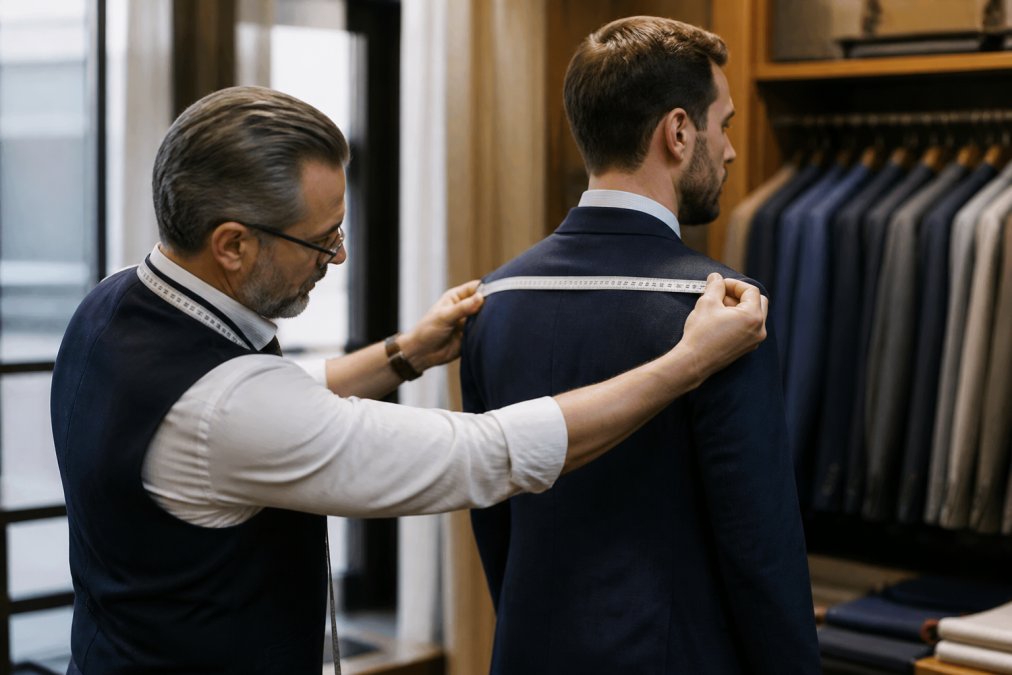
Start with local recommendations. Ask friends, family, and colleagues who they use. Word-of-mouth referrals carry weight because they come with real experience. In Calgary, local community groups and neighborhood forums often have strong recommendations.
Check their portfolio. A reputable tailor will have before-and-after photos of their work. Look for consistency in seam quality, hem evenness, and precision in complex work. Calgary Seamstress maintains a portfolio of wedding dress alterations, suit adjustments, and custom garment work that demonstrates precision craftsmanship.
Ask specific questions about their process. How do they handle your initial fitting? Will they do a test fit before final work? What’s their policy if something doesn’t fit right after completion? Professional tailors will have clear answers and stand behind their work.
Understand their specialization. Some tailors excel at men’s suiting but struggle with delicate fabrics. Others specialize in wedding wear. Find someone whose expertise matches your needs.
Visit in person before committing major work. Meet the tailor, discuss your project, and get a written quote. A professional will take time to understand what you want and explain how they’ll achieve it.
Check turnaround times. Standard alterations take 5-7 days. Calgary Seamstress offers standard service and rush options including one-hour and 24-hour turnarounds for urgent needs, but these come at a premium.
The decision between tailoring and buying new clothes comes down to three factors: garment quality, alteration cost, and how long you’ll wear the piece. High-quality garments with good fabric and professional construction are worth tailoring. Fast fashion items rarely justify the investment. When you find a tailor you trust, tailoring transforms your wardrobe into a curated selection of garments that actually work for your body and lifestyle. At Calgary Seamstress, we specialize in this transformation. Whether you need wedding dress alterations, suit adjustments, or custom garment design, our team in Calgary Southcentre Mall is ready to help. Make an appointment online and experience the difference that precision tailoring makes.
Frequently Asked Questions
What is the cost-per-wear calculation for tailoring vs buying new clothes?
Cost-per-wear divides the total cost (purchase plus alterations) by how many times you wear the item. A $200 suit with $80 in tailoring costs $280 total. Wear it 100 times and the cost-per-wear is $2.80. Fast fashion items worn 5-10 times often cost more per wear. Higher-quality garments with better fabric durability justify tailoring because you wear them longer, lowering the cost-per-wear significantly over time.
How much do common clothing alterations typically cost in Canada?
Alteration pricing depends on garment type, fabric complexity, and tailor expertise. Basic hemming, tapering, and simple repairs vary by location and tailor. For accurate pricing on your specific items, contact a local professional tailor directly for a quote. Rush services (24-hour or one-hour turnaround) typically cost more than standard timelines. Wedding dress alterations and intricate work on high-end fabrics command higher fees due to the skill and care required.
Is tailoring worth it for inexpensive fast fashion items?
Fast fashion garments often lack adequate seam allowance and quality fabric durability, making alterations risky or uneconomical. If an item costs $30 and tailoring costs $40-60, replacement makes more sense. However, tailoring can be worthwhile for fast fashion pieces if they fit your style perfectly and the alteration cost stays below 50% of the original purchase price. Focus tailoring on wardrobe staples and higher-quality pieces where the fabric can withstand alterations without puckering or damage.
What questions should I ask before choosing a tailor in Canada?
Ask about their experience with your specific garment type (wedding dresses, suits, everyday wear). Request to see examples of completed work or references. Clarify turnaround times and whether rush services are available. Ask how they handle complex issues like zippers, cuffs, or original jean hems. Discuss pricing upfront and whether they offer a satisfaction guarantee. A reliable tailor will listen to your fit preferences and explain what's possible based on the garment's construction and seam allowance.
How do I know if a garment is worth tailoring versus replacing?
Consider the fabric quality, original cost, and emotional value. High-quality fabrics with good durability and garments you genuinely love are worth tailoring. Check if the piece has adequate seam allowance for alterations. If tailoring costs exceed 30-40% of the replacement price for similar quality, buying new may be smarter. Wedding dresses, suits, and cherished items often justify investment in professional alterations. Fast fashion basics usually aren't worth the cost unless the item is irreplaceable or has sentimental significance.
This article was written using GrandRanker