Table of Contents
- Understanding Urgent Pant Hemming Services
- How to Measure Pants for Hemming
- Hemming Techniques: Euro Hem, Cuffed Hem, and Original Hem
- How Long Does Pant Hemming Take
- Average Cost to Hem Pants
- Preparing Your Pants for a Professional Fitting Appointment
- DIY vs. Professional Hemming: When to Choose Each
- Fabric-Specific Hemming Requirements
Last Updated: August 11, 2026
Understanding Urgent Pant Hemming Services
When you need urgent pant hemming services, timing becomes everything. Whether you’re preparing for a job interview, wedding, or special event, getting pants hemmed quickly without sacrificing quality requires understanding what "urgent" actually means in the tailoring world. Calgary Seamstress specializes in exactly this kind of time-sensitive work, offering one-hour or 24-hour rush service options that deliver results when you need them most.
Urgent pant hemming differs from standard alterations in one critical way: speed doesn’t compromise precision. Professional seamstresses who handle rush work have refined processes that eliminate unnecessary steps while maintaining meticulous standards. A rush job isn’t magic, it’s efficiency built on expertise.
Before booking a rush service, confirm your exact deadline with the tailor. “Tomorrow” and “by 5 PM today” are completely different commitments. Being specific prevents misunderstandings that could derail your plans.
How to Measure Pants for Hemming
Taking Inseam Measurements at Home
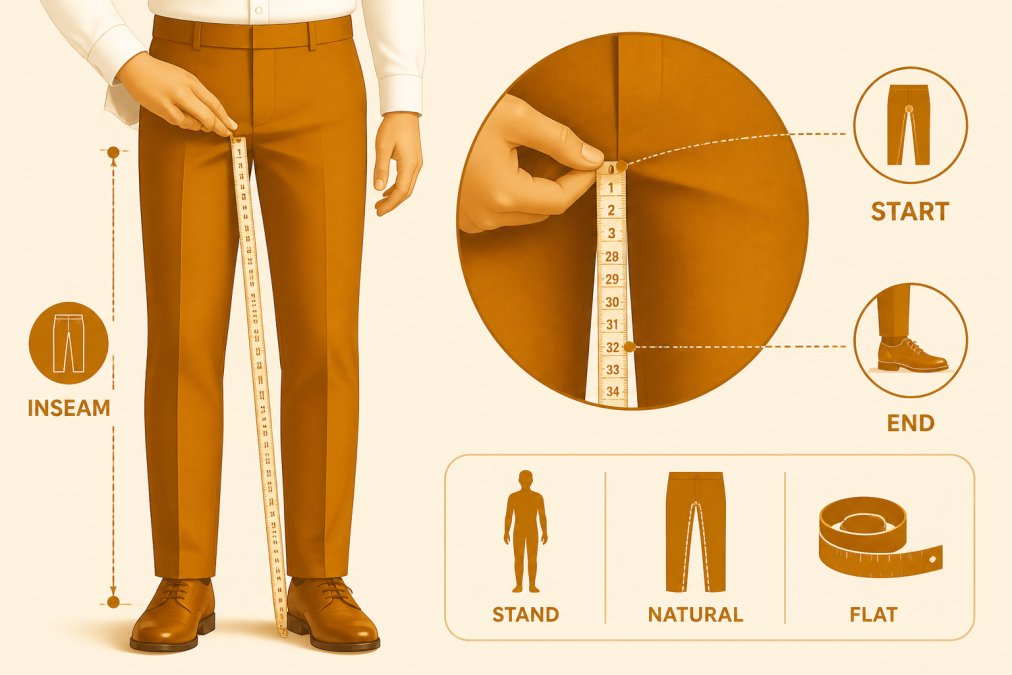
The inseam is the distance from your inner thigh down to your ankle, the measurement that determines where your hem actually sits. Getting this right before your fitting saves time and reduces adjustments.
Put on the pants you want hemmed along with the shoes you’ll actually wear with them. Shoes matter because heel height changes your inseam by a quarter-inch to half-inch. Stand in front of a mirror with your feet together and your posture natural.
Measure from the inside seam at your crotch straight down to where the pants currently touch your shoe. Use a soft measuring tape. If you don’t have one, use a piece of string, mark where it reaches, then measure the string against a ruler. Write down the measurement in both inches and centimetres.
Communicating Your Desired Hem Length
Once you have your inseam measurement, decide on your hem length preference. A business formal hem sits just touching the top of your shoe. A casual hem might sit slightly higher.
When you communicate with your tailor, use both your measurement and your style preference: "I measured approximately 81 centimetres inseam and I want the hem to sit just touching my shoe." This gives the professional two reference points, reducing misinterpretation.
If you’re unsure about your preference, bring the shoes you’ll wear most often with these pants to your fitting appointment. Your tailor can drape the fabric and show you how different lengths will look.
Hemming Techniques: Euro Hem, Cuffed Hem, and Original Hem
Different hemming techniques produce different aesthetics and work better with different fabrics.
Original Hem preserves the factory edge of the fabric. This technique is ideal for jeans and other casual pants where you want to maintain the authentic look of the garment. The original hem creates a slightly thicker, more textured edge characteristic of unwashed or lightly-washed denim.
Euro Hem (also called a European hem or blind stitch) creates a clean, nearly invisible seam on the inside of the pant leg. The fold is sewn with thread that matches the fabric, making it virtually undetectable from the outside. This technique works beautifully on dress pants, trousers, and any garment where you want a polished, seamless appearance.
Cuffed Hem folds the fabric up and stitches it visibly on the outside, creating a deliberate cuff at the bottom of the pant leg. A cuffed hem typically measures between 4 to 5 centimetres and creates a structured, intentional look. It works particularly well on wool trousers and vintage-inspired pieces.
The right hemming technique depends on your fabric type, the original construction of the pants, and the final look you want to achieve. Discuss these with your tailor, they’ll recommend what works best for your specific garment.
How Long Does Pant Hemming Take
Same-Day and Rush Service Options
Same-day pant hemming is genuinely possible, but the timeline depends on when you drop off your pants and how busy the tailor is. Calgary Seamstress offers one-hour and 24-hour rush service for garments that need immediate attention. For urgent pant hemming services, expect to drop off your pants in the morning and pick them up by evening, or drop them off midday and collect them the next morning. Calling ahead helps confirm availability.
Rush service fees apply to these accelerated timelines. You’re paying for the tailor to prioritize your work above other scheduled appointments. This reflects the real cost of rearranging workflow to accommodate your deadline.
Standard Turnaround Times
Without rush service, standard pant hemming typically takes 5-7 business days. This timeline allows the tailor to batch similar work, maintain quality control, and manage multiple customers fairly. Calgary Seamstress’s standard turnaround is about a week.
When you book an appointment, always confirm the exact completion date and pickup time. "Next week" is vague. "Tuesday by 5 PM" is clear.
Never assume a rush service is available on your preferred timeline. Call ahead or check the tailor’s website for current capacity. During busy seasons, rush slots fill quickly.
Average Cost to Hem Pants
Pricing for pant hemming varies based on fabric type, hem technique, and whether you’re using rush service. Standard hemming for basic dress pants typically costs less than hemming jeans or specialty fabrics.
Rush fees add to the base cost. A one-hour service costs significantly more than standard turnaround because the tailor is accelerating their workflow. Same-day service might add 50-100% to the base cost, depending on the tailor and timeline.
For specific pricing on urgent pant hemming services, contact your local tailor directly. Calgary Seamstress provides quotes after assessing your specific pants and timeline, ensuring you’re paying for exactly what you need.
Preparing Your Pants for a Professional Fitting Appointment
What to Bring and Wear to Your Appointment
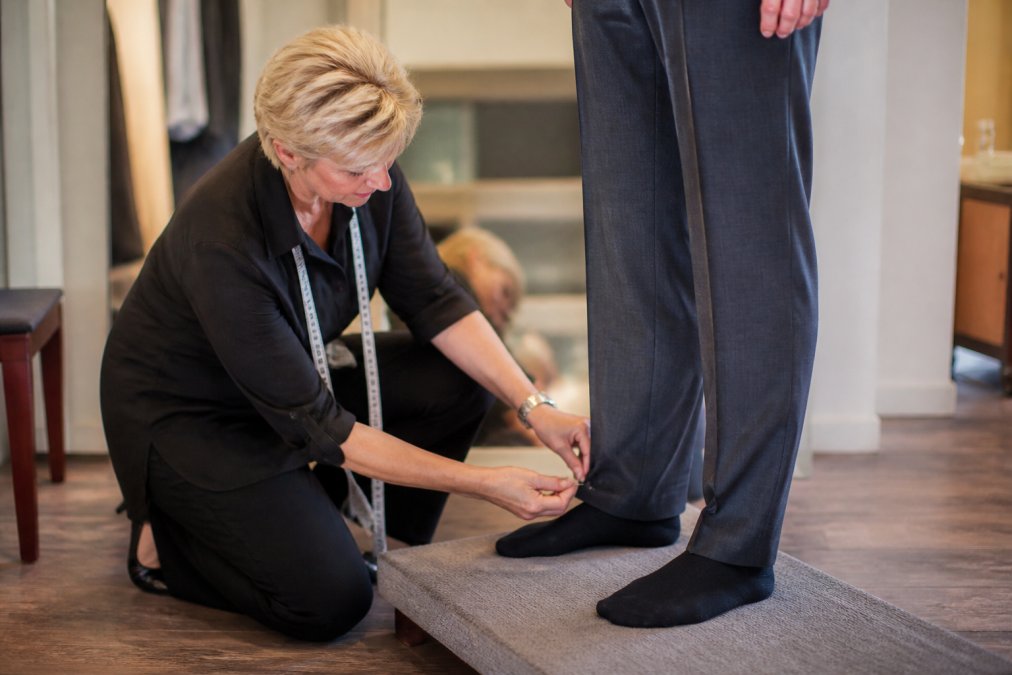
Bring the shoes you’ll wear with these pants. This single detail changes everything about how the hem will look. A half-inch difference in heel height shifts your inseam measurement. Your tailor needs to see the actual shoes to get the length exactly right.
Wear the undergarments and clothing you’ll typically wear with these pants. If you always wear a belt, wear one to your fitting. These details affect how the pants sit on your body, which directly impacts hem length and overall fit.
Arrive with clean pants if possible. Dirty or wrinkled pants are harder to measure accurately. If your pants are brand new with creases, that’s fine, creases actually help with precise measuring.
Common Mistakes to Avoid Before Your Fitting
Don’t hem your pants yourself before bringing them to a professional. A DIY hem often creates problems that a tailor then has to fix, potentially costing you more money.
Don’t wash or dry-clean your pants immediately before your fitting. Washing can shrink fabrics and affect how they drape. Do it well before your appointment so you can see how they actually fit after washing.
Don’t guess at your measurements. Bring your written inseam measurement to your appointment, but be prepared for your tailor to re-measure. Professional tailors measure every client because home measurements often have small errors.
Don’t assume you know what hem length you want without seeing it pinned. Many people change their minds once they see how different lengths actually look on their body. Be open to your tailor’s suggestions based on their experience.
DIY vs. Professional Hemming: When to Choose Each
DIY hemming makes sense for very simple projects on forgiving fabrics. Hand-sewing a basic hem on cotton pajama pants or casual athletic wear is low-risk because the stakes are low.
DIY hemming becomes risky the moment your pants cost real money or you need a polished finish. A mistake on dress pants that cost $150 turns into either an expensive fix or a ruined garment. The cost of a professional hem is insurance against that risk.
Professional hemming is the only sensible choice for urgent situations. You don’t have time to learn from mistakes or redo a failed attempt. A professional delivers a guaranteed result on your timeline. This is where Calgary Seamstress delivers real value, you get speed without sacrificing quality.
Professional hemming also handles specialty situations that DIY cannot. Hemming jeans with an original hem requires specific knowledge about denim weight and appropriate thread. Hemming delicate fabrics like silk or satin requires experience that prevents puckering and visible stitching.
The decision ultimately comes down to three factors: the value of the pants, how much you care about the final appearance, and your available time. If all three point toward "this matters," professional hemming is the only logical choice.
Fabric-Specific Hemming Requirements
Different fabrics require different approaches to hemming.
Cotton and cotton blends are the most forgiving fabrics for hemming. They hold a crease well, don’t fray excessively, and work with standard sewing techniques. Hemming these fabrics is straightforward work, which is why it’s typically the most affordable option.
Denim requires special consideration because of its weight and construction. Heavy raw denim demands stronger thread and careful attention to the original hem style. Hemming jeans with an original hem preserves the factory edge, which many people prefer. This technique costs more because it requires specific expertise.
Wool and wool blends need careful handling to prevent fraying at the cut edge. A quality wool hem often includes a serged or bound edge to prevent unraveling. Wool trousers typically benefit from a professional hem because the fabric’s characteristics require experienced hands.
Synthetic blends and polyester are common in modern pants and generally straightforward to hem. These fabrics don’t fray as much as natural fibers and respond well to standard hemming techniques.
Delicate fabrics like silk, satin, and fine linen require experienced hands. These materials show needle marks, pucker easily, and can be damaged by aggressive sewing. Hemming delicate fabrics costs more and takes longer because the work demands precision and care.
When you bring pants to a tailor, mention the fabric content if you know it. Check the care label, which usually lists the fiber composition. This information helps your tailor select the right thread, technique, and timeline for your specific pants.
Getting urgent pant hemming done right requires finding a tailor who understands your timeline without compromising on quality. Calgary Seamstress offers one-hour and 24-hour rush service options that prove speed and precision aren’t mutually exclusive. Whether you need a hem completed in one hour or by tomorrow afternoon, the key is clear communication about your deadline and your expectations. Make an appointment online to discuss your specific timeline and let our experienced team handle the details.
Frequently Asked Questions
What is the average cost to hem pants?
Pricing for urgent pant hemming depends on the hem style, fabric type, and how quickly you need the work completed. Standard hemming typically costs less than specialty techniques like euro hems or cuffed finishes. Rush services incur additional fees. Contact for a personalized quote based on your specific garment and timeline.
Can I get pants hemmed in under an hour?
Yes, one-hour rush hemming is available for urgent needs. This accelerated service is ideal for last-minute events or time-sensitive situations. Keep in mind that one-hour service applies best to straightforward hemming on standard fabrics. Complex alterations or specialty fabrics may require longer turnaround even with rush options. Book in advance to confirm availability.
How do I measure my pants for hemming at home?
Measure your inseam by wearing the pants with the shoes you'll wear them with, then measure from the inside of your ankle to your crotch seam. Alternatively, lay the pants flat and measure from the crotch seam to your desired hem length at the ankle. Write down the measurement and bring it to your fitting appointment. A professional seamstress will verify the measurement in person to ensure the perfect fit.
What is the difference between a euro hem, cuffed hem, and original hem?
A euro hem is a clean, modern finish with a single fold that creates a sleek look. A cuffed hem folds the fabric up to create a visible band at the ankle, adding style to jeans or casual pants. An original hem preserves the factory-finished edge of your jeans, maintaining their authentic appearance. Your choice depends on the garment type and your personal style preference.
This article was written using GrandRanker