Table of Contents
- What Makes a Best Rated Seamstress Stand Out
- Wedding Dress Alterations: Finding the Right Fit
- How to Choose a Tailor for Formal Wear
- Professional Suit Tailoring: Precision and Craftsmanship
- Custom Garment Design and Bespoke Services
- Everyday Alterations and Repairs You Can Trust
- Why Local Expertise Matters
Last Updated: August 24, 2026
What Makes a Best Rated Seamstress Stand Out
A truly skilled seamstress combines technical precision with genuine attention to your vision. She listens to what you need, asks clarifying questions, and delivers results that exceed expectations. The best rated seamstress brings meticulous attention to detail, every stitch aligns perfectly, seams lie flat without puckering, and hems hang evenly. Expertise with diverse fabrics matters enormously; delicate silks require different handling than sturdy denim or structured suiting.
Communication is critical. When you work with a skilled professional, she explains what’s possible and what isn’t. If your expectations don’t match reality, she’ll tell you directly rather than promise something she can’t deliver. This honesty builds trust.
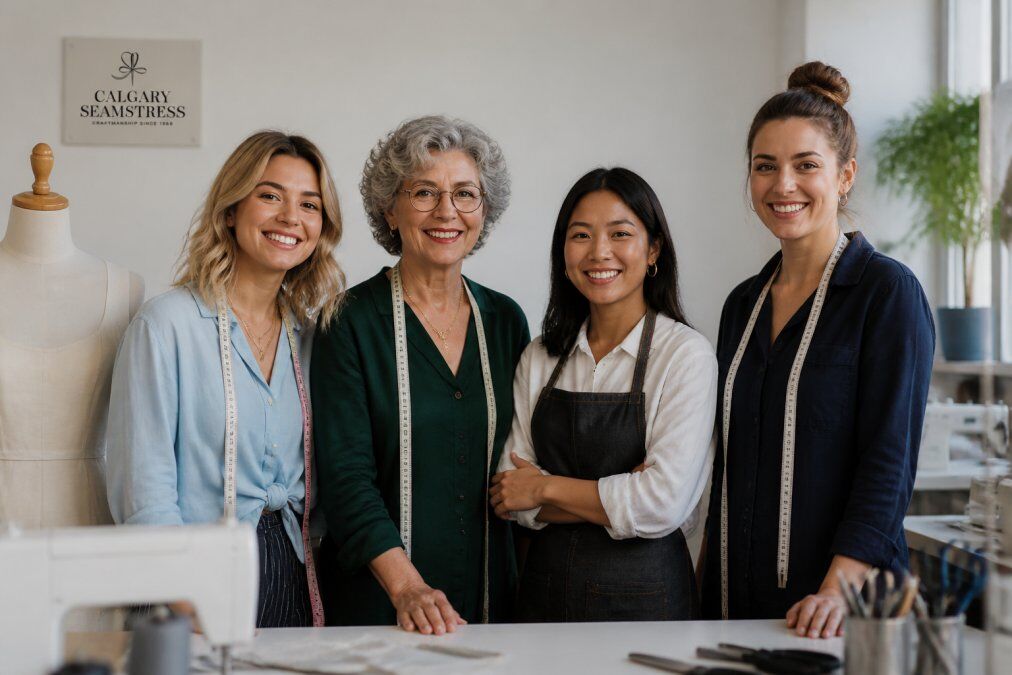
Calgary Seamstress exemplifies these qualities. The team specializes in wedding dress alterations, suit tailoring, and custom garment design, complex work that separates experts from amateurs. Their approach centers on understanding each client’s needs and delivering garments that fit flawlessly and reflect personal style.
A seamstress who asks detailed questions during your first consultation is likely the one you want. She’s gathering information to do the job right, not rushing through an intake process.
Wedding Dress Alterations: Finding the Right Fit
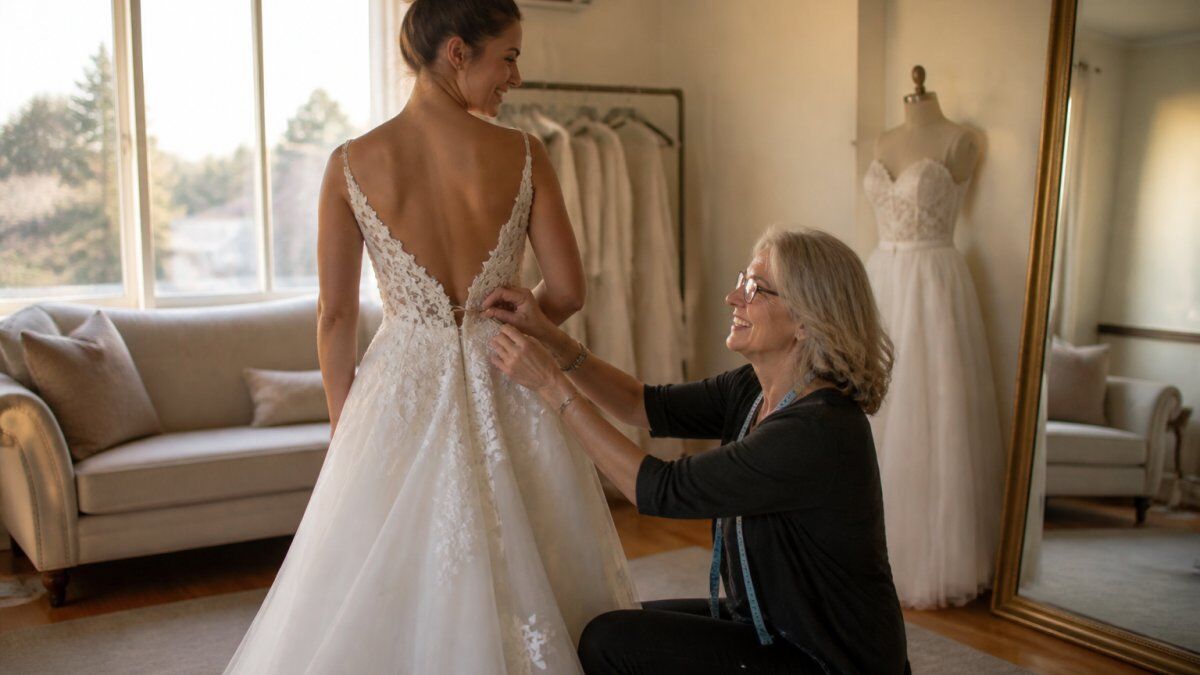
Wedding dress alterations demand a particular skill set that not every seamstress possesses. Your dress is typically the most expensive garment you’ll ever own, and the stakes feel enormous. Wedding dress fabric, often delicate lace, silk, or tulle, requires specialized handling (the American Academy of Dermatology). A single mistake can’t simply be undone without visible damage.
Ideally, have your dress altered between 4-6 weeks before your wedding. This window provides enough time for multiple fittings if adjustments are needed, but not so much time that your body changes significantly before the big day.
When you bring your wedding dress in, wear the undergarments and shoes you’ll wear on your wedding day. This fundamentally changes how the dress hangs. The best rated seamstress in Calgary will insist on this. She’ll also ask about your hairstyle, whether you’re wearing a veil, and how you plan to move in the dress.
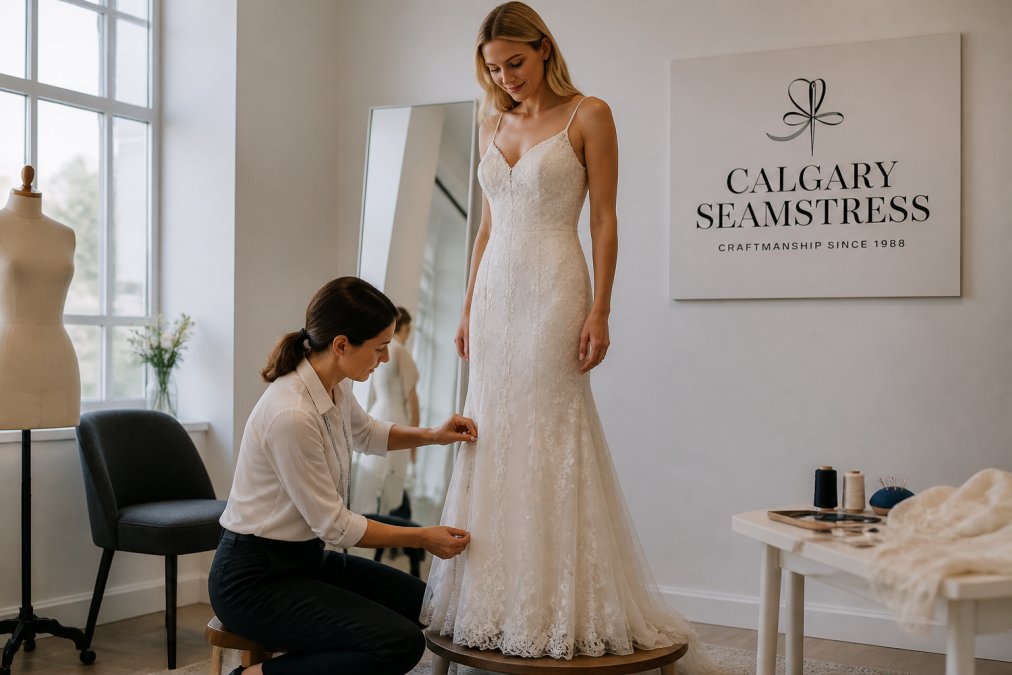
Common alterations include hemming, taking in or letting out seams, adjusting bust or waist, shortening or lengthening straps, and adding structure. More complex work might involve adding or removing beading, repairing damaged lace, or restructuring the bodice. Ask specifically whether the seamstress has worked with your dress style before, a ballgown requires different techniques than a sheath dress.
Your wedding dress should feel like it was made for you. If after alterations it still feels off, speak up and ask for adjustments.
How to Choose a Tailor for Formal Wear
Formal wear, tuxedos, evening gowns, cocktail dresses, requires a tailor who understands how these garments are supposed to fit and move. The fit needs to be precise, the lines clean, and the overall presentation polished.
Start by asking for examples of previous work. The best tailors maintain a portfolio of before-and-after photos showing suits, dresses, and formal separates they’ve altered. Photos reveal whether the seamstress understands proportion, balance, and how to maintain the integrity of formal garments.
Experience matters significantly. How long has this person been doing this work? Have they worked with your specific garment type? A tailor who’s spent years on formal wear has encountered nearly every scenario and can handle challenges without compromising the design.
Ask about their approach to specific challenges. For a gown, how will they handle the hem? For a suit jacket, how do they handle the lining when adjusting length? These technical details reveal whether you’re working with someone who thinks carefully about their craft.
Location and convenience matter too. If the tailor is easily accessible, you’re more likely to do fittings properly. For formal wear, multiple fittings often improve results.
Avoid tailors who promise to “fix anything” or seem overconfident about difficult alterations. The best professionals are honest about what is possible and what isn’t.
Professional Suit Tailoring: Precision and Craftsmanship
A well-tailored suit transforms how you look and feel. Off-the-rack suits fit an average body, which means they rarely fit anyone perfectly. Professional suit tailoring adjusts the garment to your specific proportions, creating a finished product that looks intentional and expensive.
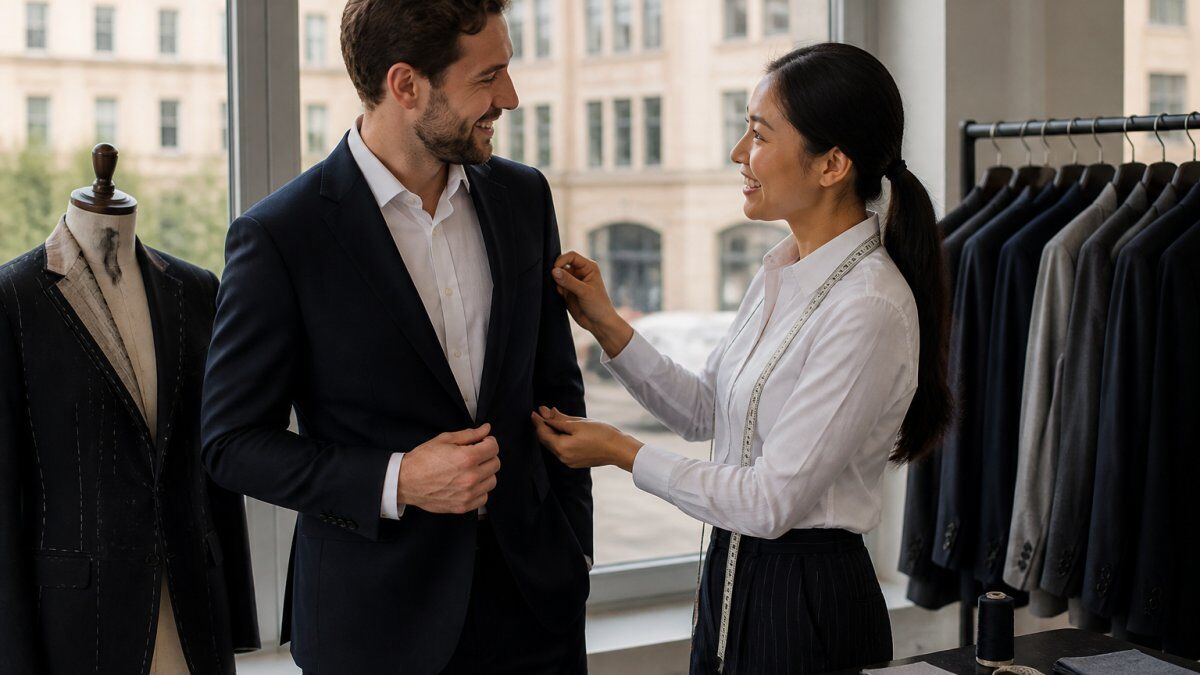
The most common suit alterations include hemming pants, taking in or letting out jacket sides, adjusting jacket length, tapering sleeves, and adjusting the waist. More involved work might include restructuring the shoulder or completely rebuilding the lining.
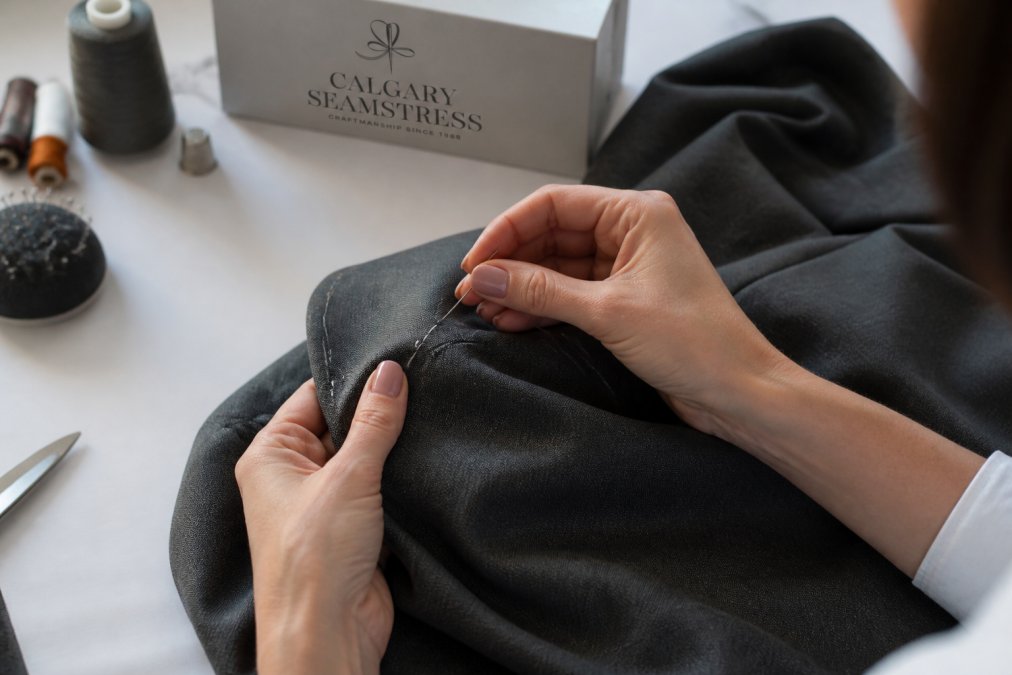
Pant hemming reveals a lot about a tailor’s skill level. The hem should be even all the way around, with a slight break at the shoe. The stitching should be nearly invisible. A tailor who hand-stitches hems typically produces better results than one who uses only a machine (peer-reviewed research).
Jacket alterations demand more expertise. Taking in the sides requires understanding how the jacket hangs and maintaining its shape. The best tailors make minimal adjustments that preserve the original design while improving fit.
Sleeve length requires particular attention. The jacket sleeve should end at your wrist bone when your arms hang naturally, typically showing about half an inch of shirt cuff (the American Academy of Dermatology). Adjusting sleeve length involves opening the lining, removing stitches, hemming the sleeve, and resewing the lining.
When seeking professional suit tailoring in Calgary, ask about turnaround time. Calgary Seamstress offers rush service when needed, but standard timelines ensure the work receives proper attention.
Custom Garment Design and Bespoke Services
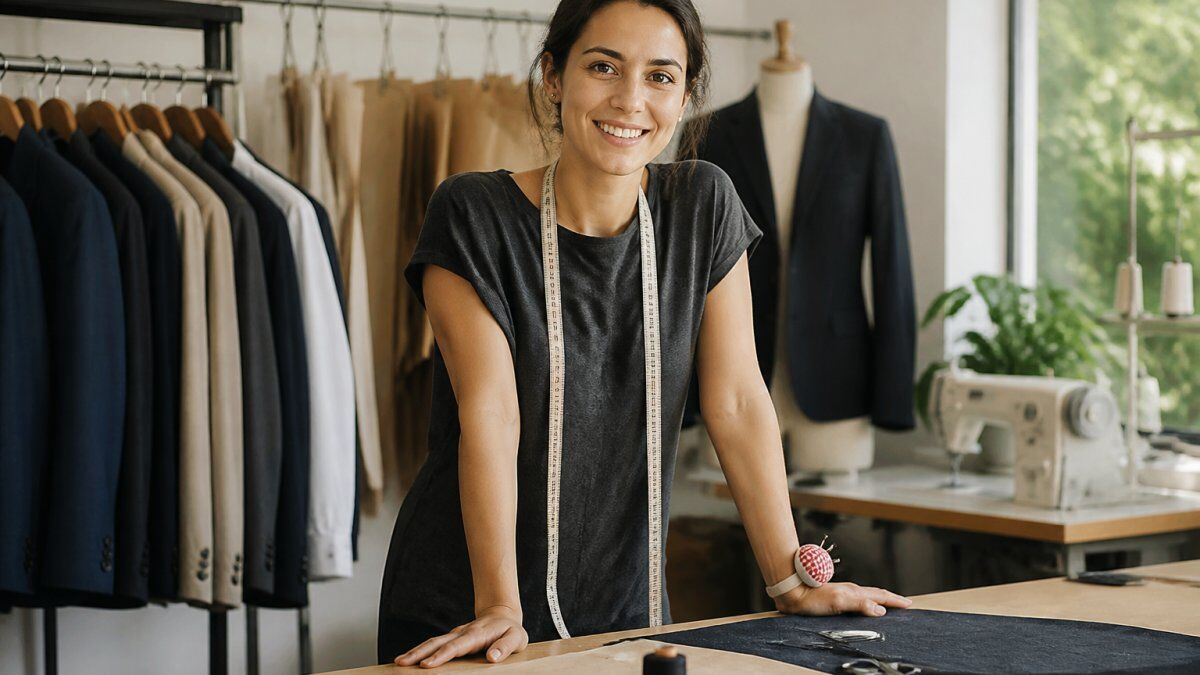
Custom garment design represents the highest level of seamstress work. Rather than altering an existing piece, a bespoke seamstress creates a garment from scratch based on your specifications, preferences, and body measurements.
The custom design process begins with a detailed consultation. You’ll discuss your vision, preferred styles, fabric choices, and intended use. A skilled designer asks questions that help clarify your vision even if you can’t articulate it perfectly.
Pattern-making is where design becomes technical. The seamstress creates a custom pattern based on your measurements and the design you’ve discussed. A well-made pattern is crucial, it determines whether the finished piece will fit properly and look intentional.
Fabric selection matters enormously for custom garments. A skilled designer understands how different fabrics behave and which ones suit different designs. She guides these decisions, drawing on experience with hundreds of fabrics and designs. quality fabric suppliers.
Many people hesitate about custom design because they’re unsure what they want. This is exactly why working with an experienced designer helps. She’ll ask questions, show examples, and help you discover what you’re actually looking for.
Calgary Seamstress offers custom garment design services, bringing this expertise to clients with unique needs. Whether you’re envisioning a specific dress design, need professional pieces tailored to your exact specifications, or want something that reflects your individual style, custom design transforms ideas into wearable reality.
Anyone with a clear vision of what they want but unable to find it in retail, people with challenging body proportions that make off-the-rack clothes difficult to fit, and those seeking truly unique pieces that reflect personal style.
Everyday Alterations and Repairs You Can Trust
Not every alteration is complex or expensive. Everyday work, hemming pants, replacing zippers, taking in jeans, shortening sleeves, forms the backbone of most seamstress businesses and keeps your favorite pieces wearable.
Pants hemming is perhaps the most common alteration. A proper hem requires accurate measurement, careful stitching, and attention to the original hem style. The best seamstresses preserve the original finish rather than imposing their own preference.
Zipper replacement is another frequent request. A broken zipper can render an otherwise perfect garment unwearable. For jackets and structured garments, this work demands precision. For jeans, it’s more straightforward but still requires skill to match the original stitch pattern.
Taking in jeans at the waist or sides requires understanding how jeans are constructed. The best seamstresses work with the original construction rather than against it.
Sleeve shortening on shirts, blouses, and jackets makes an enormous difference in how garments fit. Many people wear sleeves that are too long simply because they’ve never had them adjusted.
The best rated seamstress in Calgary doesn’t dismiss everyday repairs as beneath her attention. She understands that a customer who trusts her with simple work is more likely to return for complex projects.
Why Local Expertise Matters
Choosing a local seamstress in Calgary rather than using a large chain offers distinct advantages. A local professional has a reputation within the community. She can’t hide poor work; clients talk, and word spreads quickly. This accountability creates incentive for quality that faceless corporations lack.
Local seamstresses often develop deep expertise in specific areas. They learn which fabrics behave predictably, which alterations work well, and which designs suit their client base. They build relationships with local fabric suppliers and understand what materials are available in the area.
Supporting a local business means supporting your community. Money spent at Calgary Seamstress stays in Calgary rather than flowing to a distant corporation. For many people, this matters as much as the quality of the work itself.
Accessibility is another advantage. If something goes wrong or needs adjustment, you can visit in person and discuss it face-to-face. You’re not navigating a customer service phone line or waiting for email responses.
A local seamstress also understands local needs and preferences. She knows what styles work for your climate, what fabrics are practical for your weather, and what occasions are common in your community.
Calgary Seamstress operates as a local business embedded in the community. Located in Calgary Southcentre Mall, the team brings years of experience serving local clients. They understand the specific needs of people in Calgary, from wedding season demands to professional dressing standards to everyday wear.
Finding the right seamstress transforms how your clothes fit and feel. Whether you need wedding dress alterations, professional suit tailoring, custom design work, or everyday repairs, the best rated seamstress in Calgary combines technical skill with genuine care for your garments. Calgary Seamstress brings specialized expertise in wedding dress alterations, custom garment design, and precision tailoring, with rush service available when timelines are tight. Make an appointment online to discuss your specific needs and discover how professional tailoring can transform your wardrobe.
Frequently Asked Questions
Q: How much does wedding dress alteration cost?
A: Wedding dress alteration pricing depends on the complexity of changes needed, the fabric type, and the timeline. Simple hemming costs less than restructuring bodices or adding sleeves. For accurate pricing on your specific wedding dress alterations, contact a seamstress directly with details about what needs adjusting. Many offer free consultations to assess your garment and provide a quote.
Q: What should I bring to my first tailoring consultation?
A: Bring the garment you need altered, wear similar undergarments and shoes you'll wear with the finished piece, and have clear ideas about what changes you want. Bring reference photos if you have them, measurements if relevant, and any specific concerns about fit. A good tailor will ask questions, listen carefully, and may suggest adjustments you hadn't considered based on their expertise.
Q: How long does suit tailoring typically take?
A: Standard suit alterations usually take 2-3 weeks, though this varies by the seamstress's workload and the complexity of changes. Many tailors offer rush services for an additional fee if you have an urgent deadline. Always confirm turnaround time during your consultation, especially if you have a specific event date in mind.
Q: Can a seamstress help me with custom garment design if I don't have a finished design?
A: Yes, experienced seamstresses often work with clients to develop designs from ideas, inspiration photos, or descriptions. Bring examples of styles you like, explain your vision, and discuss your lifestyle and comfort needs. A skilled designer-seamstress will ask clarifying questions, suggest fabrics and construction methods, and may sketch or show samples before cutting fabric.
This article was written using GrandRanker