Table of Contents
- Why Professional Wedding Dress Alterations Matter
- Understanding Wedding Dress Alteration Cost
- Key Qualities to Look for in a Bridal Tailor
- Bridal Fitting Timeline: When to Start and What to Expect
- Questions to Ask Your Wedding Seamstress
- What to Bring to Your First Fitting
- The Importance of the Final Fitting
- Common Mistakes to Avoid When Choosing an Alterations Professional
Last Updated: August 23, 2026
Why Professional Wedding Dress Alterations Matter
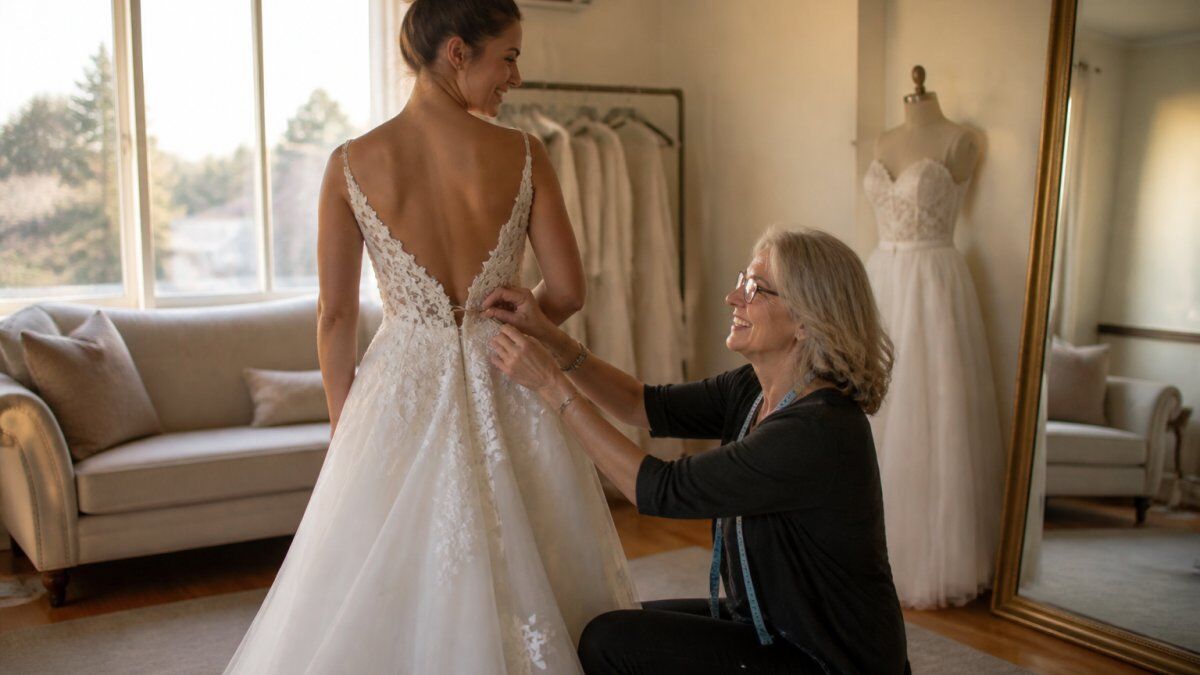
Your wedding dress is the centerpiece of one of the most important days of your life. Professional wedding dress alterations aren’t just about fit; they preserve your gown’s integrity while transforming it into something uniquely yours.
Most brides purchase dresses close to their size, not exact. The difference between a dress that hangs awkwardly and one that moves with you is the work of a skilled tailor. When you invest in professional alterations, you’re investing in confidence, the ability to move, sit, and dance without thinking about how your gown looks.
Wedding dresses are constructed with delicate fabrics, intricate beading, and complex seaming that require specialized knowledge (peer-reviewed research). A mistake on your wedding gown can be catastrophic. This is why choosing the right professional matters. At Calgary Seamstress, we understand that your dress tells a story. Every alteration should enhance your vision without compromising the dress’s original design.
Understanding Wedding Dress Alteration Cost
Professional wedding dress alterations typically range from modest adjustments to significant reconstructions, with pricing reflecting complexity involved.
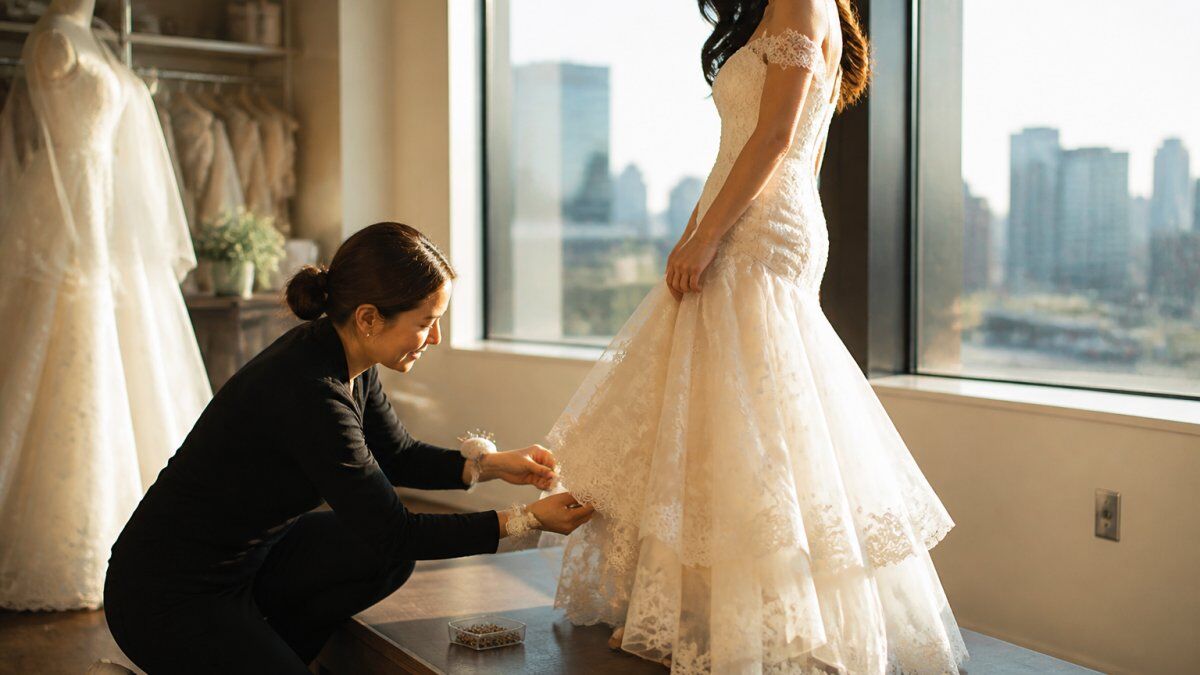
Simple alterations like hemming or taking in seams cost less than intricate work like repositioning straps, adding sleeves, or repairing delicate beading. A basic hem costs less than adjusting a bodice with appliqués or beading, which requires more time and skill.
When budgeting, account for hidden costs. Rush fees apply if you need quick completion. Multiple fitting appointments may incur additional charges. Specialty work like replacing zippers, reinforcing seams, or repairing damaged lace costs more than standard hemming.
Get a detailed estimate in writing before committing. A reputable professional will break down costs by alteration type and clarify whether the price includes multiple fittings or if additional appointments cost extra. Ask about rush service availability and premiums.
Don’t choose based solely on lowest price. A seamstress who significantly undercuts competitors may cut corners on quality. Look for pricing that aligns with their experience level and the complexity of your work.
Key Qualities to Look for in a Bridal Tailor
Not all seamstresses are equipped to handle bridal work. Wedding dresses demand a specific skill set beyond general tailoring.
A bridal tailor should have documented experience with wedding gowns specifically. Ask how long they’ve done bridal work and how many wedding dresses they alter annually. A seamstress handling dozens of bridal gowns each year has seen nearly every scenario.
Communication matters more in bridal alterations than any other tailoring work. Your seamstress needs to listen carefully to your vision, ask clarifying questions, and explain recommendations clearly. During your first consultation, notice whether they ask about your vision or simply tell you what they’ll do.
Attention to detail separates exceptional bridal tailors from competent ones. Wedding dresses have intricate construction, multiple layers, delicate fabrics, beading, lace appliqués, and complex seaming. A tailor who rushes through fittings will miss opportunities to perfect your fit.
Experience with Delicate Fabrics and Beading
Wedding gowns are often made from fabrics demanding specialized handling. Silk charmeuse, tulle, lace, and satin require different techniques than cotton or polyester. A seamstress unfamiliar with delicate fabrics can damage them irreparably.
Beading and embellishment work is particularly specialized. Repositioning beads, repairing damaged sections, or adding new embellishments requires steady hands and an artistic eye. Ask potential tailors specifically about their experience with beaded gowns and request examples of similar work.
Portfolio and Customer References
A professional wedding dress alterations specialist should have a portfolio of completed work. Ask to see before-and-after photos showing clean seaming, proper hemlines, and well-executed adjustments across a range of dress styles and body types.
Request references from recent clients. When you call references, ask whether the tailor listened to concerns, if you were happy with results, whether work stayed within budget, and if you’d recommend them.
Online reviews provide insight but aren’t the whole picture. One negative review among dozens of positive ones might indicate an isolated incident. Multiple reviews citing similar problems like missed deadlines or poor communication are red flags.
Bridal Fitting Timeline: When to Start and What to Expect
Timing is critical when planning professional wedding dress alterations. Start too late and you’ll face rush fees or incomplete work. Start too early and you might need additional fittings as your body changes.
Ideally, begin three to four months before your wedding (theknot.com). This timeline gives your seamstress adequate time without rushing and allows for multiple fittings if adjustments are needed. Many tailors offer expedited service for sooner weddings, though this typically costs more.
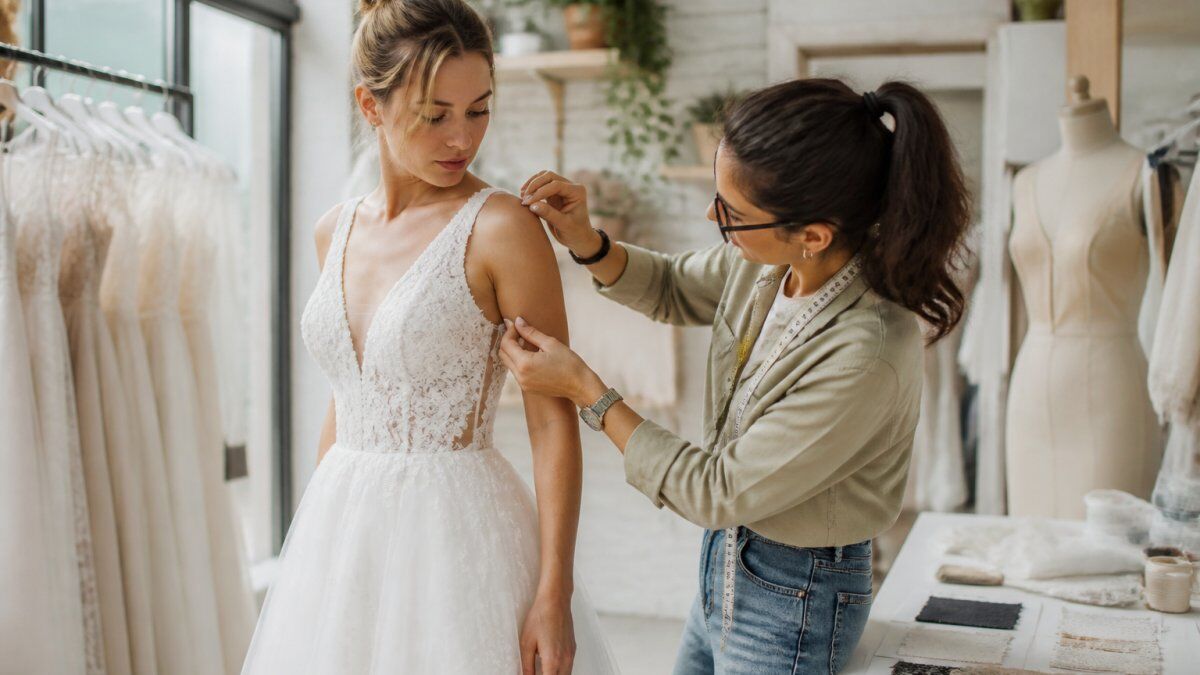
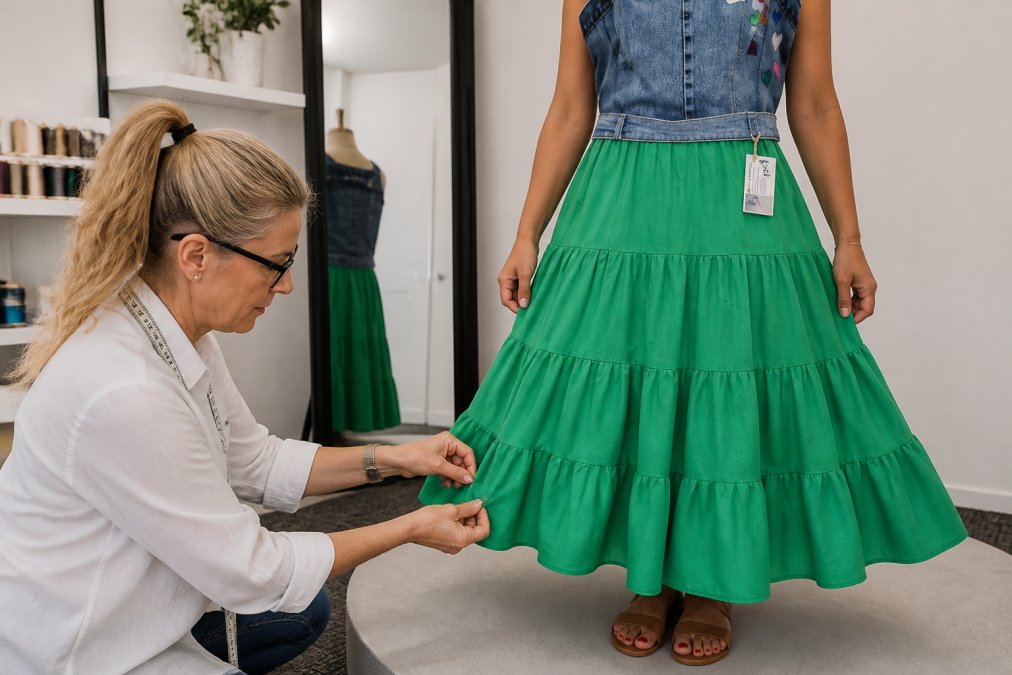
Your first fitting should happen as soon as you’ve purchased your dress and decided on major design changes. Bring the dress, wedding-day undergarments, and shoes with your intended heel height. Your seamstress will assess fit, discuss alterations needed, and take detailed measurements. identifying quality craftsmanship.
A typical alteration timeline includes an initial fitting, one or two follow-up fittings as work progresses, and a final fitting close to your wedding date. The final fitting should happen within two weeks of your wedding, when the dress should be complete and ready to wear.
Questions to Ask Your Wedding Seamstress
Asking the right questions during your initial consultation reveals whether a seamstress is right for your project.
Start with experience-focused questions: How many wedding dresses do you alter annually? How long have you done bridal work? What’s the most complex alteration you’ve tackled? These answers indicate whether you’re working with someone who specializes in bridal gowns.
Ask about their process: What’s included in your initial consultation? How many fittings do you typically schedule? Do you provide written estimates before starting work? What happens if I want changes after we’ve started?
Clarify communication and availability: How do you prefer clients to reach you? How quickly do you respond to messages? What’s your turnaround time? Are you available during times that work for my schedule?
Ask about guarantees: What if I’m unhappy with the work? How do you handle requests for changes after alterations are complete? A professional confident in their skills will have straightforward answers.
Discuss pricing explicitly: Can you provide an itemized estimate for each alteration? Are there additional costs? Do you charge for fittings? What’s your rush fee? Getting everything in writing prevents surprises.
Finally, ask about experience with your specific dress: Have you altered dresses like mine before? Do you have photos of similar work? What challenges do you anticipate with this gown?
What to Bring to Your First Fitting
Preparation for your first fitting ensures you get accurate measurements and realistic expectations.
Wear the undergarments you’ll wear on your wedding day. Your bra, shapewear, and other undergarments affect how the dress sits. If you haven’t purchased wedding-day undergarments yet, buy them before your first fitting.
Bring the shoes you’ll wear with your dress, or shoes with the same heel height. Heel height changes your posture and how your dress hangs, especially at the hem.
Bring any jewelry or accessories you’ll wear, particularly if they’re heavy or affect how the dress drapes. A statement necklace or beaded belt changes the dress’s line.
Bring reference photos if you have a specific vision for alterations. Visual references prevent miscommunication.
Bring any documentation related to your dress, receipt, designer information, or care instructions. This helps your seamstress understand the dress’s construction and special fabric considerations.
Arrive early enough to allow time for a thorough fitting without rushing. Take notes on what alterations you’ve agreed to, estimated cost, and completion timeline.
The Importance of the Final Fitting
The final fitting is where everything comes together. This is your last opportunity to ensure your dress is absolutely perfect before you walk down the aisle.
During the final fitting, your dress should be complete or nearly complete. Your seamstress will do a full inspection, checking that the hem is even, seams are secure, and all alterations meet your expectations. This is the time to speak up if anything doesn’t feel right.
The final fitting typically happens one to two weeks before your wedding, allowing your seamstress to make last-minute adjustments if needed (brides.com).
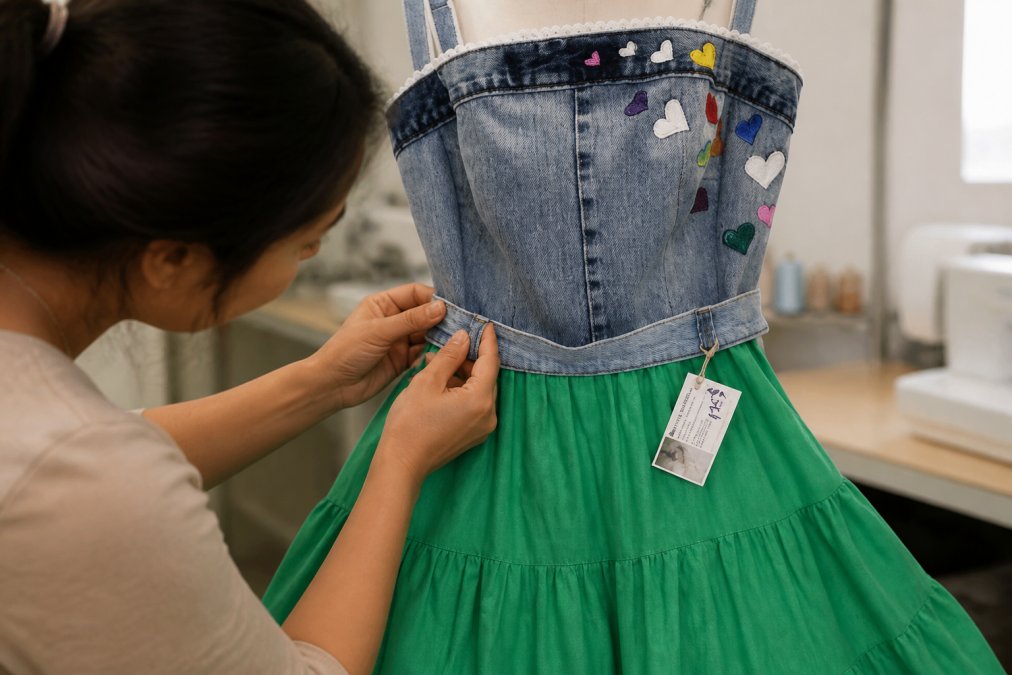
Pay attention to how the dress moves. Walk around, sit down, and move your arms. Does the dress feel comfortable? Can you breathe? Is the train the right length? Does the bodice feel secure?
If you’ve gained or lost weight since your previous fitting, mention it. Your seamstress may need to make minor adjustments.
Before you leave, confirm the dress is ready for pickup or delivery and ask about care instructions and storage before your wedding.
Common Mistakes to Avoid When Choosing an Alterations Professional
Many brides make preventable mistakes when selecting someone for professional wedding dress alterations.
The biggest mistake is waiting too long to start. Six weeks before your wedding might feel far away, but it’s cutting it close for complex alterations. Start early and you’ll have options and reasonable pricing.
Choosing based on price alone is another common error. Compare professionals based on experience, portfolio, communication style, and pricing together, not price in isolation.
Failing to communicate clearly about your vision leads to disappointment. Show photos, describe your preferences in detail, and ask questions if you don’t understand recommendations.
Not getting estimates in writing is a recipe for budget surprises. Get an itemized estimate that breaks down costs by alteration type.
Skipping the final fitting or treating it casually is a mistake. This is your last chance to ensure everything is perfect.
Ignoring red flags during your consultation is another pitfall. If a seamstress seems dismissive of your concerns, doesn’t ask questions about your vision, or pressures you to decide quickly, trust your instincts.
Many brides also fail to ask about the seamstress’s experience with their specific dress style or fabric. Ask directly about relevant experience before committing.
Finding the right professional for wedding dress alterations transforms your dress from a good fit to a perfect one. The process requires planning, clear communication, and choosing someone with genuine bridal expertise. Start early, ask detailed questions, and trust a seamstress who listens to your vision while bringing their own professional insight.
When you work with Calgary Seamstress for your professional wedding dress alterations, you’re choosing a team that specializes in bridal gowns and understands the precision your dress deserves. From the initial fitting through final adjustments, we handle delicate fabrics, intricate beading, and complex seaming with meticulous care. Our approach prioritizes your comfort and confidence on your wedding day. Make an Appointment Online to discuss your alteration needs and start the process with professionals who treat your dress like their own.
Frequently Asked Questions
How much should you pay for wedding dress alterations?
Wedding dress alteration cost varies based on the complexity of changes needed. Simple hemming typically costs less than bodice adjustments, lace applique repairs, or extensive customization. Factors affecting price include fabric delicacy, beading density, train length adjustments, and the number of fittings required. Request a detailed estimate after your initial consultation so you understand exactly what work is included. Rush services or emergency alterations may carry additional fees, so discuss your timeline upfront.
How soon before your wedding should you have your dress altered?
Start the alteration process 3 to 4 months before your wedding date. This bridal fitting timeline allows for multiple fittings, any necessary corrections, and final adjustments without stress. If you're purchasing your dress closer to the wedding, prioritize booking a professional seamstress immediately. Most reputable bridal tailors recommend the final fitting within 2 to 3 weeks of your wedding day to account for any last-minute changes or weight fluctuations.
What questions should I ask during a bridal alteration consultation?
Ask about their experience with your dress's fabric type and style, how many fittings are included, their timeline for completion, and their policy on alterations that go wrong. Inquire whether they handle specialized work like beading repair, train length adjustments, and bustle installation. Ask to see examples of previous wedding dress work and request references. Clarify the total cost, payment schedule, and whether rush services are available. Understanding these details upfront prevents surprises and ensures your professional seamstress is the right fit for your needs.
How many fittings are typically required for a wedding dress?
Most brides need 2 to 4 fittings for proper customization and precision fitting. The first fitting establishes measurements and identifies needed adjustments. Subsequent fittings refine the fit, particularly for bodice adjustments, hemline precision, and strap placement. A final fitting close to your wedding day confirms everything is perfect and addresses any last-minute tweaks. The exact number depends on the complexity of alterations and your tailor's process, so confirm this during your initial consultation.
This article was written using GrandRanker