Table of Contents
- What Makes the Best Tailor for Formal Wear
- Wedding Dress Alterations and Gown Fitting
- Suit Tailoring and Custom Suit Construction
- Bespoke vs. Made-to-Measure vs. Standard Alterations
- Questions to Ask a Tailor Before Hiring
- Signs of Quality Tailoring: What to Look For
- Average Cost of Suit Alterations and Formal Wear Services
- Fabric-Specific Care and Garment Longevity
Last Updated: August 16, 2026
What Makes the Best Tailor for Formal Wear
Finding the best tailor for formal wear means understanding the difference between someone who hems pants and someone who transforms garments into precision-fitted pieces. A master tailor approaches formal wear, wedding gowns, tuxedos, evening dresses, suits, with technical precision, intuitive understanding of fabric behavior, and knowledge of how different silhouettes flatter different body types.
What separates a master tailor from an average one is visible in the details: perfectly matched patterns when letting out fabric, hand-stitching that’s invisible from the outside, and an ability to work with luxury materials like silk charmeuse, beaded fabrics, and delicate laces without compromising their integrity. Experience matters tremendously. A tailor who has worked with hundreds of wedding dresses understands the unique challenges of beading, train length, and bodice fit. A tailor experienced in bespoke suit construction knows how to build a jacket from scratch, understanding shoulder pitch, lapel width, and how the garment will drape on your specific frame.
Before committing to any tailor for formal wear, ask to see photos of completed projects. Look for even seams, clean finishes on hems, and garments that maintain their original design intent. Puckered seams, uneven hems, or alterations that change the garment’s silhouette are red flags.
Wedding Dress Alterations and Gown Fitting
Wedding dress alterations represent some of the most demanding work a tailor undertakes. A wedding gown is an emotional investment and centerpiece of one of the most important days of your life. The best tailor understands that precision isn’t optional; it’s essential.
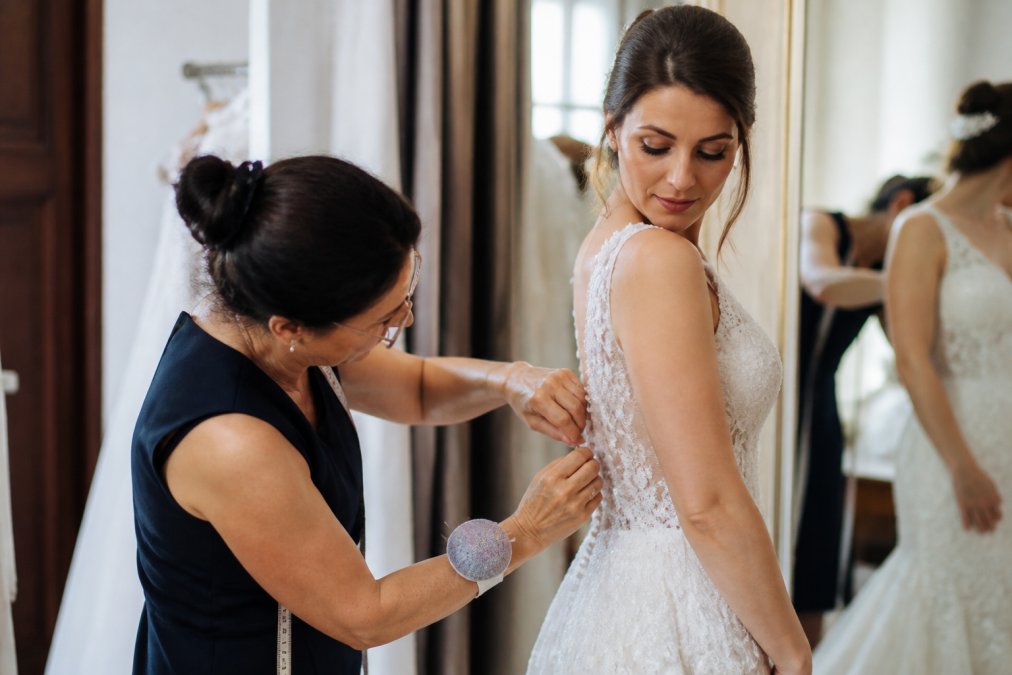
Wedding dress fitting typically involves multiple appointments. The first appointment establishes the baseline: measuring the dress on your body, identifying which areas need adjustment, and discussing your vision. Common alterations include taking in or letting out the bodice, adjusting the length, tapering the waist, and modifying the train. More complex work involves repositioning zippers, adding or removing boning for support, or adjusting the neckline and sleeves.
The challenge with wedding gowns lies in the materials. Beaded fabrics, delicate laces, and silk require different handling than standard dress materials. A tailor working with beaded gowns must carefully remove beads from seam lines before making alterations, then hand-stitch them back afterward. Lace overlays must be matched perfectly so alterations remain invisible.
Calgary Seamstress specializes in Wedding Dress Alterations, understanding the specific demands of formal gown fitting.
Avoid having alterations done less than two weeks before your wedding. Even the most skilled tailor occasionally needs to make minor adjustments after the first wearing, and you want time for those corrections without panic.
Suit Tailoring and Custom Suit Construction
Suit tailoring demands expertise equal to gown fitting. A well-tailored suit transforms how you look and feel in formal settings. The best tailor understands jacket construction, trouser tapering, and how subtle adjustments create dramatic visual impact.
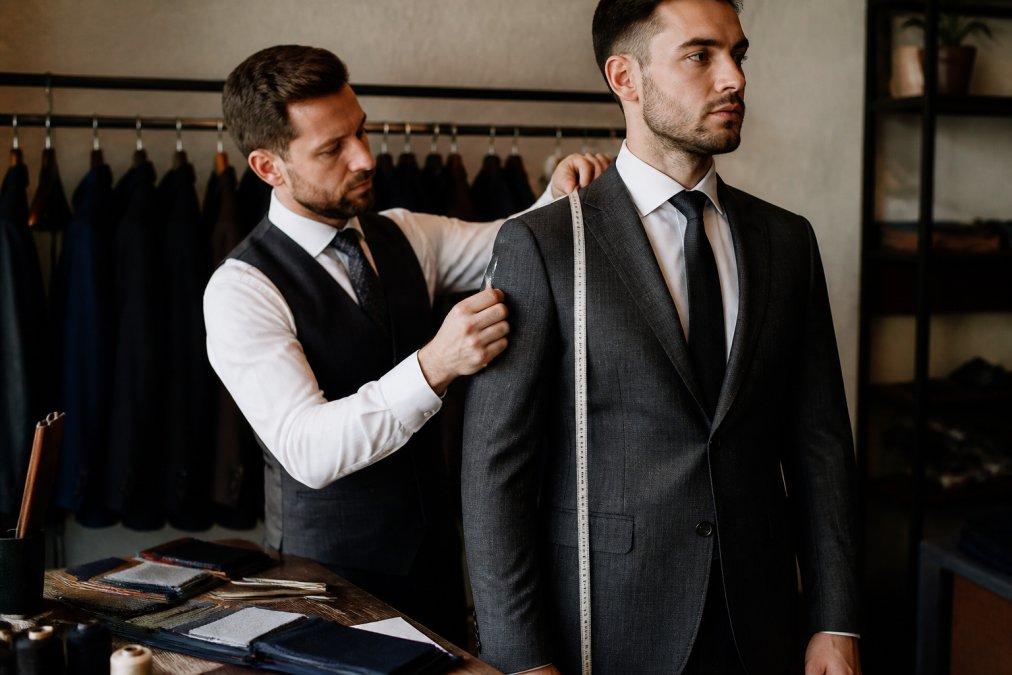
Standard suit alterations include jacket adjustments (shoulders, chest, sleeve length, side seams) and trouser modifications (inseam, outseam, tapering, break at the shoe). What distinguishes a master tailor is the ability to make these adjustments while maintaining the suit’s original design and silhouette.
Custom suit construction represents the highest level of suit tailoring. Rather than modifying an existing garment, a tailor builds a suit from fabric, creating a garment that fits your exact measurements and body shape. Bespoke suit construction typically involves three to five fittings over several weeks. The first fitting uses a muslin prototype to verify the pattern before cutting the final fabric. Subsequent fittings refine the fit, adjust sleeve length, and ensure the jacket and trousers work together cohesively.
The best tailor understands construction techniques: how to build structure into the jacket using interfacing and padding, how to create a smooth chest without pulling, and how to ensure trousers hang correctly from the waist. Hand-stitched details like lapels, buttonholes, and hems elevate a custom suit from good to exceptional.
A custom suit isn’t just about fit, it’s about construction quality. Hand-stitched details, quality interfacing, and proper pressing techniques create suits that last decades and improve with age.
Bespoke vs. Made-to-Measure vs. Standard Alterations
Understanding these three categories clarifies what you’re getting and helps you choose the right approach for your needs.
Standard alterations work with an existing garment you already own. A tailor adjusts the fit by taking in or letting out seams, hemming, or tapering. This is the most affordable option and works well for garments that are close to fitting correctly.
Made-to-measure garments are constructed to your measurements from a base pattern. The tailor takes your measurements, selects a pattern that closely matches your proportions, then adjusts that pattern to your exact measurements before cutting and constructing the garment. This approach offers more customization than standard alterations and typically costs more but less than full bespoke work.
Bespoke tailoring creates a completely custom pattern based on your body, preferences, and style. A bespoke tailor measures you in detail, discusses your style preferences extensively, and creates an original pattern. This pattern becomes your personal template for future garments. Bespoke work is the most expensive option but offers complete customization and the highest quality construction.
For wedding formal wear, many brides choose made-to-measure or bespoke options if having a custom dress created. For existing wedding dresses, standard alterations are the norm. For grooms and groomsmen, made-to-measure suits offer an excellent middle ground between affordability and customization.
Questions to Ask a Tailor Before Hiring
Before committing to any tailor for formal wear, ask these specific questions. The answers reveal whether you’re working with someone who understands the demands of formal garment work.
On experience and specialization: Ask how many years they’ve worked with formal wear specifically and about their experience with your exact type of garment. Ask if they have photos of completed projects you can review.
On timeline and availability: Ask how long alterations typically take for your specific project and whether they can accommodate rush services. Ask what their policy is on rush fees.
On the fitting process: Ask how many fittings they typically include and whether fittings are included in the quoted price. Ask what happens if adjustments are needed after the first wearing.
On fabric handling: Ask about their experience with your garment’s specific fabric. Ask whether they do hand-stitching for hems and seams or use machines. For formal wear, hand-stitching typically produces superior results.
On communication and collaboration: Ask how they approach the fitting process. Do they listen to your preferences, or do they make decisions based on their own judgment? The best tailor balances expertise with respect for your vision.
On guarantees and revisions: Ask what their policy is if you’re unhappy with the completed alterations and whether they offer revisions at no charge or if there’s a revision fee.
Brides with complex wedding dress alterations, professionals needing multiple suit adjustments, and anyone with high-end or delicate garments requiring meticulous handling.
Signs of Quality Tailoring: What to Look For
Quality tailoring is visible in specific details. When evaluating a tailor’s completed work, look for these indicators of craftsmanship.
Seam quality is the first sign of quality work. Seams should be straight, even, and appropriately finished. On formal wear, seams should be hand-stitched when visible. Puckered seams or uneven tension indicate poor work.
Hem finishing reveals a tailor’s attention to detail. On formal wear, hems should be hand-stitched with nearly invisible stitches and hang evenly with consistent width throughout.
Pattern matching matters on garments with prints or patterns. When a tailor makes alterations on patterned fabric, the pattern should align properly across seams. On beaded or embellished gowns, the beading should flow seamlessly across altered areas.
Pressing and finishing distinguish excellent work from adequate work. Garments should be properly pressed after alterations, with seams flat and edges crisp.
Construction integrity means the tailor has preserved the garment’s original design and function. A jacket that’s been altered should still move properly. A dress that’s been taken in should still have the same silhouette and drape as originally intended.
Average Cost of Suit Alterations and Formal Wear Services
Understanding typical pricing helps you budget for formal wear alterations and recognize when quotes seem unusually high or suspiciously low.
Pricing for formal wear alterations depends on several factors: the complexity of the work, the materials involved, the tailor’s experience level, and your location. A simple hem on trousers costs significantly less than repositioning a jacket’s shoulders or reconstructing the bodice of a beaded wedding gown. Rush services typically carry additional fees, expect to pay 25-50% more for rush turnaround.
For wedding dress alterations, pricing typically ranges based on the work involved. Simple adjustments like hemming or taking in side seams fall on the lower end. Complex work, repositioning zippers, adding or removing beading, reconstructing bodices, or working with delicate laces, costs substantially more.
Custom suit construction and bespoke tailoring represent the highest investment. These services include multiple fittings, custom pattern creation, and high-quality construction.
Rather than focusing on finding the cheapest option, focus on finding the best tailor for formal wear within your budget. Request quotes from multiple tailors and compare based on the complete package rather than the headline number alone.
Beware of tailors who quote unusually low prices for complex formal wear work. Quality alterations to wedding dresses or custom suits require time and expertise. A price that seems too good to be true usually reflects corners being cut somewhere.
Fabric-Specific Care and Garment Longevity
The best tailor for formal wear understands that their job doesn’t end when the garment leaves the shop. How you care for the garment afterward determines how long the alterations last and how well the garment maintains its appearance.
Different fabrics require different care approaches. Silk is delicate and requires careful handling; dry cleaning is typically recommended rather than home washing. Beaded or embellished fabrics need special care to avoid damaging the embellishments. A quality tailor will provide care instructions with your completed alterations.
Garment longevity depends on several factors: the quality of the original construction, the quality of the alterations, the fabric type, and how the garment is cared for. A well-made suit with quality alterations can last decades if properly maintained. A wedding dress that’s been expertly altered and properly stored can be preserved for future generations or repurposed into other garments.
Calgary Seamstress approaches formal wear alterations with the understanding that you’re extending the life of a garment you value. We focus on meticulous craftsmanship that preserves the garment’s integrity while achieving the perfect fit. Our team handles complex alterations like zippers, cuffs, and original jean hems with the same precision we bring to every project.
Finding the best tailor for formal wear means prioritizing expertise, precision, and genuine partnership over convenience or lowest cost. Your wedding dress, formal suit, or special occasion garment deserves someone who understands the demands of formal wear and approaches each project with meticulous craftsmanship. The right tailor transforms not just how your garment fits, but how you feel wearing it. Professional tailoring standards and craftsmanship emphasize the importance of specialized training for formal wear work. When you’ve found someone whose work demonstrates quality finishing, who listens to your preferences, and who stands behind their work, you’ve found the best tailor for formal wear. Make an appointment with Calgary Seamstress to discuss your formal wear needs and experience the difference that expert tailoring makes.
Frequently Asked Questions
What should I expect to pay for formal wear alterations?
Pricing for formal wear services depends on the complexity of the alterations, the fabric type, and the garment itself. Wedding dress alterations typically involve more work than standard suit adjustments due to delicate fabrics and construction. Rather than guess at costs, contact a local tailor for a consultation and quote based on your specific needs. This ensures you understand exactly what's involved before committing.
What questions should I ask a tailor before hiring them?
Ask about their experience with your specific garment type (wedding dresses, formal suits, etc.), turnaround time, whether they offer rush services, and if they can show examples of previous work. Inquire about their process for fit assessment and whether they offer multiple fittings. Ask how they handle complex alterations like invisible zippers or tapering seams. Understanding their approach to quality assurance and their communication style helps ensure they'll listen to your needs.
How can I spot a tailor with quality craftsmanship?
Signs of quality tailoring include hand-stitched seams that are straight and even, proper seam finishing that prevents fraying, and garments that maintain their original silhouette after alterations. A quality tailor will take precise measurements, offer detailed consultations, and ask clarifying questions about your preferences. Request to see photos of completed projects, particularly formal wear. Poor quality shows as puckered seams, visible machine stitching where hand-work is expected, or alterations that distort the garment's fit.
What's the difference between bespoke tailoring and made-to-measure?
Bespoke tailoring involves a master tailor creating a completely custom garment from scratch, typically requiring multiple fittings and pattern adjustments specific to your body. Made-to-measure starts with an existing pattern that's adjusted to your measurements. Standard alterations modify an existing garment you already own. Bespoke offers the highest level of customization and precision but requires more time and investment. Made-to-measure balances personalization with efficiency.
How long does formal wear tailoring typically take?
Standard alterations for formal wear usually take 2-4 weeks depending on the tailor's schedule and the complexity of the work. Wedding dress alterations may take longer due to the delicate nature and multiple fittings required. Many tailors offer rush services for an additional fee if you need faster turnaround. Bespoke garment construction takes significantly longer, sometimes 8-12 weeks or more. Always confirm the timeline during your initial consultation, especially if you have an event deadline.
This article was written using GrandRanker