Table of Contents
- What Expert Wedding Dress Alterations Involve
- Average Cost of Wedding Dress Alterations
- Wedding Dress Fitting Timeline: Planning Your Appointments
- What to Bring to Your Bridal Fitting
- Common Wedding Dress Adjustments Explained
- Choosing a Professional Bridal Seamstress
- Post-Wedding Dress Preservation and Care
- Conclusion
Last Updated: August 13, 2026
What Expert Wedding Dress Alterations Involve
Expert wedding dress alterations transform a gown from off-the-rack to custom-fitted perfection, combining precision tailoring, fabric expertise, and understanding of bridal construction. At Calgary Seamstress, the focus is on creating garments that fit flawlessly while preserving the integrity and beauty of the original design.
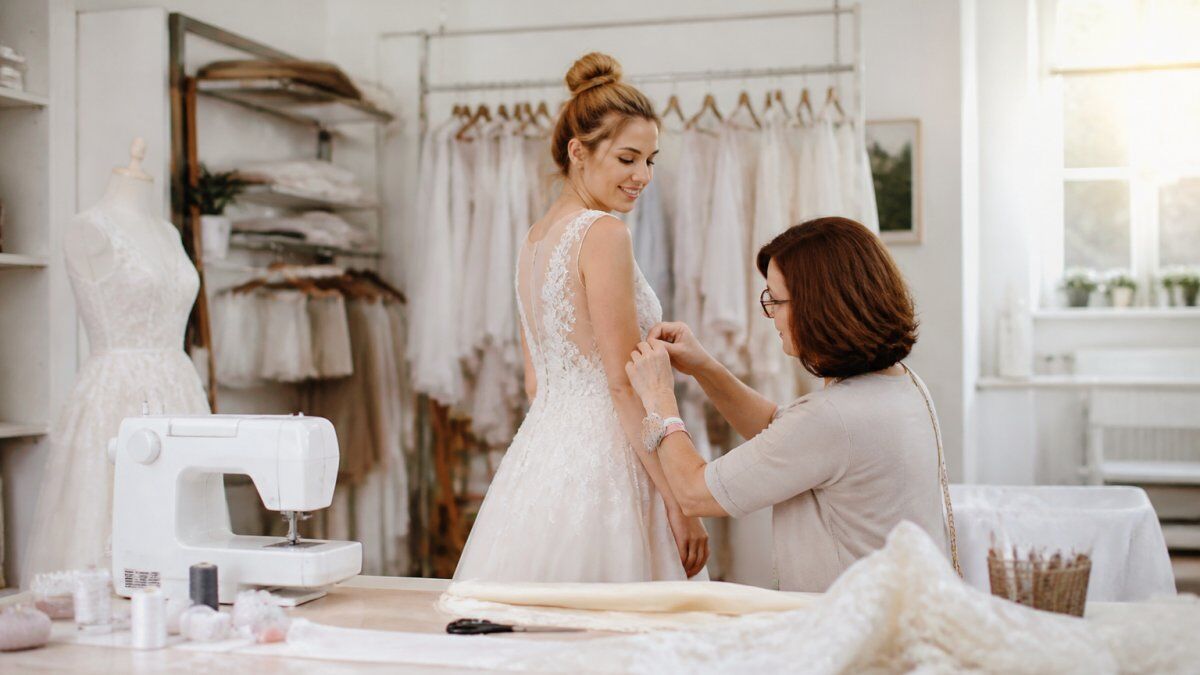
A bridal seamstress evaluates the entire silhouette, from bodice and waist to hem and train, ensuring every seam aligns with your body. This involves understanding how fabric drapes, how beadwork and lace appliqué sit on your frame, and how the dress moves when you walk. The process begins with a detailed assessment: your seamstress examines construction, identifies stress points, and determines which adjustments will have the most impact. A bodice that gaps might need a take-in or corset back for support; a train that’s too long is carefully shortened while maintaining original proportions and decorative elements.
What distinguishes expert alterations is preservation of your dress’s original design. A skilled bridal seamstress understands garment construction at a level that allows them to work with complex fabrics, silk, tulle, organza, and heavily beaded materials, without compromising integrity. They know how to reinforce seams, manage stretch fabrics, and handle delicate embellishments.
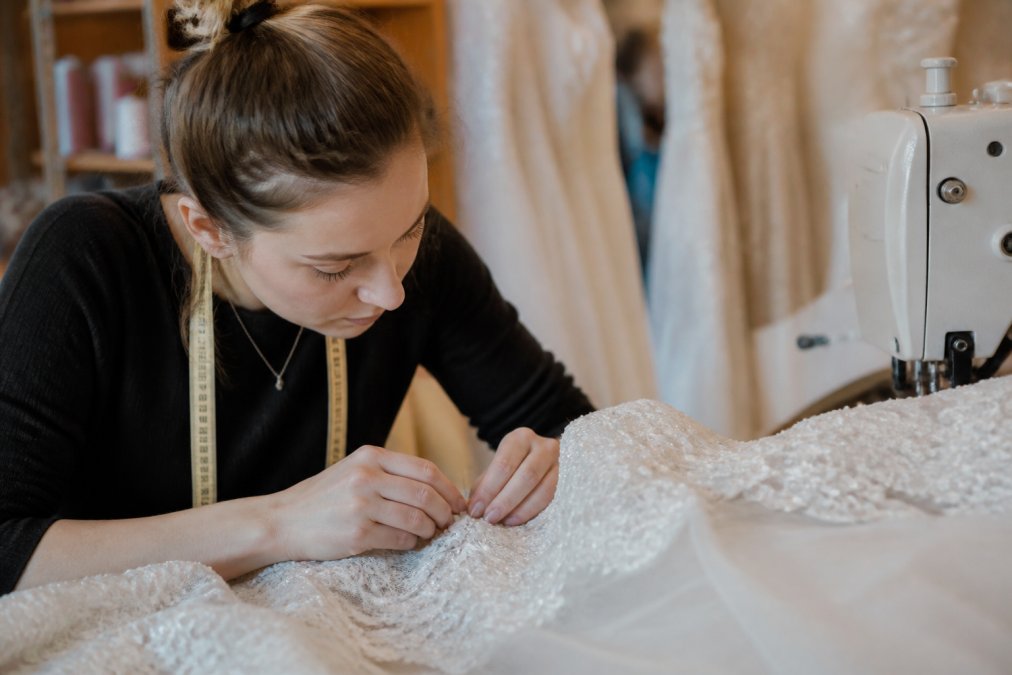
Request a consultation that includes a detailed assessment of all potential alterations, not just the obvious ones. A professional seamstress will identify adjustments you might not have considered, like adding a bustle, adjusting the zipper for comfort, or reinforcing the neckline, that can significantly improve how the dress feels and looks on your wedding day.
Average Cost of Wedding Dress Alterations
The cost of wedding dress alterations varies significantly depending on complexity, fabric type, and the number of adjustments needed. Basic alterations like a simple hem or straightforward side seam take-in cost less than complex work, but wedding dresses often require more involved adjustments than everyday garments. Beadwork must be carefully removed and reapplied, lace appliqué must be matched and repositioned, and delicate fabrics demand specialized handling.
A comprehensive alteration package commonly includes hemming, bodice adjustments, strap modifications, and bustle addition, representing a significant investment that reflects expertise and time required. When evaluating quotes, consider what’s included. A lower price might mean fewer alterations or less detailed work; a higher price might reflect the seamstress’s experience with high-end fabrics and intricate designs. Prioritize expertise over price alone.
Professional wedding dress alterations are an investment in how you feel on your wedding day. The cost reflects the skill required to work with delicate fabrics, preserve original design elements, and ensure a perfect fit. Budget accordingly and prioritize expertise over price alone.
Wedding Dress Fitting Timeline: Planning Your Appointments
Schedule your first fitting appointment 2-3 months before the wedding. This initial consultation allows your seamstress to assess the dress, identify necessary alterations, and provide a realistic timeline. If your wedding is sooner, communicate immediately, many seamstresses offer rush services to accommodate tight schedules.
The first fitting typically takes 45 minutes to an hour. Your seamstress will pin alterations, take detailed measurements, discuss your vision, explain what adjustments are needed, and give you a clear picture of the final fit. After this appointment, alteration work begins, typically taking 2-4 weeks depending on complexity and workload. Rush orders might be completed in 1-2 weeks at additional cost.
A second fitting is scheduled once major alterations are complete, typically 2-3 weeks before the wedding. You’ll see how the dress looks with alterations in place, and final tweaks are made. The final fitting happens 1-2 weeks before your wedding, when all alterations are complete and you’re wearing the dress as it will be on your wedding day. This ensures everything is perfect: fit is comfortable, hem is even, bustle functions properly, and you feel confident.
Avoid booking alterations too close to your wedding date. Last-minute changes create stress for both you and your seamstress, and there’s little time to make corrections if something isn’t quite right. A 2-3 month timeline allows for careful work and adjustments without rushing.
What to Bring to Your Bridal Fitting
Wear the bra, shapewear, and slip you plan to wear on your wedding day, these items significantly affect how the dress drapes and fits. Bring your wedding shoes or shoes with the same heel height, as heel height affects your posture and how the dress falls, particularly the hem length.
Bring any accessories you plan to wear, including your veil and jewelry that might affect how the dress sits. Bring reference photos or descriptions of specific alterations you want. Bring a list of any concerns or discomfort you experienced wearing the dress at home: Does the bodice gap? Do the straps slip? Is the train too heavy? Finally, bring someone you trust, a family member or close friend, for a second opinion and support during this emotional moment.
Common Wedding Dress Adjustments Explained
Hemming is the most common alteration. The hem must be even and at the correct length for your height and shoe choice. For dresses with trains, hemming is more complex, as the hem of the skirt and train are often different lengths, and both must be perfectly level.
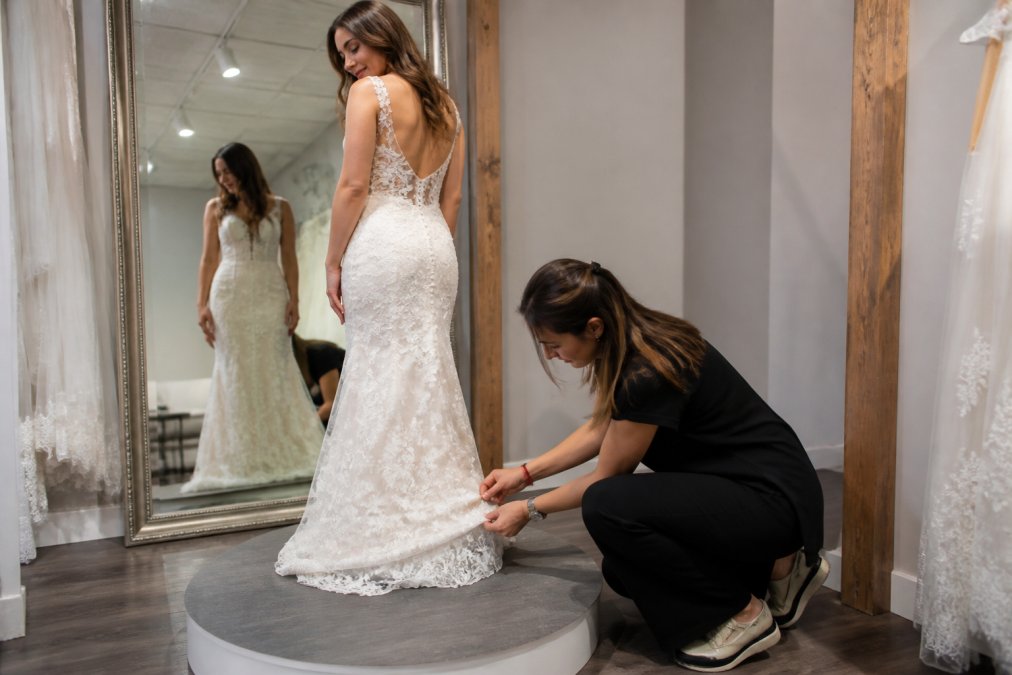
Bodice adjustments address fit in the chest, waist, and back. A loose bodice might need a take-in at side or back seams. For dresses that gap at the back, a seamstress might add a corset back, laces that allow slight fit adjustment and keep the dress in place.
Bustle addition or modification is essential for dresses with trains. A bustle allows you to lift and secure the train during the reception. A French bustle loops the train up at the sides; a pick-up bustle gathers the train at several points. Your seamstress will recommend the style that works best with your dress design.
Strap adjustments prevent slipping and ensure comfort. Straps might be taken in, moved slightly, or reinforced for support. Some brides opt to have straps added to a strapless dress.
Zipper replacement is common for dresses worn multiple times or for brides who prefer a functioning zipper for easier dressing. This delicate work requires expertise to ensure smooth function without catching fabric.
Beadwork and lace appliqué adjustments are among the most intricate alterations. If a seam needs adjustment, any beads or lace along that seam must be carefully removed, the seam adjusted, and embellishments reapplied, time-intensive work demanding precision.
Sleeve adjustments address fit in the shoulder and arm. Sleeves might be taken in or let out, shortened, or repositioned while maintaining the original silhouette.
Choosing a Professional Bridal Seamstress
Look for a seamstress with specific experience in wedding dress alterations, not general tailoring. Bridal work requires understanding of delicate fabrics, beadwork, lace, and unique formal wear construction. Ask about their experience with wedding dresses specifically and request before-and-after photos demonstrating their skill and attention to detail.
Ask about their process. A professional seamstress will conduct a thorough initial consultation, explain what alterations are needed and why, provide timeline and cost estimates, and schedule multiple fittings. They’ll communicate clearly and address your concerns.
Inquire about experience with your specific dress designer or fabric type. Check references or reviews from previous clients. Discuss rush services upfront if your timeline is tight, confirming the seamstress can accommodate faster turnaround and understanding any additional costs.
Brides who want expert wedding dress alterations with personalized attention and proven expertise in bridal work. Choose a seamstress who specializes in wedding dresses, demonstrates their work through photos, and communicates clearly about your vision and timeline.
Post-Wedding Dress Preservation and Care
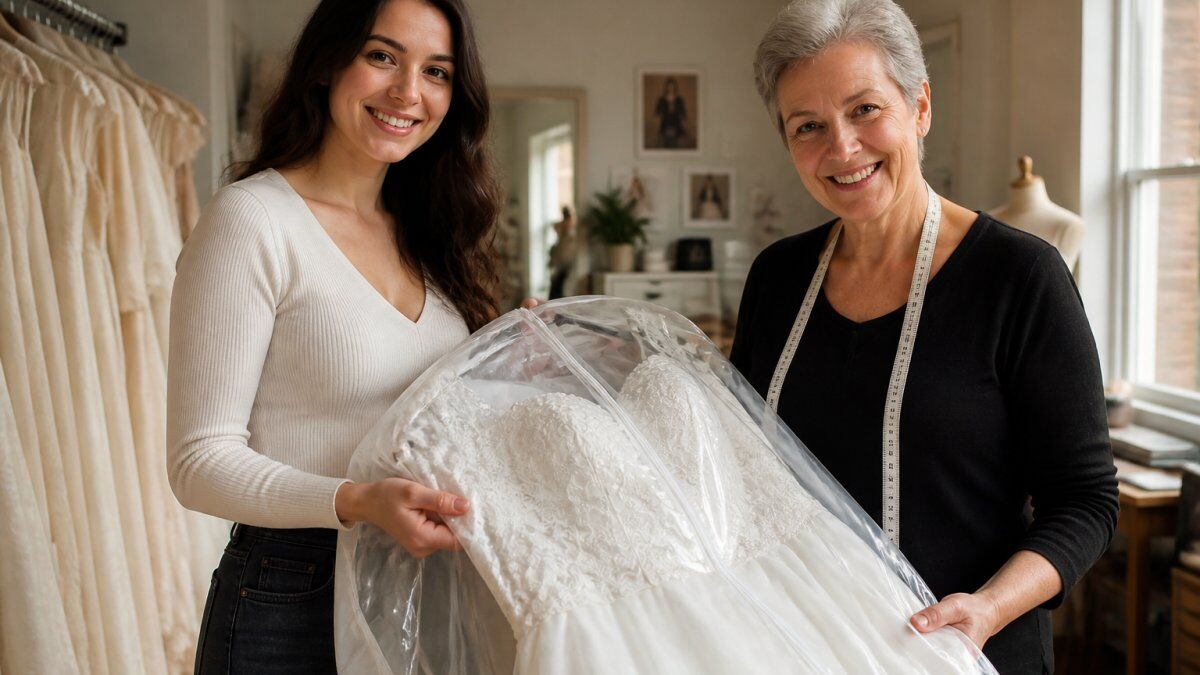
Don’t store the dress in its original garment bag or plastic dry-cleaning bag, as these trap moisture and cause yellowing or mildew. Instead, have the dress professionally cleaned by a cleaner specializing in bridal wear. They’ll remove sweat, makeup, and stains before they set permanently.
Once cleaned, store the dress in a breathable cotton garment bag in a cool, dry place away from direct sunlight. Avoid basements or attics where temperature and humidity fluctuate. A bedroom closet or under-bed storage in a climate-controlled room is ideal.
Some brides choose professional preservation services, which include specialized cleaning, wrapping in acid-free tissue, and storage in a preservation box. This option offers maximum protection for dresses with sentimental value or delicate fabrics. Periodically check your dress once or twice yearly for signs of moisture, pests, or discoloration. If you notice yellowing or staining, consult a professional cleaner immediately.
Your wedding dress represents months of anticipation and significant investment. Expert wedding dress alterations ensure it fits perfectly and feels comfortable on your most important day. The right seamstress, one with proven expertise in bridal work, attention to detail, and clear communication, makes all the difference in transforming your dress into something uniquely yours.
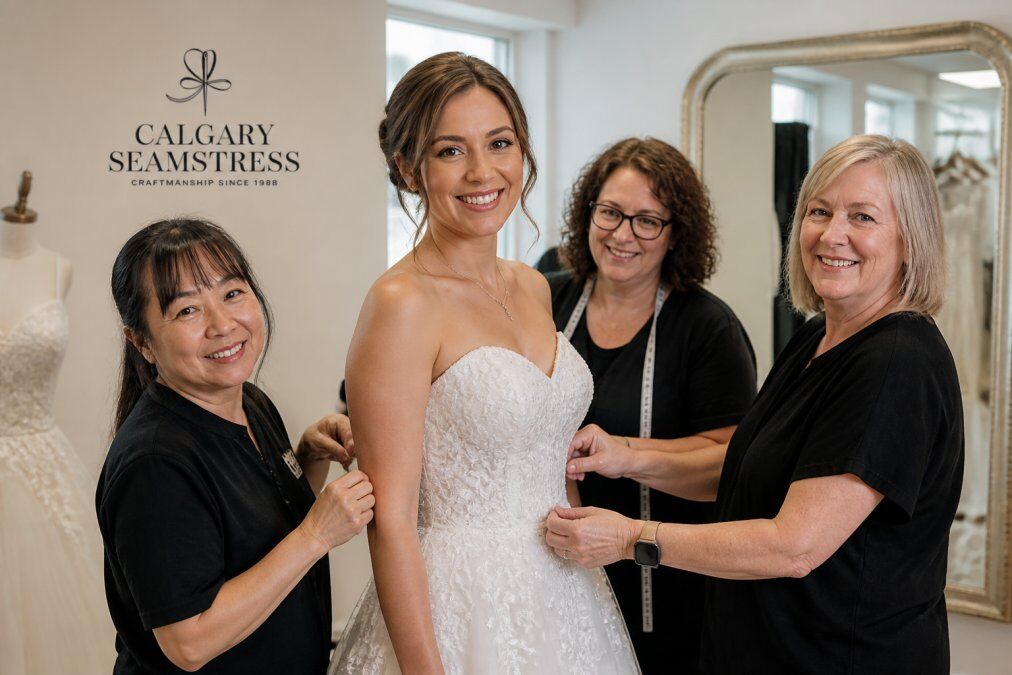
At Calgary Seamstress, the team understands what brides need: a seamstress who listens to your vision, handles your dress with meticulous care, and delivers results that exceed expectations. With experience in everything from simple hemming to complex beadwork adjustments and custom bustle design, Calgary Seamstress specializes in the kind of expert wedding dress alterations that make you feel confident and beautiful. Make an appointment online and experience the difference that professional expertise brings to your bridal experience.
Frequently Asked Questions
How much does wedding dress alteration typically cost?
The average cost of wedding dress alterations ranges from $200 to $800 depending on complexity. Simple hemming runs $75-150, while extensive work like bodice adjustments, bustle installation, and beadwork repair can reach $400-600. Rush services and custom restyling add to the final price. Get a detailed quote after your first fitting so you know exactly what to expect.
How far in advance should I book my wedding dress fitting?
Book your first fitting 3-4 months before your wedding. This allows time for multiple fittings (typically 2-3 are standard) and ensures your bridal seamstress isn't overbooked during peak wedding season. If your wedding is sooner, ask about rush services. Many professional tailors offer expedited timelines, though these may carry additional fees.
What should I bring to my first wedding dress fitting?
Bring the undergarments, shoes, and any accessories you'll wear on your wedding day. Wear your hair and makeup similar to how you'll have them styled. If you have reference photos of alterations you like, bring those too. Bring a trusted friend or family member for a second opinion. Write down any specific concerns about fit or comfort before your appointment.
What's the difference between a bridal seamstress and a general tailor?
A professional bridal seamstress specializes in formal wear and wedding gowns, understanding delicate fabrics like silk, lace, and beadwork. They're trained in complex alterations like bustle installation, lace appliqué work, and corset back adjustments. General tailors handle everyday clothing repairs. For your wedding dress, a specialist ensures meticulous craftsmanship and protects your investment.
This article was written using GrandRanker