Table of Contents
- Why School Uniform Fit Matters
- Sizing Guides and Getting the Right Fit
- School Uniform Alterations for Perfect Fit
- Pants Hemming Services and Beyond
- Best Practices for Uniform Care and Maintenance
- Budgeting and Cost-Saving Strategies
- Decoding School Dress Codes
- Sensory-Friendly and Sustainable Options
Last Updated: August 19, 2026
Why School Uniform Fit Matters
A well-fitting school uniform affects how your child moves, sits in class, and feels throughout the day. Poor fit creates distractions: hems that drag catch under feet, bunched sleeves restrict arm movement, and tight waistbands cause discomfort during eight-hour school days. When a uniform fits properly, it becomes invisible to the wearer, allowing your child to focus on learning.
Proper fit also saves money. A well-fitted uniform resists premature wear, dragging hems get stepped on, bunched cuffs fold incorrectly, and stressed seams tear faster. A properly fitted uniform lasts through the entire academic year and often transitions to younger siblings, making the investment in alterations worthwhile.
Beyond practicality, fit affects confidence. A child wearing a uniform that actually fits their body stands differently and feels less self-conscious about bunching or pooling fabric. This matters especially during vulnerable early school years when social awareness peaks.
Start with proper measurement before purchasing. Measuring first, then shopping, prevents costly mistakes and reduces the number of adjustments needed.
Sizing Guides and Getting the Right Fit
Measuring for Accuracy
Accurate measurements are the foundation of proper fit. Take measurements while your child wears the clothing they’ll typically wear under their uniform, a t-shirt and regular pants.
For pants, measure the inseam from the inside of the thigh down to the ankle bone with feet slightly apart. Measure the waist at the natural waistline while your child breathes normally; don’t pull the tape tight.
For tops, measure from the center back neck down to where you want the hem to fall (typically mid-hip). Measure across the shoulders from shoulder bone to shoulder bone. Sleeve length runs from the center back neck, across the shoulder, and down the arm to the wrist bone when the arm hangs naturally.
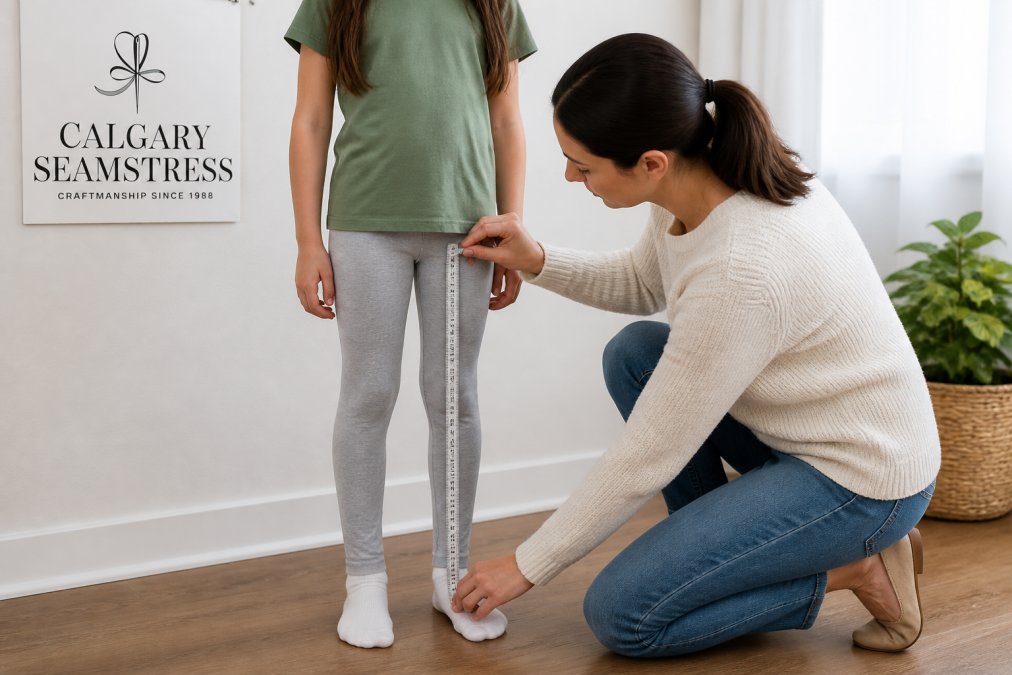
Record these measurements before shopping. Growth happens unpredictably, one child might need the same size for two years, while another grows a full size in six months.
Room for Growth
School uniforms need room to grow without becoming oversized immediately. Allow one to one-and-a-half inches of extra length in hems to accommodate growth throughout the school year. For waistbands, an extra half-inch to one inch is reasonable. Some retailers offer adjustable waistbands with tabs that can be let out, eliminating the need for alterations.
Sleeve length is trickier because it’s harder to adjust. A quarter-inch to half-inch of extra length is appropriate, sleeves that are too long bunch awkwardly and create safety issues, while sleeves too short restrict movement.
When trying on uniforms, have your child move in them: sit down, stand up, reach up, bend forward. Watch for fabric pulling, bunching, or restricting movement. A uniform that fits while standing might pull across the back when sitting.
School Uniform Alterations for Perfect Fit
Common Alterations: Hemming and Adjustments
Hemming is the most common alteration. A professional hemmer folds the fabric to the correct length so the hem sits at the top of the shoe or just touches the floor when your child stands naturally.
Waistband adjustments come next. If a uniform skirt or pants fit everywhere except the waist, a tailor can take in the side seams or adjust the waistband. This is faster and more affordable than replacing the entire garment.
Sleeve adjustments work similarly. If sleeves are too long, a tailor shortens them by folding up the hem. Shoulder seams can be adjusted inward if a uniform is too wide, though this is more complex.
Cuff adjustments extend garment life significantly. Many school uniforms have cuffs that can be let down as children grow. A tailor opens existing cuffs and adds length from fabric stored in the original hem, extending the life of the garment.
When to Seek Professional Help
Most school uniform adjustments benefit from professional work. A professional tailor has the equipment, experience, and eye for detail that ensures alterations look intentional and last.
Seek professional help for anything involving seams, zippers, or structural changes. If a uniform needs the inseam adjusted, pockets repositioned, or the waistband significantly taken in, a professional produces results that last. Home alterations on these elements often pucker, pull, or fail within weeks.
Professional tailors understand how different fabrics, cotton blends, poly-cotton mixes, and performance fabrics, respond to alterations. They know which stitching technique works best for each fabric, preventing seams from unraveling or puckering under daily wear stress.
Calgary Seamstress specializes in precise alterations that preserve the integrity of school uniforms while achieving perfect fit. Services like Jeans / Pants Alterations and Blouse / Top Alterations ensure your investment in quality uniforms translates to proper fit and durability.
Avoid adjusting waistbands yourself if the original construction uses elastic or stretch panels. Improper adjustment can create uneven tension, causing the waistband to curl or twist after a few wears. Professional tailors know how to work with these materials without compromising their function.
Pants Hemming Services and Beyond
Pants hemming should be even all the way around, with fabric folding cleanly without puckering. The hem should be invisible from the front. Professional hemming typically folds the fabric once or twice, depending on weight, then stitches it down with matching thread. For school uniforms, a standard one-inch hem is typical.
If your child needs alterations before school starts, Calgary Seamstress offers one-hour or 24-hour rush service.
Beyond hemming, professional services can adjust the inseam, the seam running up the inside of the leg. This is more complex than a standard hem because it requires opening the existing seam, adjusting it, and restitching. A professional can typically let out or take in an inseam by up to one inch without compromising the garment.
Cuff adjustments on pants extend uniform life significantly. A tailor opens the existing cuff, adds length from fabric stored in the original hem, and restitches it, an inexpensive way to add one to two inches of length without replacing the entire pair.
Best Practices for Uniform Care and Maintenance
Washing and Drying Tips
How you care for school uniforms directly affects how long they last. Most school uniform fabrics are durable poly-cotton blends designed to withstand frequent washing.
Wash school uniforms in cool water with mild detergent. Hot water fades colors and weakens fabric fibers. Separate uniforms from other clothing to prevent color bleeding. Most school uniforms benefit from a gentle or delicate cycle, which reduces stress on seams and elastic components.
Turn uniforms inside out before washing to protect the outer surface from abrasion, reduce fading, and preserve embroidered logos or details.
Dry uniforms on low heat or hang-dry whenever possible. High heat damages elastic, fades colors, and can shrink fabrics. Hang-drying preserves the garment far better. If you use a dryer, remove uniforms while slightly damp and hang them to finish drying. finding clothes that fit.
Iron school uniforms on medium heat if needed. High heat can melt synthetic fibers and damage embroidery. Use a pressing cloth between the iron and any embroidered details. Many modern school uniform fabrics are wrinkle-resistant and require minimal ironing.
Stain Removal and Durability
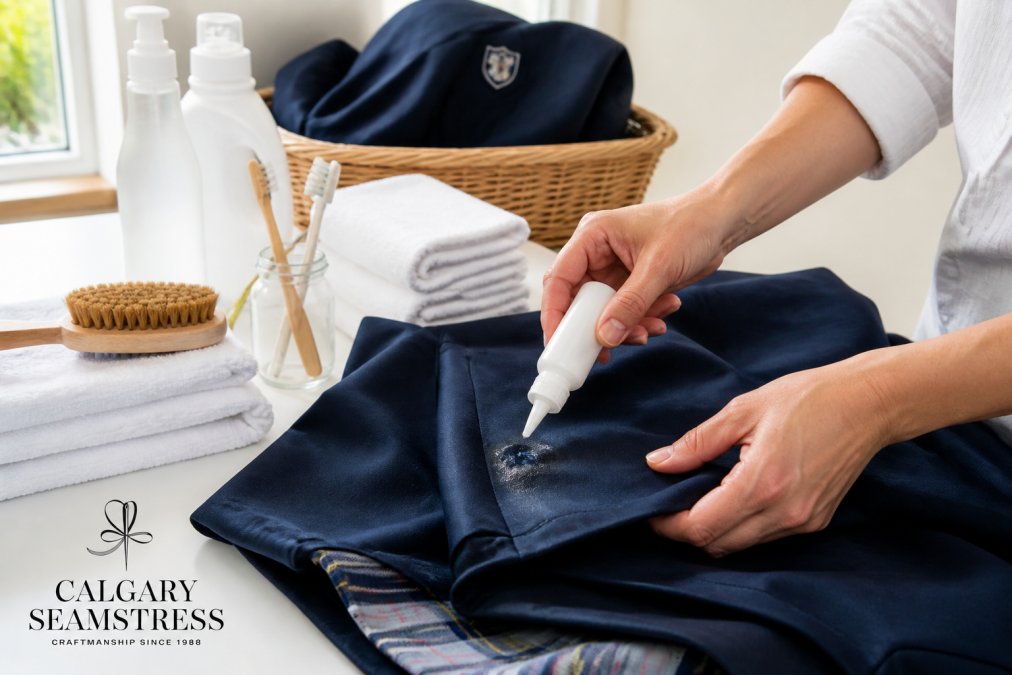
Stains on school uniforms happen, grass, food, dirt, ink. Addressing them quickly makes removal easier and prevents permanent setting. Treat stains before washing rather than after, which can set them permanently through heat.
For organic stains like grass or food, rinse with cool water first, then apply a stain treatment. Let it sit for 15 to 30 minutes before washing. For ink stains, blot rather than rub. Some ink responds to rubbing alcohol; test on an inconspicuous area first.
For stubborn stains, soak the garment in cool water with mild detergent for a few hours before washing. Avoid bleach on colored uniforms unless the fabric is white. Oxygen-based stain removers are safer for colored fabrics.
Durability depends on fabric quality and care consistency. School uniform fabrics rated for 50-plus wash cycles last through an entire school year with proper care. When shopping, look for fabrics described as durable, breathable, or wrinkle-resistant.
Store clean uniforms in a cool, dry place away from direct sunlight. If uniforms will be stored between school years, ensure they’re completely clean and dry before putting them away.
The most durable school uniform is one that’s cared for consistently. Washing in cool water, drying on low heat, and treating stains immediately extends garment life by 50% or more.
Budgeting and Cost-Saving Strategies
School uniform costs add up quickly when outfitting multiple children. A strategic approach reduces financial stress and ensures value from your investment.
Calculate total cost, not just per-item price. A school uniform typically includes pants or skirts, tops, and sometimes sweaters or blazers. A realistic budget for outfitting one child is $300 to $600, depending on school requirements and fabric quality.
Look for back-to-school sales and bulk discounts. Many retailers offer 10 to 20 percent discounts in August and early September. Some schools negotiate group discounts with uniform retailers; ask your school if this option exists.
Buy quality over quantity. Fewer well-made uniforms that last the entire year cost less than replacing cheap uniforms multiple times.
Hand-me-downs between siblings represent significant savings. A uniform that fits one child can be adjusted for a younger sibling through hemming and waistband adjustments. Professional alterations are often far less than purchasing new.
Some communities have uniform exchange programs or secondhand uniform sales. Schools sometimes organize swaps where families trade outgrown uniforms for larger sizes. Purchasing gently used uniforms and having them professionally cleaned and adjusted is often the most economical approach.
Decoding School Dress Codes
Understanding your school’s dress code prevents purchasing uniforms that don’t meet requirements. Dress codes vary significantly between schools.
Read the official dress code document thoroughly. Most schools publish detailed specifications: exact colors allowed, sleeve length requirements, whether logos or embroidery are permitted, and rules about accessories.
Ask specific questions if the dress code is vague. If it says "neutral colors," does that include grey? If it specifies "knee-length," does that mean the hem touches the knee or falls above it?
Some schools allow customization within dress code limits. If your school permits it, embroidered names or small logos personalize uniforms without violating policy.
Dress codes often include rules about footwear and accessories that aren’t technically uniforms but are part of the overall appearance standard. Review dress code changes annually, as schools sometimes update policies.
Sensory-Friendly and Sustainable Options
Not all children experience school uniforms the same way. Some children have sensory sensitivities, certain fabric textures, seams, or tags cause genuine distress that interferes with learning. Schools increasingly recognize this and allow accommodations within dress code.
Sensory-friendly uniform options include seamless or flat-seam construction, tagless labels, and softer fabric blends. Some children need uniforms without elastic, preferring adjustable waistbands instead. Talk to your school about what accommodations are possible.
Professional tailors like Calgary Seamstress can customize uniforms for sensory needs. Removing tags, adjusting seams, or modifying fit to reduce pressure points makes uniforms wearable for children with genuine sensory challenges.
Sustainable uniform options reduce environmental impact. Some retailers offer uniforms made from organic cotton, recycled polyester, or other eco-friendly materials. Hand-me-down and recycling programs extend uniform life beyond a single child or school year. When uniforms reach the end of their useful life, consider donation or textile recycling rather than disposal.
School uniform fit and care are investments in your child’s comfort, confidence, and practical school experience. Proper sizing, professional alterations, and consistent care extend uniform life and reduce replacement needs. When fit is right, children focus on learning instead of tugging at uncomfortable fabric.
Calgary Seamstress understands that school uniforms need to work hard, they’re worn daily, washed frequently, and must withstand the physical activity of childhood. Professional alterations ensure your uniform investment fits perfectly from day one, and expert care guidance helps uniforms last through the entire school year. Whether you need hemming, waistband adjustments, or custom modifications for sensory needs, proper tailoring transforms off-the-rack uniforms into garments that actually fit your child. Make an Appointment Online to discuss your school uniform needs and discover how professional alterations can ensure perfect fit and durability.
Frequently Asked Questions
How do I choose the right size for school uniforms?
Measure your child's chest, waist, inseam, and sleeve length using a soft measuring tape against bare skin or light clothing. Check the school's sizing chart carefully, as brands vary. Allow 2-5 cm of room in the waist and chest for comfort and growth, but avoid excessive slack that affects appearance. If between sizes, choose the larger option for growing children. Professional fitting services can verify measurements and recommend the best size before purchase.
Can school uniforms be altered for a better fit?
Yes, most school uniforms benefit from professional alterations. Pants can be hemmed to the correct length, waistbands adjusted for comfort, and sleeves shortened on shirts and blazers. Inseams can be reinforced for durability. School uniform alterations ensure the garment fits your child properly and extends the life of the clothing. Professional tailors assess fit issues and recommend adjustments that maintain the uniform's appearance while improving comfort and function.
What are the best practices for uniform care and maintenance?
Wash uniforms in cool water on a gentle cycle to preserve durable fabrics and prevent fading. Air-dry whenever possible, as high heat can damage elastic and synthetic blends. Treat stains immediately with cool water and mild detergent before washing. Iron on low to medium heat to maintain wrinkle-resistant finishes. Store in a cool, dry place and inspect regularly for loose seams or worn areas. Proper care extends the life of school-ready garments and keeps them looking professional throughout the year.
How often should school uniforms be replaced or adjusted?
Most children outgrow uniforms within 6-12 months, depending on growth rate and initial fit. Inspect uniforms seasonally for wear, stains, and fit issues. Inseams may need hemming as children grow taller. Reinforced knees and high-quality fabrics extend durability in areas subject to wear. Rather than replacing entire uniforms, targeted alterations and repairs, like pants hemming services, can refresh fit and add months of wear. Budget for 1-2 adjustments per school year for growing children.
This article was written using GrandRanker