Last Updated: November 10, 2026
Quick Summary
Custom painted clothing should be hand washed in cool water with a small amount of mild detergent, turned inside out, and never wrung or twisted. Dry it flat or air dry, and iron only on low with no steam over a pressing cloth. Wait for the full paint cure time before the first wash.
- Use cool or lukewarm water, never hot, when washing painted garments.
- Soak the garment for 5 to 10 minutes without rubbing or scrubbing.
- Roll the garment in a clean towel to press out water instead of wringing it.
- Avoid bleach, optical brighteners and fabric softeners, which can damage painted areas.
- Store painted pieces on padded hangers away from direct sunlight and damp spaces.
Table of Contents
- Why Custom Painted Clothing Needs Different Care
- Check the Care Label and Paint Type First
- How to Hand Wash Custom Painted Clothing Step by Step
- Drying and Ironing Without Damaging the Paint
- Preventing Paint Cracking, Peeling, and Transfer
- Storing Hand-Painted Outerwear Between Wears
- Booking Professional Care for Your Custom Piece
- Frequently Asked Questions
Why Custom Painted Clothing Needs Different Care
Custom painted clothing is treated differently from ordinary garments because the paint sits on top of the fabric, and it can crack, fade or lift if it is handled roughly. For more background, read how to care for custom tailored garments so they last.
Most of the damage comes from three habits: scrubbing the painted area, wringing the garment out, and drying it in a hot dryer. Each one stresses the paint film and the fibres underneath it. A few careful changes to your routine prevent most problems.
Good care starts with understanding what is on the garment. Paint on fabric durability depends on how it was applied and cured. Ask the painter what they used if you can, and keep any care notes they gave you. Knowing how the paint was applied and cured also helps distinguish its care needs from those of a screen printed tee guide.
- Hand-painted designs often have less flexibility than the fabric beneath them
- Heat and friction are the two biggest threats to painted areas
- Gentle handling protects both the colour and the garment’s shape
Check the Care Label and Paint Type First
Before you wash anything, read the garment care label and find out what paint was used. The label tells you the fabric content and the maximum water temperature. The paint type tells you how careful you need to be.
Look for these details:
- Fabric content: Cotton, denim and wool each respond differently to water and heat.
- Paint type: Fabric paints, acrylic-based textile mediums and dimensional paints do not behave the same way.
- Cure time: Many fabric paints need several days to a few weeks to fully set. Washing too early can lift the design.
If the label says “dry clean only,” follow it.
How to Hand Wash Custom Painted Clothing Step by Step
Hand washing gives you the most control. Follow these steps for a safe wash at home.
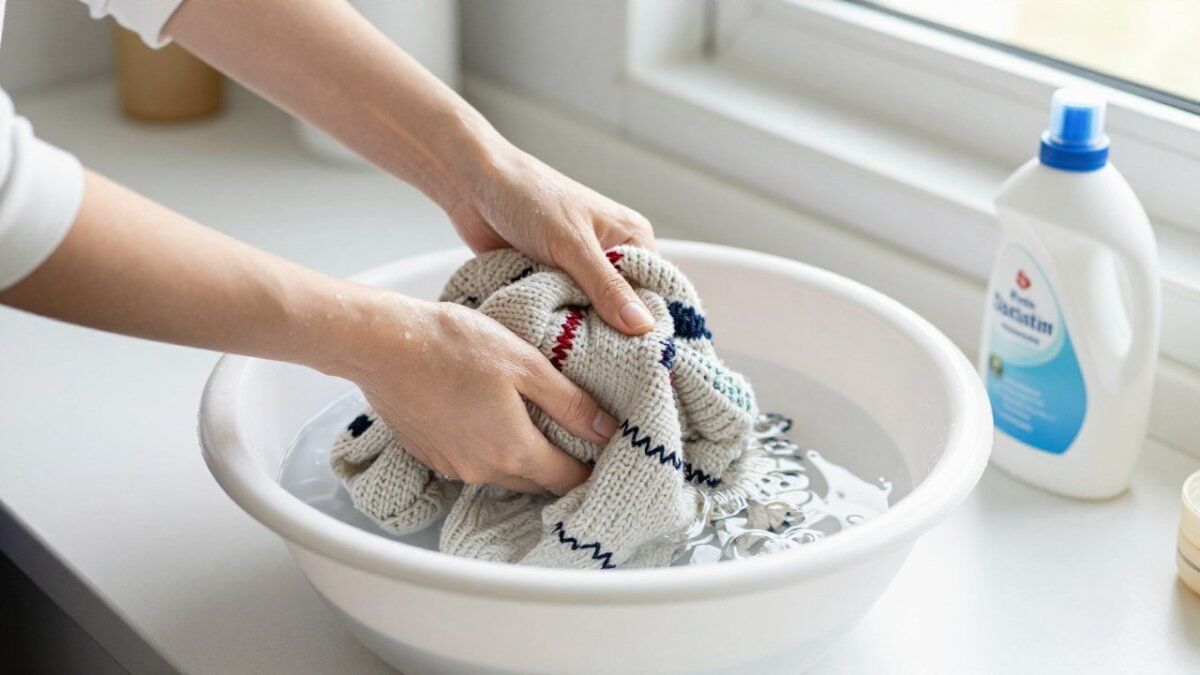
- Fill a basin with cool water. Use cold or lukewarm water, never hot.
- Add a small amount of mild detergent. Swirl it to dissolve before adding the garment.
- Turn the garment inside out. This protects the painted surface from direct contact.
- Submerge gently. Press the garment down without rubbing or scrubbing.
- Soak for 5 to 10 minutes. Let the water loosen dirt on its own.
- Lift the garment out. Support its weight so the paint does not stretch.
- Rinse in cool water. Repeat until the water runs clear and no soap remains.
- Press out extra water. Roll the garment in a clean towel and press gently. Never wring or twist.
Spot cleaning works well for small marks. Dab the area with a damp cloth and a drop of mild detergent. Blot, do not rub, and rinse the spot with clean water.
Choosing a Mild, Fabric-Safe Detergent
- Avoid products with bleach or optical brighteners
- Skip fabric softeners, which can leave a residue on painted areas
- Test any new product on a hidden seam first
The steps below summarise the hand-wash routine, with the timing and handling notes the article gives for each stage.
| Step | What to do | Time or frequency |
|---|---|---|
| Fill basin | Use cool or lukewarm water, never hot | Before adding garment |
| Add detergent | Use a small amount of mild detergent | Swirl to dissolve |
| Turn inside out | Protects painted surface | Before submerging |
| Soak | Press down gently without rubbing | 5 to 10 minutes |
| Lift out | Support the garment’s weight | As soon as soak ends |
| Rinse | Use cool water until clear, no soap left | Repeat as needed |
| Press out water | Roll in a towel, never wring or twist | Gentle pressing |
Drying and Ironing Without Damaging the Paint
Drying is where many painted garments get ruined. Heat and tension are the enemies here.
- Turn it inside out
- Set the iron to low with no steam
- Place a pressing cloth over the painted area
- Press lightly and do not slide the iron across the paint
Preventing Paint Cracking, Peeling, and Transfer
To reduce these problems:
- Wait for the full cure time before the first wash. Fabric paints commonly need several days to a few weeks, and the painter’s notes are the best guide.
- Wash the garment separately for the first several washes, and keep it away from zippers, velcro and rough denim during the wash.
- Avoid folding the painted area sharply. Fold along seams where possible, and store painted panels loosely rather than compressed.
- Dry the garment fully before wearing or storing it, since trapped moisture encourages mildew and makes paint stick to adjacent fabric.
What to Do When Paint Starts to Crack or Peel
A few practical steps help while you decide on a repair:
- Keep the piece flat and dry, and avoid washing it again until the damage has been assessed.
- Check whether the lifted area is clean. Dirt under the film can prevent proper adhesion, so remove loose debris with a dry soft brush rather than water.
- Ask the painter whether a touch-up is possible. Many custom artists keep the original paint colours and can match a patch, but this depends on what medium was used.
- If the painter is unavailable, a fabric or textile repair specialist can advise, though results on painted surfaces vary and some pieces are best left to the original artist.
Storing Hand-Painted Outerwear Between Wears
- Hang heavy outerwear on a padded hanger to keep its shoulders shaped
- Keep painted items out of direct sunlight, which fades colour over time
- Store in a cool, dry closet away from damp basements
- Avoid sealed plastic bags, which can trap moisture against the paint
- Use breathable cotton garment bags if you need dust protection
Booking Professional Care for Your Custom Piece
Some pieces are too valuable or delicate to clean at home, and a professional can handle repairs that are beyond a DIY fix. If your piece is painted denim, you can see what we offer for painted jeans to check whether it is a good fit. Jeans / Pants Alterations and Jacket and Blouse Alterations can help keep a custom piece fitting well.
Pricing depends on the garment, the work needed and your timeline, so contact us or visit our website for a current quote. You can also browse specialty and custom projects to see the full range of services. For hand-painted patches and custom embellishments, you can browse our options for painted fabric work. When you are ready, you can make an appointment online.
Frequently Asked Questions
Can you machine wash custom painted clothing?
Machine washing is risky for most custom painted clothing. Friction, agitation and spin cycles can crack or lift the paint, especially on heavy designs. If you must machine wash, use a gentle or delicate cycle in cold water, turn the garment inside out, place it in a mesh bag, and skip the spin. Hand washing remains the safer choice, and it is the method most garment care labels and painters recommend for fabric paint work.
What is the best way to dry hand-painted garments?
Dry hand-painted garments flat on a clean towel, away from direct sunlight and heat sources. Gently press out excess water with the towel rather than wringing or twisting, which stresses the paint and distorts the fabric. Reshape the piece while damp, and avoid tumble drying, since heat can set in creases or soften the paint layer. Allow full drying time before wearing or storing.
Should I use fabric softener on painted clothing?
Skip fabric softener on custom painted clothing. Softeners leave a coating on fibres that can reduce paint adhesion and cause the design to feel slick or transfer onto other fabrics. A mild, fragrance-free detergent in cool water cleans effectively without residue. If a garment feels stiff after drying, let it air dry fully and gently work the fabric by hand instead.
Does professional dry cleaning damage custom painted designs?
Dry cleaning can damage some paints, particularly water-based or thin fabric paints, because the solvents and heat in the process may soften or lift the design. Before taking a painted garment to a cleaner, check the care label and ask the painter what they recommend. Tell the cleaner exactly what the piece is so they can choose a gentler method or decline the item if the risk is too high.