Last Updated: November 18, 2026
Quick Summary
Sustainable back to school fashion is worth it because the cheapest, greenest wins come before you buy anything: audit what your student owns, repair and alter what still fits, and shop secondhand. Fixing a zipper or hem keeps clothes out of the landfill and saves money.
- Sort every item into keep, repair, or donate piles; a clothing inventory takes about an hour per child.
- Wash sweaters inside out in cold water, skip the dryer, and lay knits flat to dry.
- Check underarm seams, crotch seams, zippers, and buttons before buying secondhand clothes.
- A fall capsule needs 5 tops, 3 bottoms, 2 layers, 1 jacket, and 1 pair of shoes.
- Build three layers, a base, a mid layer, and a shell, instead of one heavy coat.
Table of Contents
- Start With a Wardrobe Audit Before You Buy Anything
- How to Make Clothes Last Longer Through Better Care
- Clothing Repair and Alterations Beat Replacement Every Time
- Secondhand School Clothes: Where to Shop in Calgary
- Build a Back-to-School Capsule Wardrobe for Fall
- Choose Fabrics and Jackets That Survive a Calgary Winter
- Book Your Fall Alterations Before the First Cold Snap
- Frequently Asked Questions
Start With a Wardrobe Audit Before You Buy Anything
Sustainable back to school fashion tips start in your own closet, not a store. Before you spend a dollar, pull every piece your student already owns onto the bed and look at it honestly.
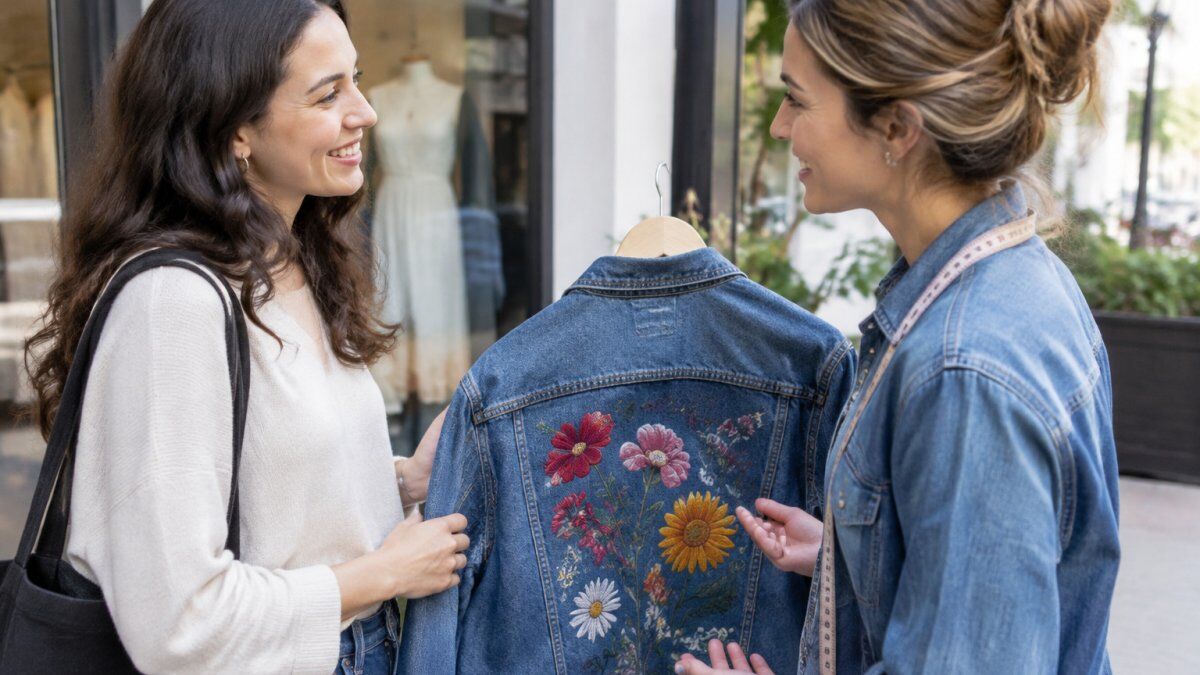
A proper wardrobe audit helps families see what still fits before buying new fall clothes.
The goal is simple: know what you have, so you only buy what you truly need.
The Three-Pile Method: Keep, Repair, Donate
Sort every item into one of three piles. This clothing inventory takes about an hour per child and saves far more time than it costs.
- Keep: fits now, in good shape, suits the season
- Repair: good quality but needs a fix, like a hem, zipper, or seam
- Donate: outgrown, worn out, or never worn
Be honest about the repair pile. A jacket with a broken zipper is not garbage. It is a quick fix away from another full winter.
If your back-to-school pants need hemming, back-to-school pants that need a hem covers the fix in detail.
How to Make Clothes Last Longer Through Better Care
Learning how to make clothes last longer is the cheapest sustainability move there is. Better care adds seasons to a garment’s life without buying anything new.
Fall knits and jackets take the hardest wear. A few habits keep them looking sharp through Calgary’s long cold stretch.
Washing, Drying, and Storing Fall Knits
- Wash sweaters inside out in cold water
- Skip the dryer; lay knits flat to dry
- Fold knits instead of hanging them, so shoulders do not stretch
- Store clean items with cedar to keep moths away
- Air jackets between wears instead of washing after each one
Cold water and air drying protect natural fibers from shrinking and pilling. Your sweaters stay soft and hold their shape for years.
Clothing Repair and Alterations Beat Replacement Every Time
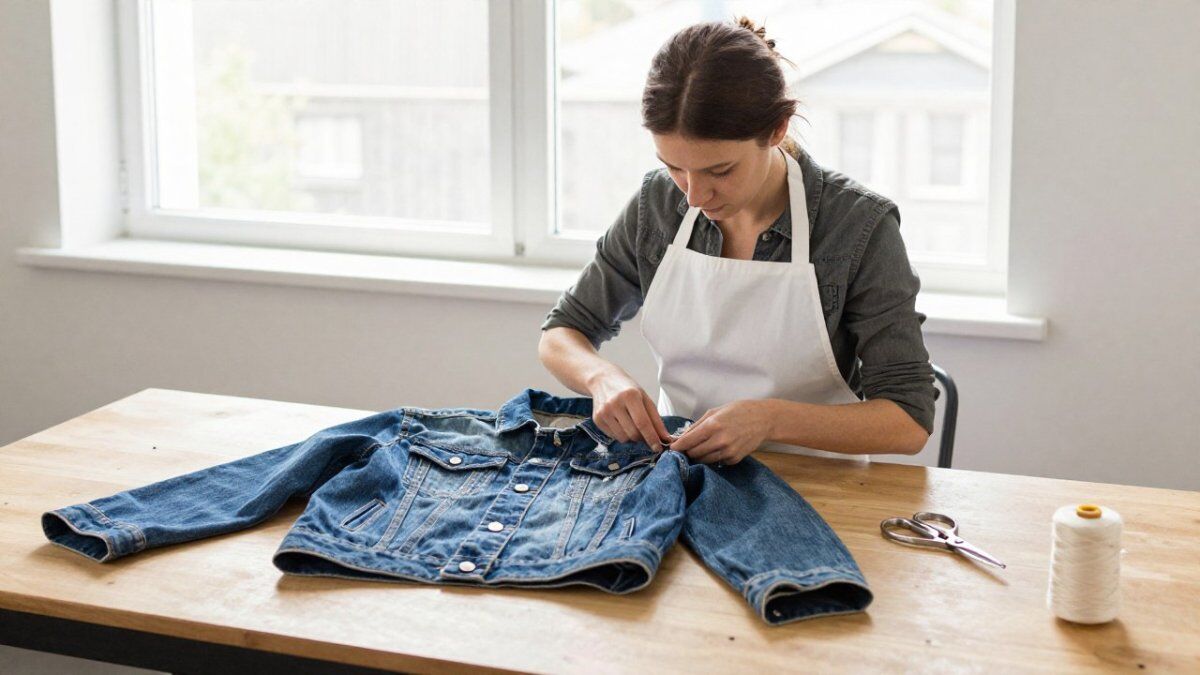
Clothing repair and alterations is the single most powerful sustainable fashion habit a family can build. Fixing a garment keeps it out of the landfill and saves money at the same time.
Most “worn out” school clothes are not worn out at all. They need a hem, a new zipper, or a patched knee.
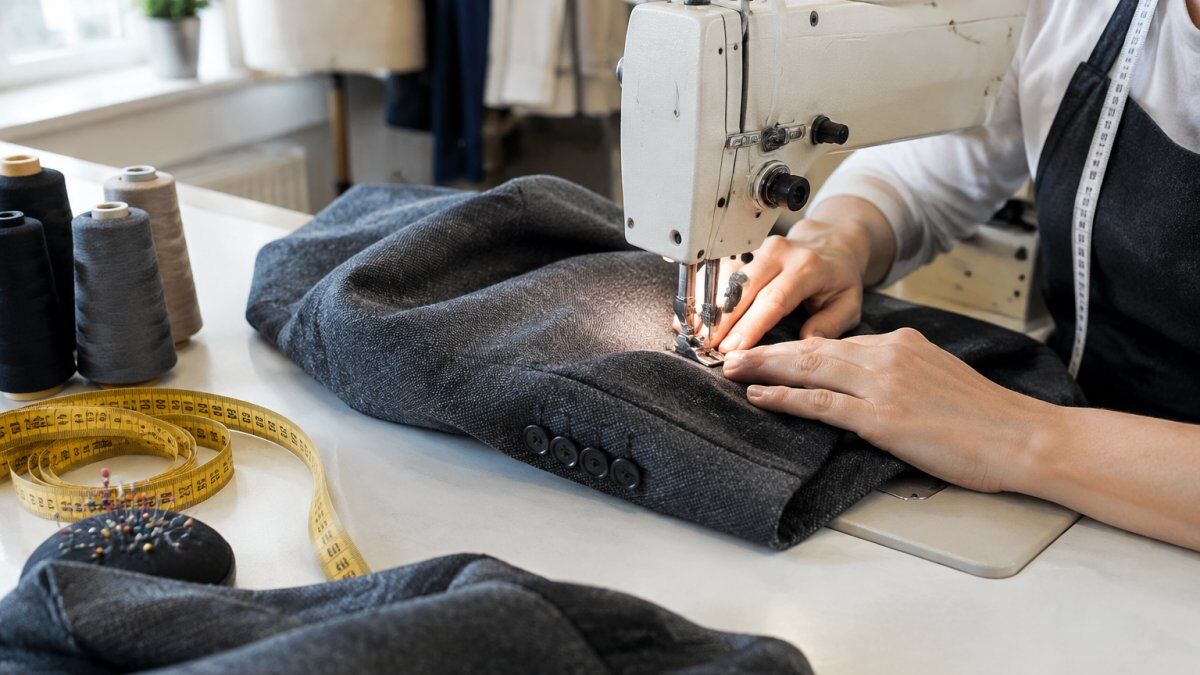
Common repairs include:
- Zipper replacements on jackets and jeans
- Hemming pants that are too long
A common mistake is tossing a garment over one small flaw. Check the repair cost against a replacement before you decide. For a side-by-side look at the numbers, see tailoring versus buying new clothes in Calgary.
For parents who want a full walkthrough, our guide on how to repair school uniforms in Calgary breaks the process into simple steps.
Secondhand School Clothes: Where to Shop in Calgary
Secondhand school clothes stretch a budget and cut textile waste at the same time. Calgary has plenty of options if you know where to look, and the difference between a good and bad thrift trip is preparation.
Thrift shopping works best with a plan. Bring a list, check seams and zippers before buying, and skip anything that needs a repair you cannot do. Try items on when the store allows it; sizing varies by brand and decade, and a tag that says one size may fit like another.
Where to Look in Calgary
Calgary’s secondhand scene splits into a few practical categories. Verify hours and donation policies before you go, since they change seasonally.
- Charity thrift stores along Macleod Trail and in the southeast, plus Value Village locations across the city, carry the widest volume of kids’ and teen clothing. Expect to dig; the best finds are rarely on the front rack.
- Consignment shops screen quality before resale, so prices are higher but the sorting work is done for you. They are strongest for jackets, sweaters, and dressier pieces.
- Community clothing swaps at schools, community halls, and neighborhood associations can keep good garments in use.
- Hand-me-downs from older siblings, cousins, and neighbors remain the cheapest option and the easiest to overlook.
What to Check Before You Buy Secondhand
A few inspection habits separate a lasting find from a regret:
- Check underarm seams and crotch seams on pants, where wear shows first
- Test every zipper and button before you leave the store
- Look for pilling on sweaters, which signals fiber breakdown
- Smell for smoke or mildew; some odors never wash out
- Confirm the return policy, since many thrift stores sell final sale
Watch out: a low price on a jacket with a broken zipper is not a bargain if the repair costs more than the jacket is worth. Compare the repair against the replacement before you commit.
Hand-me-downs can keep good garments in use. If you want more options beyond the thrift rack, alternatives to buying new jeans has ideas for stretching the denim budget.
Build a Back-to-School Capsule Wardrobe for Fall
A back-to-school capsule wardrobe is a small set of pieces that all mix and match. It cuts morning decision fatigue and stops impulse buys.
The formula is simple: fewer pieces, more combinations.
A workable fall capsule for most students:
| Category | Pieces | Why It Works |
|---|---|---|
| Tops | 5 versatile basics | Mix with any bottom |
| Bottoms | 3 pairs | Jeans, pants, one skirt or short |
| Layers | 2 sweaters or hoodies | Handles cool mornings |
| Outerwear | 1 jacket | Calgary weather ready |
| Shoes | 1 pair | Durable, everyday wear |
Stick to a tight color palette so everything pairs. Neutral tones plus one or two accent colors give you dozens of outfits from a small wardrobe.
Pieces in a Fall Capsule Wardrobe
Choose Fabrics and Jackets That Survive a Calgary Winter
Calgary weather swings hard, and school clothes need to keep up. A fall morning can start near freezing, warm up by afternoon, and drop again before pickup. Layering is not optional here; it is survival, and the right layers let a student buy fewer pieces that each do more work.
Build Layers, Not a Single Heavy Coat
The practical Calgary formula is three layers: a base layer that manages moisture, a mid layer that traps warmth, and a shell that blocks wind and light snow. A student who owns one good shell plus two sweaters can handle most of September through November better than one bulky coat that is too warm by noon. Choosing layers that can be worn across seasons makes each piece work harder, and is slow fashion worth it becomes a useful question when building a wardrobe around lasting versatility.
- Base layer: cotton or a cotton-blend tee for everyday wear; bamboo or a light wool blend for colder days
- Mid layer: wool or wool-blend sweaters, which breathe and stay warm even when damp
- Shell: a wind-resistant jacket with room for a sweater underneath, ideally with a hood and sealed seams
Look for these natural fibers:
- Wool and wool blends for warmth that breathes
- Cotton for everyday tops and pants
- Linen and hemp for breathable layers in early fall
- Bamboo fabric for soft, light base layers
Check brand information before buying to understand the materials used.
Match the Jacket to the Weather, Not the Trend
One jacket that handles wind and light snow beats three flimsy ones. Choose a durable shell with room for a sweater underneath, and check the zipper and seam quality before you buy, since those are the first failures. For deep cold, a removable liner extends the jacket’s useful range into winter.
Watch out: a jacket sized to fit only a t-shirt may not work once sweater season arrives. Size for the mid layer you plan to wear underneath.
Care That Keeps Layers Alive
Fabric choice only pays off with the right care. Wash wool sparingly and in cold water, lay knits flat to dry, and air jackets between wears instead of washing after each one. Store clean items with cedar to deter moths. These habits add seasons to a garment’s life and are the cheapest sustainability move available.
For a season-by-season plan, our guide on preparing school clothes for winter in Calgary walks parents through the cold-weather switch.
Book Your Fall Alterations Before the First Cold Snap
The best sustainable back to school fashion tips all lead to one action: fix what you own before you buy. Book your fall alterations early, before the first cold snap hits and the shop fills up.
At Calgary Seamstress, we handle zippers, cuffs, and original jean hems through our Jeans / Pants Alterations, plus Blouse / Top Alterations when a favorite shirt needs a cleaner fit. We also offer a one-hour or 24-hour rush service when timing matters, and you can book an appointment online.
Set clear expectations when you order and plan for a fitting, since getting the fit right is what makes a garment shine.
Calgary families do not need to spend a fortune to dress students well for fall. Repair what you own, shop secondhand, build a tight capsule, and choose fabrics that last. Then let a skilled tailor handle the fit. Get started with Calgary Seamstress and give your student a fall wardrobe that fits flawlessly and lasts for seasons.
Frequently Asked Questions
How can I make back-to-school clothes more sustainable without spending a lot?
Start with what you already own. A wardrobe audit shows which fall jackets and sweaters still fit and which just need a small repair. Hemming a too-long pair of pants or replacing a broken zipper costs far less than buying new, and it keeps wearable fabric out of the landfill. Calgary Seamstress offers jeans and pants alterations and a one-hour or 24-hour rush service.
Is buying secondhand school clothes actually a sustainable choice?
Yes. Secondhand school clothes extend the life of garments that already exist, which reduces demand for new production and keeps textiles out of landfill. Thrift stores, consignment shops, and clothing swaps around Calgary carry plenty of fall jackets and sweaters in good condition. Check seams, zippers, and lining before you buy, and budget for a small alteration if the fit is close but not perfect.
How do I repair or alter clothes instead of replacing them?
Sort your garments into keep, repair, and donate piles first. Common fixes include hemming pants, taking in a waist, replacing a zipper, and mending a torn lining. A tailor can also shorten jacket sleeves or adjust a blouse so it fits properly. At Calgary Seamstress, fitting is sometimes mandatory so the finished garment sits the way it should.
How can I help school clothes last longer through the fall and winter?
Wash sweaters and jackets less often, use cold water, and lay knits flat to dry instead of hanging them. Store clean fall pieces folded rather than crammed on a hanger, and fix small issues like a loose button before they become tears. Rotating a back-to-school capsule wardrobe of versatile basics also spreads the wear, so each jacket and sweater gets fewer hard days.